
the Creative Commons Attribution 4.0 License.
the Creative Commons Attribution 4.0 License.
 | 24 Mar 2026
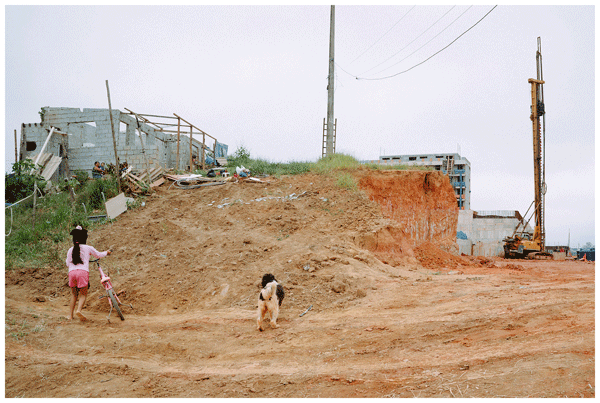
Grounded relationalities, the socio-ecological (de/re)territorialization of São Paulo's urban marginalities
Lucas Lerchs
This paper explores how marginal urbanities are produced, contested, and dismantled through grounded processes of territorialization, deterritorialization, and reterritorialization. While Latin American urban studies have extensively analysed structural territorial struggles, the lived everyday processes through which low-income individuals are (re)appropriating, defending, and losing territory remain poorly understood.
Retracing the history of Terra de Deus, a self-built marginal urban settlement located within São Paulo's ecological peripheries, this study draws on Latin American traditions of situated oral history to re-centre residents' testimonies and expose what is at stake under lived (de/re)territorialization struggles.
Based on 3 years of fieldwork (2022–2024) – including community workshops, in-depth interviews, and participatory cartography – this paper introduces the concept of grounded relationalities as the fragile socio-ecological relations emerging and conditioning the (de/re)territorialization process. This study exposes how grounded relationalities represent the emerging terrain on which marginalized communities dispute territorial appropriation and longevity.
- Article
(15446 KB) - Full-text XML
- BibTeX
- EndNote


We don't want land, we want territory' (Bolivian peasant, Porto-Gonçalves, 2006a).
São Paulo, Latin America's largest metropolis (UN-Habitat, 2017), expands not only through formal development but also through the everyday practices of millions of low-income residents self-building marginalized settlements. While these peripheries host the workforce essential to the functioning of the megalopolis, they remain subject to structural precarity. As frontier zones of speculative land markets, marginal urbanities become tense fronts of struggles over territorial control and appropriation, defining various degrees of included–excluded, marginal–central agents. For low-income groups, self-building and inhabiting marginal urbanities represent one of their primary means of accessing the urban life and conditions.
In the last few decades, the intense production of marginal urbanities has expanded in the southern peripheries, particularly in highly protected areas, such as the Billings watershed and the UNESCO Biosphere Atlantic Reserve. Stricter environmental regulations and climate pressures have intensified urban tensions. While the poorest population inhabits the ecological peripheries, their presence has led to further exposure to “natural disasters” and has advanced their marginalization as ecological arguments are deployed by the state to legitimize eviction. As a result, the production and defence of marginal urbanities has become a socio-ecological struggle (Martins, 2005; Denaldi and Ferrara, 2018; Lerchs et al., 2024).
While Brazilian urban studies have extensively denounced structural oppression and the resistance of organized movements in territorial struggles (Fernandes, 2000; Wolford, 2013), often indigenous or landless, the everyday processes of appropriating, defending, losing, and re-appropriating territory in newly self-built marginal urbanities remain poorly understood. The term territory is used in different ways across Latin American geography, political ecology, and urban studies. In this article, I explore some of these multiple understandings by following how these meanings are mobilized and contested in practice and on the ground. In my own analysis, I use the term not as a fixed spatial container but rather as a provisionally stabilized socio-ecological configuration that emerges through inhabitation, material transformation, and symbolic attachment.
The process and struggles of appropriating territory in the realization of political aims have been conceptualized in Brazilian geography through the triad of territorialization, deterritorialization, and reterritorialization (TDR) (see Halvorsen et al, 2019). Yet, while existing studies highlight such processes, a remaining lack of attention on how the ground-level struggles over processes of (de/re)territorialization 1 still obscures what is truly at stake for low-income individuals in their daily struggles to gain territorial longevity and to gain access to the city.
The struggles over territory resonate with longstanding debates on self-building and urban marginality in Latin America. Since the 1960s, Latin American housing scholarship has debated the emancipatory potential and structural limits of self-building practices (Turner, 1963; Harms, 1976; Ward, 1982), oscillating between agency-centred and structural critiques.
From the 1990s onward, Brazilian scholars have begun to examine more deeply how such structural forms of urban exclusion have shaped access to land and infrastructure and the fundamental rights of low-income populations.
Specifically in São Paulo, Raquel Rolnik's early concept of “territorial exclusion” (Rolnik, 1999) builds on the idea of “social exclusion” (Sposati, 1996) as the denial of rights guaranteeing a minimum standard of living or depriving a population of social or professional opportunities (Castel, 1995; Paugam et al., 1996; Rolnik, 1999). In Rolnik's understanding, “exclusion” encompasses social rights and material factors and addresses exclusion from goods, services, safety, justice, representation, and citizenship. Rolnik argues that territorial exclusion entails a form of spatial discrimination, characterized by the deprivation of access to urban life and its opportunities, as well as the degradation of space quality (Rolnik, 1999).
This argument is consolidated further by Kowarick's (1997) work on “urban spoilation” (Espoliação Urbana), where the urban sociologist denounces how peripheral settlements are not outcomes of exclusion alone but components of capital accumulation. Through studying the structural, continuous processes of urban exploitation, Kowarick illustrates how self-construction (auto-construção) functions as a “spatial fix” that reduces the cost of labour reproduction, allowing for capital to externalize housing and social costs to the workers. For him, the favelas become part of a “formula that reproduces workforce” as mechanisms of the powerful to maintain a logic of exploitation, where the state actively plays a key role in channelling public investment to help exploitative companies to the detriment of worker groups (Kowarick, 1997). Kowarick effectively frames the interrelated dynamics through which capital produces and relies upon marginal urbanities through processes of urban dispossession, exploitation, and extortion or, in his words, through “urban spoilation” (Kowarick, 1997).
In the face of the continuous expansion of urban exclusion and spoliation, Teresa Caldeira contributes to the discussion by exposing the scale of structural oppression faced by the peripheral population, developing the concept of peripheral urbanization. For Caldeira, the precarious and unequal expansion of São Paulo is not a deviation from the norm but a dominant mode of urban production in Brazil, shaped by legal ambiguity, everyday negotiation, and informal legitimacy rather than a chaotic or unplanned aberration (Caldeira, 1996, 2017).
While these earlier studies have importantly denounced the oppressive systems in São Paulo, Brazilian studies from urban geographers have developed an interest in conceptualizing how marginalized groups or social movements have not only been oppressed by but also struggled and resisted through the territory (Fernandes, 2005; Halvorsen et al., 2019). The urban geographers examine how “socioterritorial movements” appropriate space to advance collective political projects through territorialization, deterritorialization, and reterritorialization processes. By doing so, they discuss how certain oppressed groups have appropriate space to define or build a collective political project taking on both material and immaterial forms (Fernandes, 2000; Halvorsen et al., 2019).
Yet, despite these valuable conceptual advances, which emerged from the need to understand much larger structural marginalizing logics and potential territorial resistance practices, the cited studies produced analytical work at a distance from the ground-lived experiences of the marginalized groups. Thus, the lived process of building, defending, or losing territory remains underexplored and obscures a better understanding of how such processes can be mobilized to either reinforce marginalization or re-centre the marginalized.
To contribute to this gap, I discuss the fragile socio-ecological relations that emerge through everyday inhabitation and that become both the terrain and the stake of territorial struggles. These relations are not simply expressions of territorialization and are not fully consolidated forms of belonging but rather are emergent and unstable relations that precede formal recognition and collective political articulation. I refer to these as grounded relationalities – a concept that this article develops as central to understanding how marginal urbanities emerge and are consolidated and dismantled on the ground.
By retracing the lived history of Terra de Deus – a self-built settlement in a floodplain of the southern peripheries – this study aims to explore how a recently self-built marginal urbanity is produced and dismantled through overlapping processes of territorialization, deterritorialization, and reterritorialization, aiming to reveal what is at stake in these lived territorial struggles.
This research adopts a collaborative approach rooted in Latin American oral history and counter-memory (Meihy, 2010, 1996; Jelin, 2022; Evaristo, 2006, 2020) in foregrounding the voices and lived experiences of residents to give nuance to or extend dominant conceptual frameworks.
The co-production of empirical material occurred during several in-depth fieldworks in the Comunidade Terra de Deus (2022, 2023, 2024). While the first fieldwork served to build contact with the community and document through on-site photography and drone footage, the second fieldwork was key as it allowed for the organization of a workshop, “Memórias de Comunidade” (MDC), in February 2023 in co-production with 15 ex-inhabitants of diverse gender and age. Participants were mostly Afro-descendant and all economically from the lower-income class of São Paulo. The workshop took place in a church beside the ex-Comunidade Terra de Deus while it was, at the time, already undergoing the eviction process. Ex-leaders mobilized the inhabitants to collectively meet, and the workshop was developed using chronological satellite images of Terra de Deus' area as visual prompts to stimulate memory and facilitate spatial narration. The ex-residents were invited to share their histories orally or by directly annotating or drawing them onto the aerial images. Rather than fixed accounts, the process fostered dialogic memory construction where participants added to each other's previously untold stories, and the rare disagreements were clarified through further discussion. The outcome was the co-production of the timeline of the historical transformation of Terra de Deus.
Methodologically, this co-production of empirical material aligns with Latin American scholarship on re-centring collective oral history, such as in the work of Elizabeth Jelin in post-dictatorship Argentina, where she uses the act of remembering as an act of resistance, allowing marginalized communities to construct and transmit counter-histories under conditions of invisibility (Jelin, 2022). Brazilian scholarship also aligns with such a re-visibilization posture, such as José Meihy's concept of transcriação, the creative reconfiguration of oral testimony into “living texts”, and reconstructs narratives in ways that retain the affective intensity and political urgency from historically silenced agents (Meihy, 1991, 1996, 2010). Similarly, there is Conceição Evaristo's notion of escrevivência (Evaristo, 2006), which combines the term escrita (writing) and experiência vivida (lived experience) to represent the need to reclaim a counter-memory and the voice historically denied and marginalized. For her, the rupture with the colonial discourse is collective and not individual as the author claims, “writing is not about writing about oneself, because this is limited to the individual. It carries the experience of the community” (Herminio, 2022).
This study on the Comunidade of Terra de Deus aligns with such approaches through collectively registering the history of Terra de Deus's territorialization, deterritorialization, and reterritorialization processes, striving to transcribe the lived struggles, combined with cartographical drawings of the evolution of the community, and to re-centre historically marginal voices. In this light, the deliberate departure from a more conventional paper structure prioritizes the lived narratives, using their testimonies as the central framework for analysis and allowing their collective recollections to guide the paper's analytical path. While the inhabitants' knowledge guides the narrative to counter their invisibilization, the various testimonies of the inhabitants will be kept anonymous – under the labels “ex-inhabitant” or “MDC” (Memorias de Comunidade workshop) – to maintain confidentiality. All of the quotes were translated from Portuguese by the author.
São Paulo's history of occupying floodplains stems from longstanding patterns of socio-spatial exclusion. Already in the early 20th century, poor populations were pushed to settle in flood-prone and forested lowlands that remained affordable due to their risk exposure (Kogan, 2013). These areas, later turned into ecological reserves, became paradoxical “refuges” for the marginalized, generating conflict between legal environmental and social protection (Martins, 2005), and, today, are home to 2.2 million marginalized individuals (WorldBank, 2007).
In April 2019, the first household of Terra de Deus was built in the forested floodplain. At the site, the presence of a river, water sources, lower topography, and abundant vegetation shielding it from main roadways offered beneficial conditions to establish a community (MDC, 2023).
Families arriving in Terra de Deus sought to “exit the rent” (sair do aluguel) after years of using meagre savings to survive in precarious rentals; securing an affordable plot and materials represented a key strategy to save “money that does not come back” (interview with ex-inhabitant, 2024). One ex-inhabitant recalls the collective support:
For us, it was a dream come true to move out of our rented home. Many people came to help us build it, which was wonderful. It was something we never expected to happen. (Interview with ex-inhabitant, 2024)
On the freshly occupied forest land, each family started “cleaning” a piece of land, usually the same 5 m×25 m plots, by cutting down the vegetation until the red clay soil appeared. In this preliminary stage, the families dig a septic pit around 3–5 m deep in the soil. If a tree was present on their plot, the family usually cut it to ground height or extracted it and re-levelled their terrain topography with construction debris (entulho).
While all of these individual self-building practices (auto-construção) were occurring, the families began to engage with one another. Self-construction practices built solidarity between newly arrived families as the dependency on others is vital in these early stages of survival in the forest lands. Such practice of mutual aid, known as mutirão in Brazil, is widely embraced in São Paulo's marginalized communities (Arantes, 2002; Vilaça, 2015; Bonduki, 1992; Stevens, 2018). These practices, originating from the Indigenous Tupi of Motyro (mutual aid), emerge from the necessity of collaborating in order to survive among marginalized individuals (Métraux, 1987). The practice involves families coming together to support each other in various collective projects, ranging from constructing homes to cleaning streets. In Terra de Deus, the first mutirão involved collectively creating basic infrastructure. The production of a bridge with recycled wooden planks allowed the community to connect with the other side of the river. Self-building infrastructure also consisted of constructing a water and electricity provision system by illegally diverting the formal system into flexible tubes that connected the houses (Fig. 1). While water and electricity are fundamental services to which Brazilian citizens are entitled, the state considers any diversion practices to be illegal. Performing the complex tasks of diverting resources exposes inhabitants to arrest or fatal electrocution (MDC, 2023).
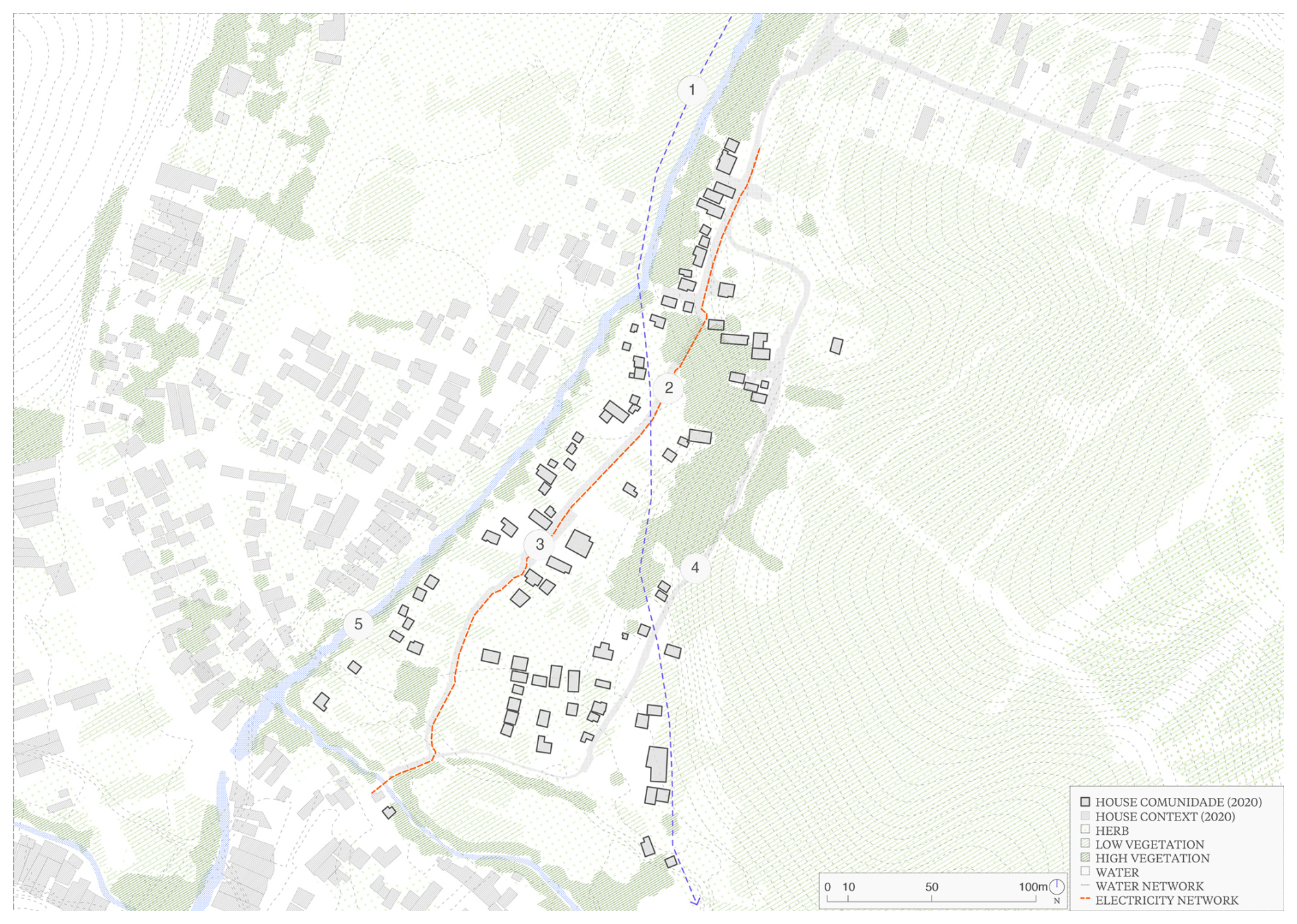
Figure 1Cartography of first-stage Terra de Deus, October 2020, by the author. (1) First collective water infra-street of the Conquest (Rua da Conquista), (4) street of Spring (Rua da Primavera), and (5) central river (a tributary of Billings city water reservoir).
In these early stages, while some self-building practices could be done individually, the production of networks of resource access – such as terra-forming paths, accessing water, deforesting entire areas for inhabiting them – was entirely a communal practice. In this phase of high vulnerability, the families had to protect themselves and their belongings from external agents, both human and ecological (interview with ex-inhabitant, 2024). These mutirão practices enabled them to autonomously access vital resources and collectively survive.
These collective practices of inhabitation as a form of territory-making resonate with the work of the Brazilian geographer Milton Santos, who has progressively discussed the notion of “territory” through his scholarship. In his concept of “used territory” (territorios usado), Santos argues that “territory consists of forms, but the used territory consists of objects and actions, synonymous with human space, inhabited space” (Santos 1994:16). The author highlights that, despite highly modernized networked places and globalized societies, the territory is still, at the end of the day, shaped by the “everyday dimension” of how we live together. Santos describes this as a revanche (revenge) on such a networked territorial organization, where “lived uses” produce and reproduce territory through contradictory forces (Santos, 2002).
This understanding of territory as an everyday, dynamic, and grounded reality is further developed by Porto Gonçalves, who defends an understanding of a lived, contested territory as a constantly evolving process. For him, “territory” is a core societal issue as it “concerns precisely the new configurations of land, the new territorial boundaries, and, since the definition of boundaries is the very essence of politics, the whole question of the protagonists is at stake” (Porto-Gonçalvez, 2002). For him, these protagonists operate through a process of cooperation and conflicts, which imposes interdependence as praxis in social groups (Porto-Gonçalvez, 2002). Porto-Gonçalves (2002) emphasizes the importance of the territory as a process of territorialization, which, at each moment, defines a particular territorial configuration (Porto-Gonçalvez, 2002).
In Terra de Deus, the process of territory-making, or territorialization, reveals that the early stage of building a settlement is formed through the interaction of families among themselves and with the local ecologies. A progressive “domestication” of the ecologies is emerging and is visible through the various community ground practices and the families' attempts at turning the protected environment into a domestic space, enabling their inhabitation. This practice of domesticating the ecologies becomes, in essence, the first collaborative territorialization project. By rendering inhabitable their natural environment, the development of social structures and solidarity among previously unrelated families begins the process of forming a social group, commonly called, in Brazil, a comunidade (community). These early stages of socio-ecological transformation are expressed by one ex-inhabitant as follows:
There was a lot of bush where the future community would be. The vegetation was very dense, with toucans, arrara birds, and snakes. We started clearing the land by hand, each of us taking a piece where we would build houses in the future. We built a wooden bridge and made a path through the vegetation that would later become `Rua da Conquista'. (MDC, 2023)
This exposes how the territorialization process finds its roots in individual and collective material–ecological transformation and adaptation. Under this light, the “protagonists” mentioned by Porto-Gonçalves in defining the boundaries of the territories are also extended: they are no longer limited to the families inhabiting the reserve but include the ecologies which are no longer just the background environment but are actively mobilized in the making of the territory. In this sense, Terra de Deus's early territorialization phase contributes to Santos' “used territory” by extending its definition in demonstrating that, during this embryonic phase of territorialization, the territory is formed not only through contested social and political practices but also through socio-ecological processes. This is visible through how ecological domestication and social solidarities are co-constructed, gradually forming fragile yet socio-material dependencies that would later condition the consolidation and vulnerability of the community.
In Terra de Deus, after the first months of inhabiting the site, the families had developed a self-built neighbourhood with approximately 500 families (MDC, 2023). While the first inhabitants had settled on the upper part of the site, the second wave of families settled on the site's lower plateau, next to the river. The central path was developed into a dirt street, Street of the Conquest (Rua da Conquista), as a symbol of the community's advancement in their struggle to build and consolidate their presence on the site. The number of families had also grown as external families saw the opportunity to acquire land in this promising settlement.
The arrival of an informal land grabber initiated important changes in the socio-economic dynamics and in the remodelling of the ecologies around the comunidade. These land grabbers, commonly known as grilleiros, literally “grid-makers”, are prominent figures in São Paulo's peripheries. Their practices involve carving streets and deforesting plots for future self-built settlements. Grilleiros often possess heavy machinery that allows them to construct streets, compensating for the absence of state infrastructural provision. By extending the boundaries of urbanization, they profit from the presence of the poor, requiring communities to pay for these services and illegally selling plots to them, while simultaneously consolidating their influence as territorial actors within the peripheries.
In Terra de Deus, the families coming in this second wave of arrival had to pay approximately RS 6000 (approximately EUR 1200) for a regular plot (MDC, 2023). The neighbouring farm started cultivating fast-growing vegetable crops on the site to sell food to the growing community. In this consolidation of the territorialization phase, the soil became a support, from a structural base for settlement building to a pantry of nutrients. This consolidation process required the communal construction of new electricity and water systems as the early ones did not provide enough water or pressure to the growing number of households.
During their first rainy season, significant challenges arose for houses situated in the floodplain as they faced severe impacts from rising water levels that reached up to 1.5 m above ground level and reclaimed the entire riverbed during heavy rains. Such events would wash away entire houses, destroying the furniture, taking away everything, and even destroying entire homes. The more tragic episode happened in 2021, when one of these violent water rises occurred during the night and killed a child. The testimony of an ex-inhabitant exposes how ecological backlash changed the socio-ecological relations:
It flooded so badly that you couldn't get out of there, the water rose and rose and rose, a child died because of one of these floods that came at night. When it started to rain, people left their homes and went out into the streets. The homes became a dangerous place. (MDC, 2023)
Through this challenging and evolving cohabitation with the ecologies, the families simultaneously adapted their architecture and shared spaces to the ecologies while also building larger and relatively more robust houses, shifting from basic shelters to more consolidated houses. Certain families also started to re-elevate their houses by a metre. Others would cover the floors with concrete, while others would adapt their furniture to ensure that none of their objects would touch the soil directly; this includes sleeping 2 m a.g.l. (above ground level) (Fig. 2). The families worked collectively to collect construction waste to elevate the main street by half a metre to create a “safe passage” for times of moderate rains (MDC, 2023).
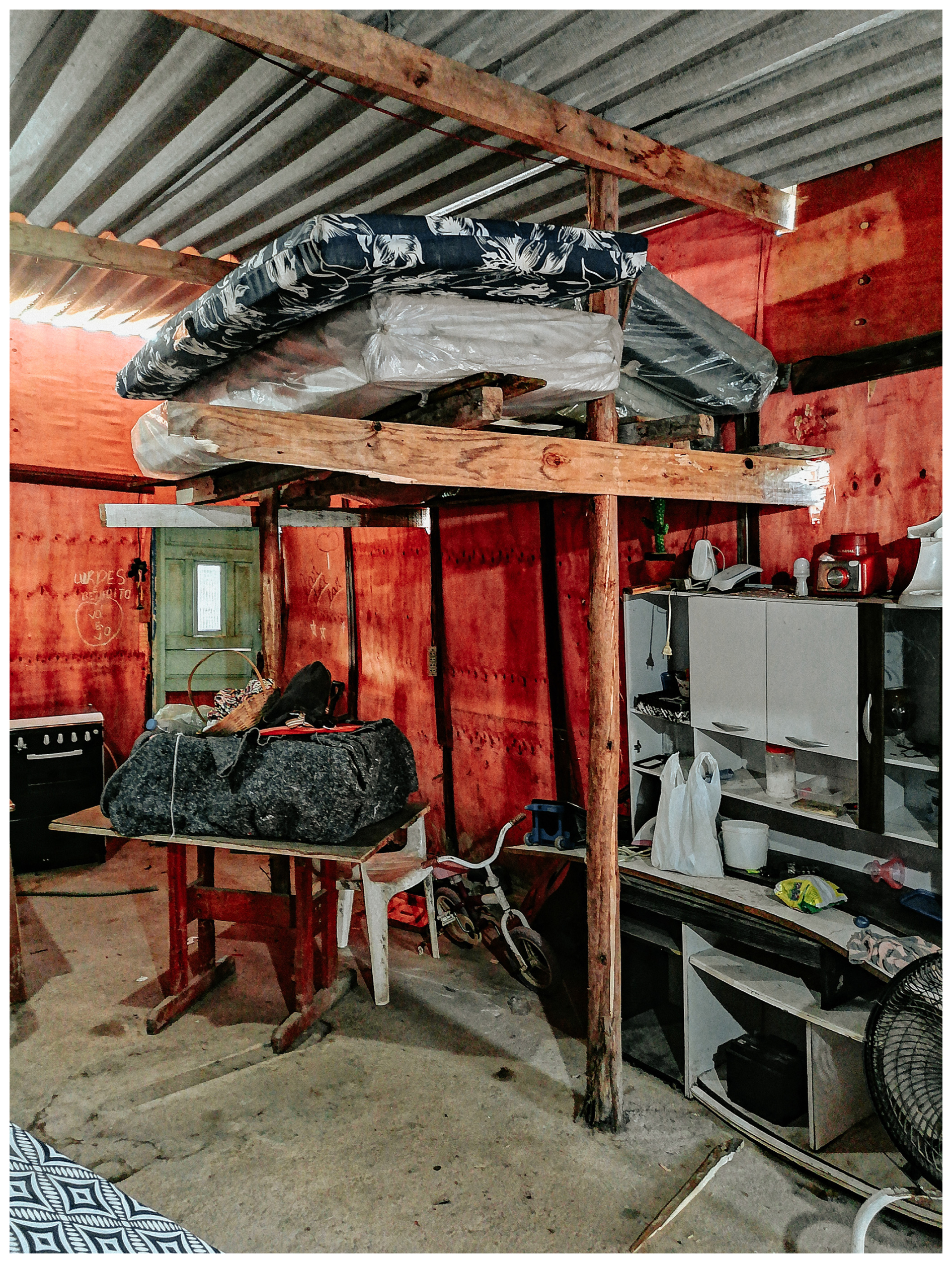
Figure 2Bed structure at 2 m height as a measure against flood struggles. Terra de Deus, 2022; photo taken by the author.
This household material transformation marked a shift from early territorialization to a first stage of consolidative and adaptive practices, developing a “longer-term” territorialization. By adapting their houses, the families planned, with more perspective, the spatial organization of their households, invested in more robust materials, and projected onto the growing occupation of their plots the possibility of incremental growth for potential family expansion (MDC, 2023).
At this time, the practices of another grilleiro, who was active in the direct vicinity, started having consequences for the Comunidade Terra de Deus. Between 2020 and 2021, the new grilleiro crafted new streets and plots of 25 m×5 m, ready to be sold in the adjacent area of the Comunidade. The presence of such a powerful actor began to have an ecological impact, leading to soil instability in the community. Facing uneven consequences, various families started to experience differentiated exposure to soil risks. This subtly reconfigured the patterns of mutual reliance which were previously sustaining the collective territorialization practices. Through the grilleiro's deforestation and excavation practices, mudslides during heavy rains began to flow down into Terra de Deus, blocking the streets and damaging the houses (Fig. 3). The grilleiro's soil movements, combined with the community's own geological presence, started to threaten the houses in the higher area, which began suffering from structural issues to the point of collapsing (MDC, 2023). In addition, the presence of the grilleiro started to initiate a change in the socio-economic dynamics in the community. As the grilleiro opened the gates of commodification, logics of external and internal speculation arose. Some inhabitants started building empty barracos, hoping to sell these for a higher profit in the eventuality where the community would be regularized at some point (interview with an ex-inhabitant, 2024).
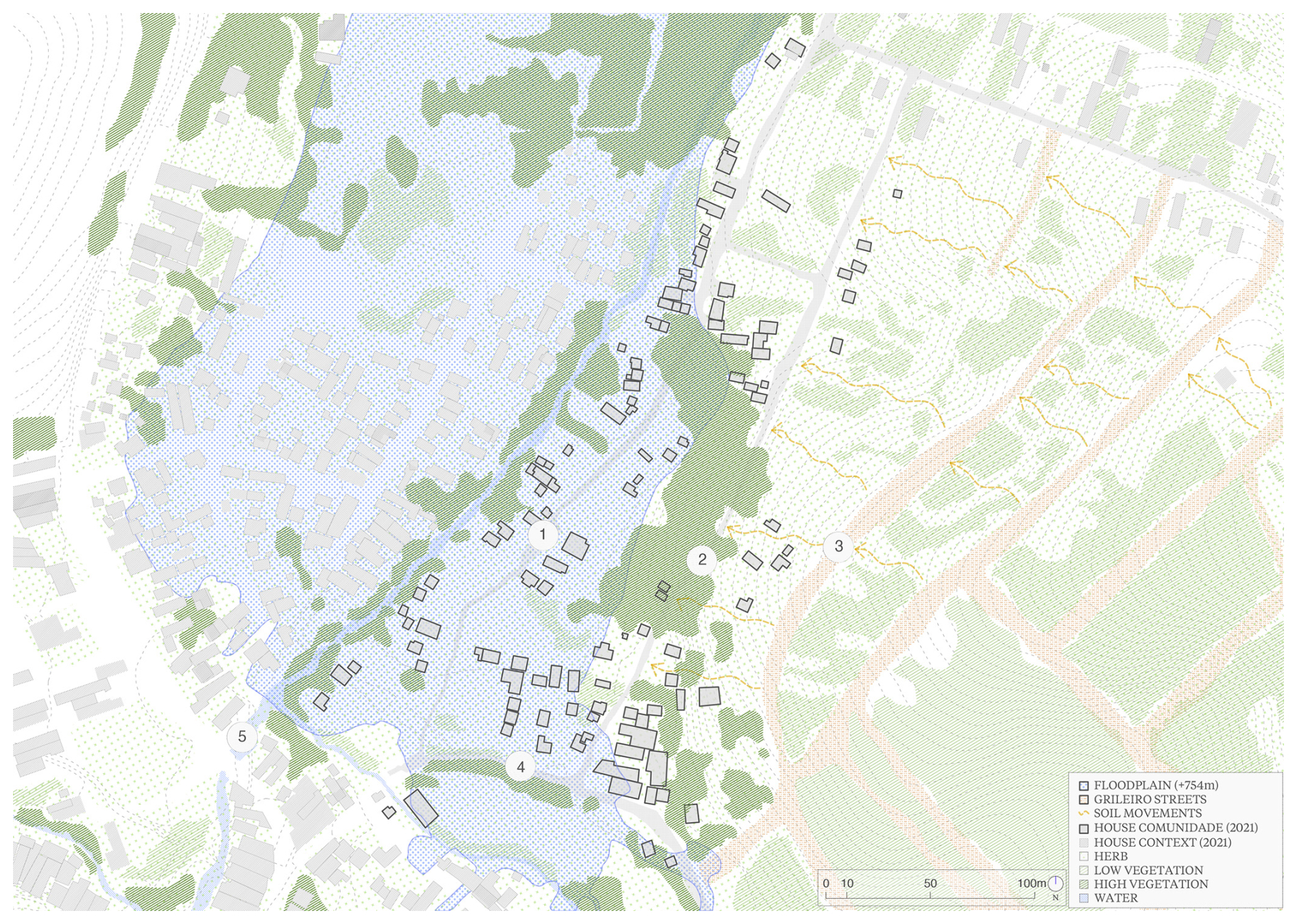
Figure 3Cartography of consolidation stage Terra de Deus, May 2021, by the author. (1) Rua da Conquista (Street of the Conquest), (2) Rua da Primavera (Street of Spring), (3) grilleiro's terra-forming which generated soil movements provoking landslides in Terra de Deus, (4) Rua Particular (Private Street), and (5) central river (a tributary of Billings city water reservoir).
While the families continued to anchor themselves, the presence of the grilleiro produced division and tension over colliding territorialization projects. Colombian anthropologist Zambrano examines the complex dynamics of dominance over specific territories, exploring how various forms of authority influence territorial configurations (Zambrano, 2001). The author reveals how multiple actors, whether indigenous or alien to a site, confront their forms of organization, kinship, and use of space while fighting for the legitimacy of their own particular way of exercising domination over a place. Zambrano thus differentiates between a “plurality of territories”, which signifies their multiplicity, and “plural territories”, which indicates the presence of a plurality of jurisdictions and configurations of territorial control (Zambrano, 2001). The author argues that, in places where land ownership cannot be used as a criterion for sovereignty, actors compete for new foundations of territorial control through domination, attempting to establish their own sites for territorial struggle (Zambrano, 2001; Haesbaert, 2012).
Porto Gonçalves advances that thinking by exposing how territories do not only function as sites of urban conflicts but are also produced through conflicts over territorial practices (Porto-Gonçalves, 2006b; Schwarz and Streule, 2016). His studies – mostly on indigenous groups and highly organized social movements in Latin America – aim to highlight the need to reflect on what is at stake in overlapping territorialization projects. For him, territory is not just a piece of land, but the possibility itself of collectively using a piece of land, to develop collective rights and emancipatory practices. He exemplifies this argument by describing that, when self-organized groups are able to capture one of the vectors of the global order – he takes the ecological one as an example – and redefine it, we can re-understand “territory” as “biodiversity plus culture” (Porto-Gonçalves, 2006a). For him, through such processes of developing new territories, new knowledge and symbolics are also produced, which he describes as inscritas (inscribed) in the protagonists – as embodied, lived, and territorialized forms of knowledge that are inscribed into the land, bodies, and practices of communities – and which he places in opposition to property regimes that are escritas (written) to refer to the formal, codified systems of inscription justifying colonial domination and dispossession, producing documentation that excludes. The author defends how the self-organized groups are reappropriating the material conditions of production to create the conditions and knowledge for their own emancipation and symbolic reproduction, which, in turn, produces further social formation. For this reason, the author emphasizes the importance of examining the relations that shape the territories in order to grasp what the core stakes are (Porto-Gonçalves, 2006a).
For the families of Terra de Deus, the architectural consolidation represents a key physical step but also, more importantly, a symbolic moment through which families begin to consolidate their territorial presence grounded in their shared socio-ecological inhabitation of the land by investing further into “grounding themselves” on the site. Beyond survival, families are starting to develop a symbolic attachment to the site through the consolidation and adaptation of their homes to the local ecologies. Paradoxically, in consolidating their territorialization, the consequences of their ecological transformations started to generate uneven exposure to ecological backlashes.
At the stage of consolidated territorialization, the integration of commodification practices shifted the shared “domestication of the ecologies” into a competition of “appropriation of the ecologies” accelerated by the grilleiros practices. This change in relation to the land is illustrated by Rolnik's argument, which claims that, in the language of finance, the territorial ties are reduced to their economic value in a unidimensional way (Rolnik, 2019).
This phenomenon becomes more evident in Terra de Deus, where the increasing economic valuation of territories by external agents correlates with a diminishing emphasis on other forms of connections, such as social, cultural, ecological, or symbolic ties. Unfortunately, this changing relationship with the ecologies often favours the most powerful actors by exposing the community unevenly, dividing the community in the making through fragmenting their initial common territorialization project. In this sense, these grounded relational changes did not simply alter spatial configurations but disrupted the relational infrastructures that had sustained collective inhabitation thus far.
Where Zambrano presents the tension among various entities competing for territorial configurations, the case of Terra de Deus contributes by highlighting that, under socio-ecological pressures and speculative incursion, the plurality of territorialization does not always consolidate a group against the presence of an external actor but can internally fragment the recently formed social cohesion and territorialization project.
On the other hand, in contrast to Porto-Gonçalves's vision of ecological appropriation as a vehicle for symbolic reproduction and social formation, the case of Terra de Deus illustrated the potential shifts in such a process. The community's early attempts to inscribe meaning through ecological appropriation were later fractured by the very logics of commodification that marginalized them in the first place – revealing a tension between inscritas and escritas symbolic regimes not only between groups but also within the socio-ecological fabric of the community. As commodification intensified and external actors imposed extractive logics, the ecologies shifted from being mobilized by the families and started to be instrumentalized by the various agents under their competing territorialization projects. While the “domestication of the ecologies” contributed to shaping the community's territorialization, their plural competing appropriations fragmented it.
In May 2022, the state issued a notice indicating that they would expel all of the families from Terra de Deus. The state agents specified that the families were inhabiting land that was in a “risk area” due to the flooding2.
Through their inhabitation, the families had transformed the ecologies through practices such as deforestation, remodelling of the topography, partial ground impermeability, and progressive pollution of rivers when used as open-air sewage. However, these families also engaged in various planting practices, ranging from food cultivation to ornamental front gardens. Yet, in the marginal urbanities, the presence of families in ecological reserves often subjects them to conditions of illegality and exacerbates their socio-spatial segregation (Acselrad, 2001; Maricato, 2011; Denaldi and Ferrara, 2018). As denounced by an ex-inhabitant, while ecological concerns in these regions are valid, the state's concurrent construction activities in these areas undermine its claimed commitment to environmental preservation (Fig. 4):
There were three springs, but the construction companies came and destroyed everything. I mean …. The `little people' cannot build, but the big guys can come and destroy everything, right? (Interview with an ex-inhabitant, 2024)
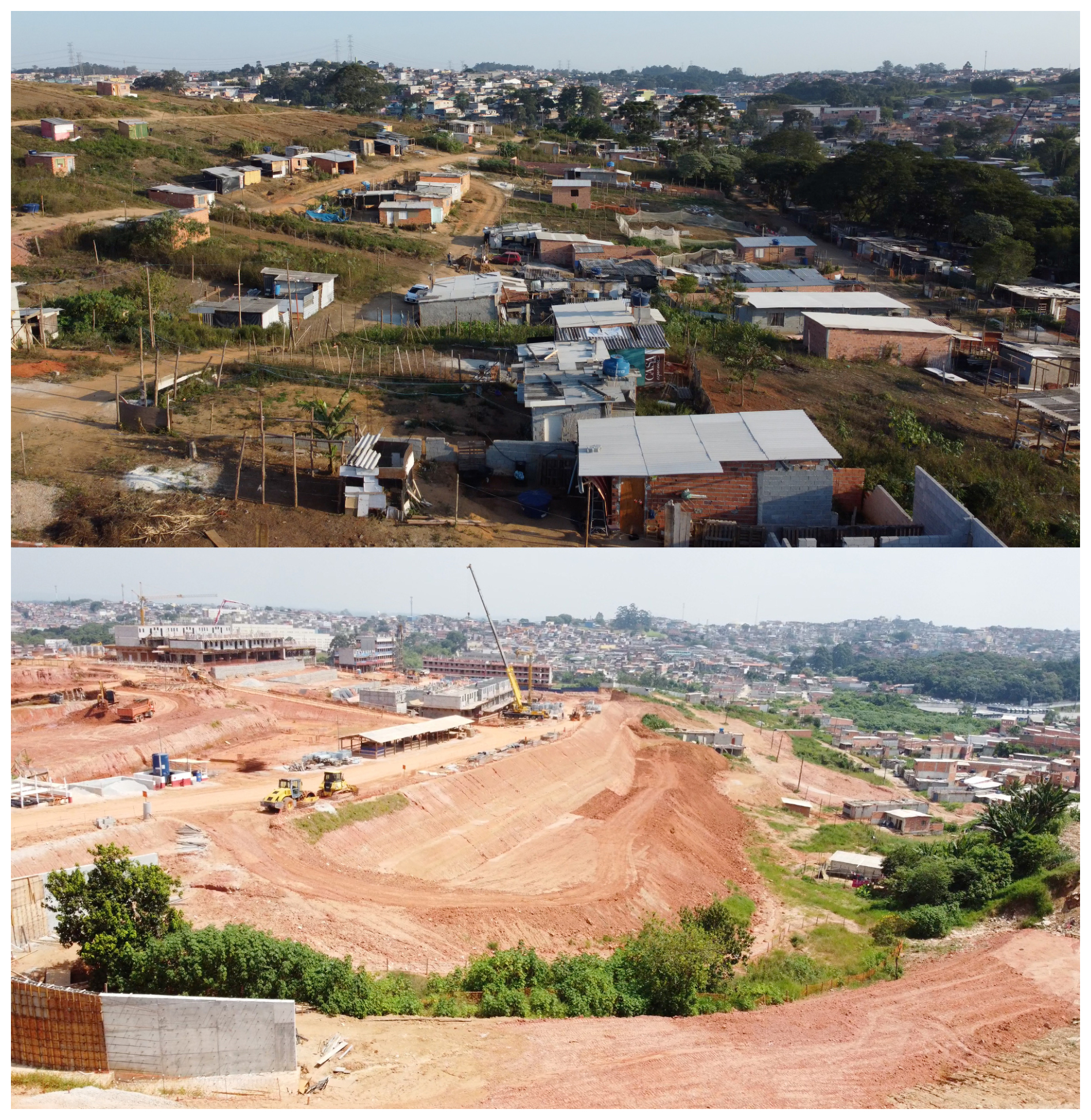
Figure 4Top picture: Comunidade Terra de Deus, October 2020. Bottom picture: Comunidade Terra de Deus, February 2024. Taken by the author.
This is precisely what is under scrutiny when Rolnik discusses the concept of “risky urbanization” to describe the notion of living under risk. Risky urbanization characterizes the vulnerabilities ranging from insecure land title ownership to unstable terrains and building structures (Rolnik, 1999). By conceptualizing risky urbanization, she contrasts the government's concept of “urbanization in risk areas”, which has been used as justification for massive evictions around the peripheries. In this way, Rolnik is able to reframe more fairly the roles of the involved parties.
In Terra de Deus, the application of eviction processes under the environmental argument left the families shocked by the news. Most families believed they had purchased the land from their owners and had by then invested all of their economies in their homes (MDC, 2023). One ex-inhabitant voiced the unjust conditions of this treatment:
They said we had invaded. I asked, where did I invade? I bought it here, I have official documentation that I bought it here. If I had invaded, I would not have documentation so do not say I invaded. Now, if you want to expropriate me there, that is another story. I have never invaded anything in my life. I have never needed to. I am a humble person. I was a salaried employee at the time. Today I am self-employed. I do not need to invade anyone's property. It was hard work. It was paid for in instalments. It was built my way, but I bought it. I am a human being like any other, struggling in life to be able to have a home, which should be the minimum a person needs. (Interview with an ex-inhabitant, 2024)
State agents began the “sealing” process (celagem), which involved identifying and estimating the self-built houses to negotiate compensation for destroying the homes in which families had invested all of their savings (interview with an ex-inhabitant, 2024). Three compensation options were offered to families for vacating their homes. The first was an “auxiliary rent” of about EUR 80 per month, and the second was financial compensation for house destruction. However, families often receive less than their investment in materials. The last option was to candidate for living in a state's social housing unit, which has a waiting period of approximately 12 years (interview with an ex-inhabitant, 2024).
To organize the compensation and eviction, the state worked on a case-by-case basis through its state social agents, frequently returning to the community to negotiate (MDC, 2023). Initial visits were described as reassuring but later became threatening (interview with an ex-inhabitant, 2024). Inhabitants denounced how the city's agents orchestrated a campaign of intimidation and misleading information during their visits, aiming to instil fear and divide the community. Oppression practices varied from threatening families with the loss of compensation if they resisted to providing varying departure dates for families. When they sensed that a family was nearly ready to leave, they adjusted their tactics based on the level of resistance encountered (interview with an ex-inhabitant, 2024). As illustrated by this testimony, the uncertainty was omnipresent, and eviction occurred on a case-by-case basis:
The removal took several days. When the families resisted – they gave the family a certain day to leave and they did not leave – they filled the place with police, and it was difficult. I could not even stand there watching because it was too painful. They came for them, but tomorrow they could come for me too. (Interview with an ex-inhabitant, 2024)
Testimonies suggest that the state disseminated asymmetrical information, effectively spreading confusion, fear, and mistrust within an already vulnerable community. These “misinformation campaigns”, commonly employed by local politicians' parties during elections (Casaes and Córdova, 2021; Recuero, 2020), were adapted to divide marginalized communities.
Such tactics of misinformation have emerged through my doctoral research with other communities facing eviction threats, such as Comunidade Toka do Sapo (2023) and Comunidade Linha do Trem (2024), where the state has systematically attempted to fragment communities before or during eviction processes.
Many families began leaving the community due to the oppression strategies (MDC, 2023). The state demonstrated force during the eviction. Inhabitants recall that the scale of the repression was so intense that the inhabitants went to seek external legal support:
I stayed here at that time. I did not go to work to make sure they did not break into my house. There were cases of them breaking into houses by force. Many residents were left homeless. Residents even went to court. There were more than 960 complaints about this construction project here. About excessive force, abuse of force. About machinery, etc. There were so many complaints that at one point the construction project was halted because of so many complaints. (Interview with an ex-inhabitant, 2024)
After days of destruction, the state departed (interview with an ex-inhabitant, 2024). Seemingly, the chronogram of works of the six private construction companies, not aiming to be disturbed by resisting families, arrived in Terra de Deus with their machinery and initiated the development of what would become one of the largest on-going housing construction projects in São Paulo. The project consisted of producing more than 3000 units, which the inhabitants complained about, stating that, even though the state labelled it as a “social project”, none of them could afford it (interview with an ex-inhabitant, 2024).
The constructors took over the role of executioner and oppressor, organizing the eviction of all of the resisting families while starting the construction of a massive housing complex and the most significant transformation of the ecologies. They first organized the deforestation of all of the remaining vegetation. The trees that the families had not touched were enumerated and excavated by the construction company. The companies began large-scale soil remodelling and excavation and transportation of soil across the site while backfilling other areas. This included the construction of numerous retention walls, altering all previous access points and nearly enclosing the land in a walled complex with moving soils. The soil was remodelled so that the remaining houses in the higher area would be “dug” by excavating all around them, leaving them on “hills”, with a drop of 5 to 10 m to the level of the remodelled ground. For the houses in the lower area, the constant backfill of soil around their households would surround them with piles of soil 2 to 5 m high. As expressed by ex-inhabitants, the construction company made direct threats through their machinery power in transforming the local ecologies:
The construction company removed everyone from the upper area, cleared all the remaining vegetation, and took all the soil from the upper area to place it near the residents, to surround and bury us. The company said that if we didn't leave, they would bury us alive and extract us through the windows. (MDC, 2023)
The topographical pressure was intense and highly effective. During rainy days, families living on higher ground worried about erosion undermining their homes, while those lower down faced significant mudslides that threatened to invade their houses and compromise their self-built structures. On hot and dry days, families had no choice but to keep their homes tightly shut as the dust from the nearby excavated soil settled on everything inside. In both scenarios, life in Terra de Deus transformed into a struggle (interview with an ex-inhabitant, 2024), with soil as a new ecological primary oppressive force (Fig. 5).
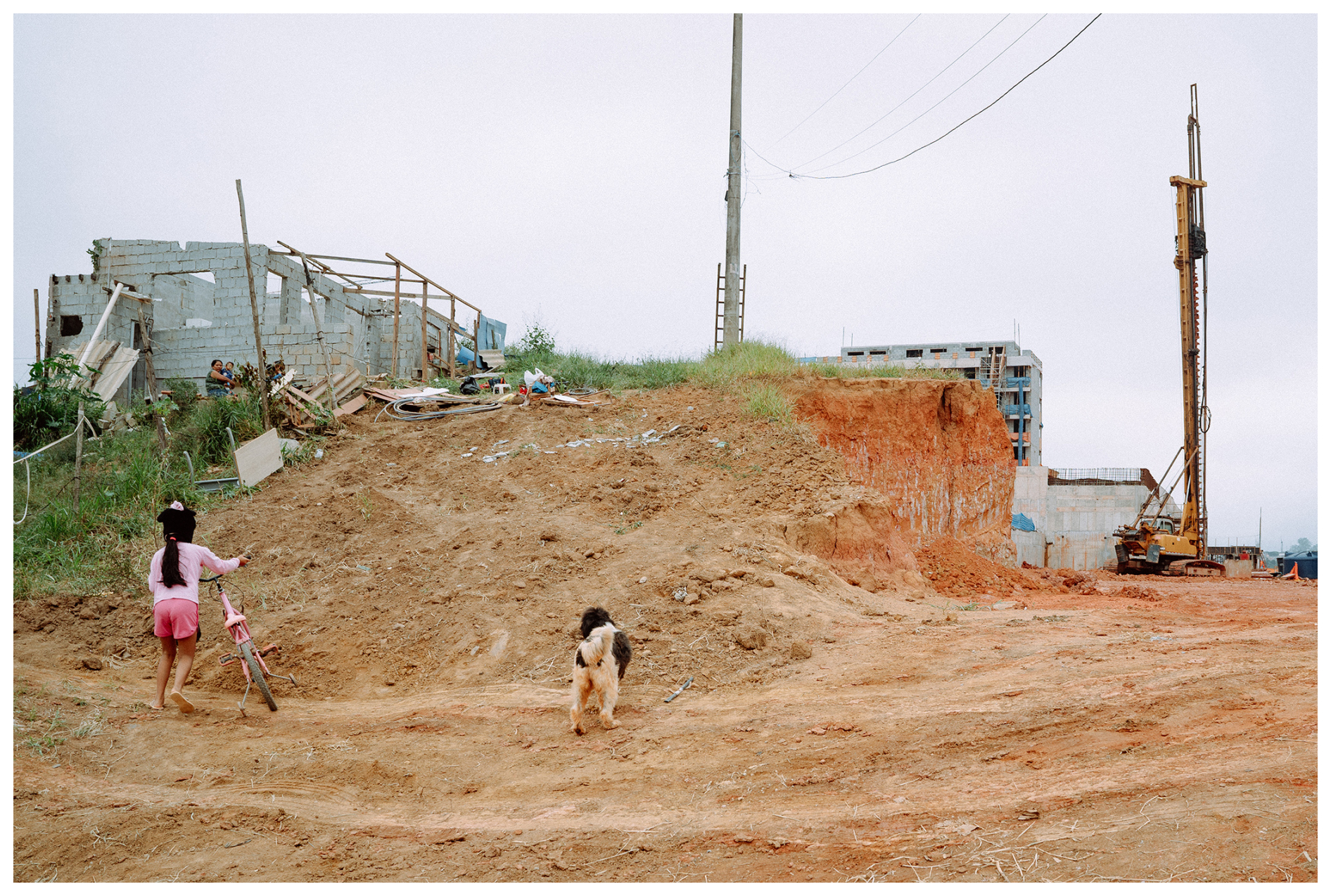
Figure 5Digging practices around houses, Terra de Deus, February 2024, by the author.
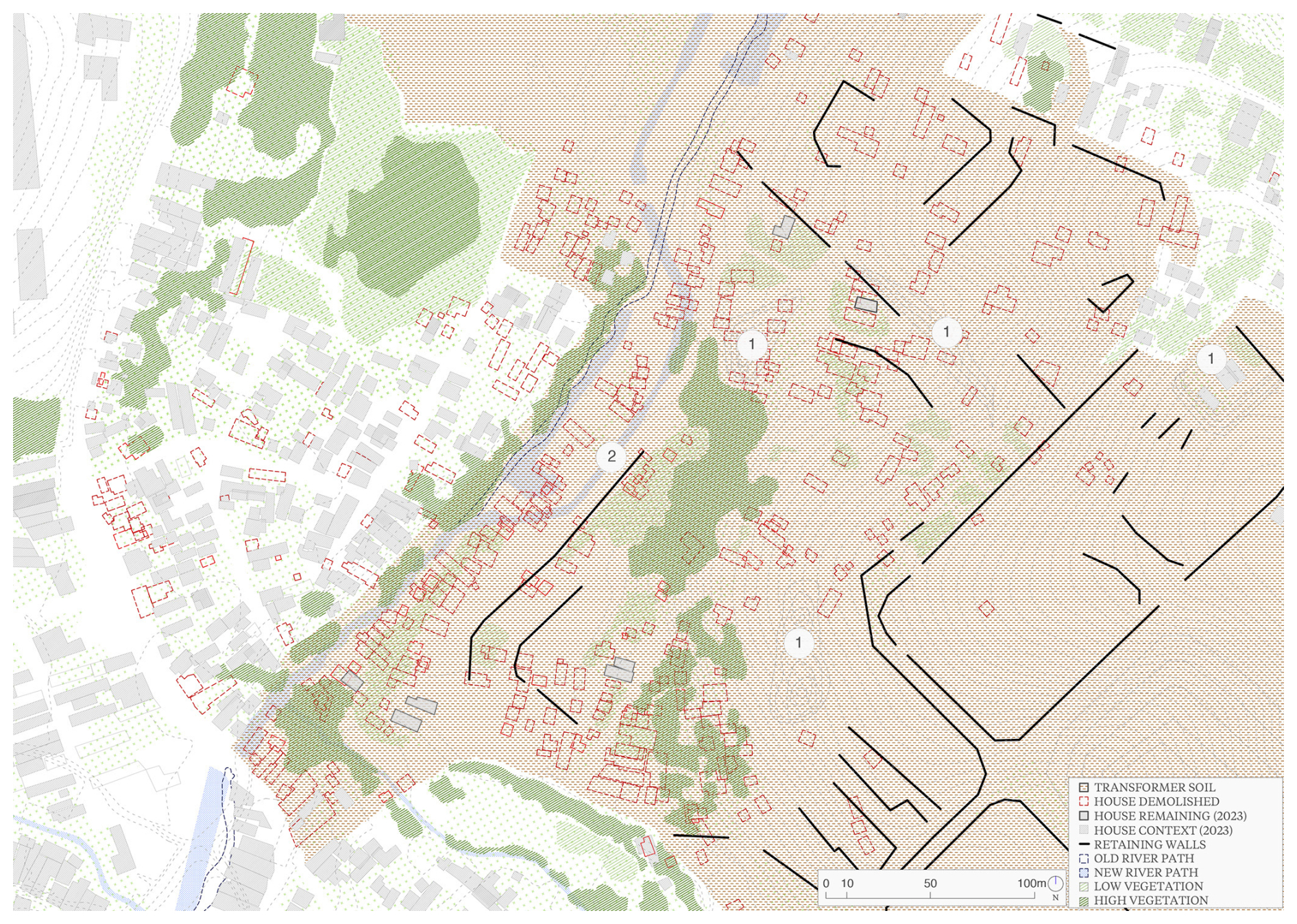
Figure 6Cartography of deterritorialization of Terra de Deus, May 2023, by the author. (1) Topographical remodelling following the destruction of existing streets and (2) redefinition of the river path.
The worksite operated 24/7, and heavy machinery weakened household walls, causing concern among families about their self-built homes collapsing (interview with an ex-inhabitant, 2024). The construction also oppressed families by destroying their water infrastructure. The construction company destroyed consolidated streets with land remodelling, leaving no drivable access for the remaining families (Fig. 6) (interview with an ex-inhabitant, 2024), as illustrated by an ex-inhabitant:
We had to go out and complain that they should stop throwing soil. The amount of soil they throw here, it was getting into the young man's house. Look at how much soil they threw into his house. Eventually, that soil will get into the young man's house, and there are children there. Are you going to kill people? (Interview with an ex-inhabitant, 2024)
At that time, the resisting families organized their resistance in a state of high emergency. They established a WhatsApp communication channel to share live updates and the results of negotiations with the constructors (interview with an ex-inhabitant, 2024). They also began to educate themselves about their rights to push back against the construction company. The ex-inhabitants remember how it forged new ties:
We stayed with the neighbours who remained. We showed solidarity with each other. We formed a kind of society. We communicate about everything. Because there is a lot of misinformation. Because housing, they will not give us. So since there will not be any housing, we want an agreement that we think is fair. (Interview with an ex-inhabitant, 2024)
The families rebuilt new water infrastructure alongside the remaining houses in response to the emergency and fought to ensure that the new infrastructure would not be destroyed again. They also confronted the construction workers, insisting that they leave and rebuild a “street” that would allow cars to enter and exit their households. Although the construction company did not agree to rebuild the street themselves, they consented to provide the materials, and the families would rebuild it by hand in mutirão. The construction company aimed to disconnect all the electrical poles in the community, but families resisted as they needed light at night. The companies altered the landscape so much that, initially, some 10 m high poles were now within hand's reach, with hanging cables that could electrocute someone upon contact. Over the weeks, the number of resisting families decreased rapidly. From hundreds of initial families, only six remained isolated on this city-scale construction site (interview with an ex-inhabitant, 2024). The construction company was waging a war on both physical and psychological fronts.
The loss of their territorialization aligns with the concept of “deterritorialization”, initially conceptualized by Deleuze (1995)3 as a more nuanced departure of meanings across multiple domains. In Brazilian urban studies, the geographer Rogerio Haesbaert later argued that, geographically speaking, deterritorialization is a myth (Haesbaert, 1994, 2003, 2004) as humans are fundamentally multiterritorial or inherently experiencing multiple territorialities. The author nevertheless later discusses the term deterritorialization “in a generic way” as “exclusion, deprivation and/or precariousness of territory as a `resource' or `appropriation' (material and symbolic) indispensable to our effective participation as members of a society” (Haesbaert, 2004:315).
While this is also related to a previous idea of “territorial exclusion” as deprivation in terms of access to a basic degree of urban life and opportunities (Rolnik, 1999), the process of deterritorialization is strongly aligned with Kowarick's “urban spoilation”, whereby he argues that the capitalist system, while exploiting the precarious working forces through socio-spatial exclusion, also presupposes the destruction of the autonomous means of subsistence. For him, practices of auto-construction represent such means of subsistence, going beyond a material form of saving and acting as an indispensable means of livelihood (Kowarick, 1997). He argues that urban spoilation is produced through the existence of interrelated processes intended to maintain the working class in a condition of relative impoverishment and exploitation while producing “urban dispossession” through the extortion of the working classes' access to collective consumption services. Kowarick argues that the consequence of such interrelated processes is exclusionary, displacing and dispossessing thousands of people, “fixing” the poor to deprived areas as they cannot “afford the price of progress” and will be further displaced when such progress reaches them (Kowarick, 1997).
The testimonies from Terra de Deus contrast with the conceptual reflection of Deleuze and Guattari, describing the violent reality of such processes through socio-ecological dispossession and the consequent erasure of the community. While Rolnik's “territorial exclusion” crucially denounces the denial of urban life and services, the ground study of Terra de Deus's deterritorialization extends this further through describing how the state and construction company do not limit themselves to denying access but actively dismantle the attempts of the precarious families to integrate themselves into urban life. In this sense, Terra de Deus' deterritorialization aligns with Kowarick's arguments, exposing the fact that deterritorialization strategies are not limited to the fragmentation of the community's material and symbolic relations but rather aim to erase the autonomous means of subsistence.
The case of Terra de Deus contributes to portraying how the destruction of the community's “means of subsistence” was carried not only through the erasure of homes and infrastructure but also through the erasure of the community's territorialization process itself. This occurred through the physical “undoing” of the community's domestication of ecological resources and went even further by transforming one of the community's primary means of subsistence – the soil – into a geo-oppressive tool.
This also occurred psychologically with the proposal of distinct future housing alternatives to families. Instead of discussing and planning a relocation plan for the community as a whole, the state operated – as they often do in São Paulo's peripheries – on a case-by-case basis.
Through this strategy, the state fragmented the community's reterritorialization future, furthering the inner division through uneven alternatives. By negotiating compensation individually and distributing uneven future prospects, the state weakened the possibility of collective decision-making and emergence of a common strategy. In this sense, deterritorialization targeted not only dwellings but the lived relationalities that had enabled territorial consolidation.
Lastly, what is absent from the discussion on deterritorialization is how it can also produce reterritorialization. While Rolnik mentions “territorial exclusion”, Kowarick mentions the “fixation” of the poor or “urban dispossession”; the authors do not integrate the agency of the oppressed and how they actually can influence such processes.
The remaining six families, which operated as a well-coordinated network to support one another, collectively implemented a reterritorialization project through the reappropriation of soil (by rebuilding the street) and of water systems (by reconnecting their houses) to re-establish means of subsistence. Through its deterritorialization practices, the state produced the formation of a smaller but much more unified and interconnected sub-community that resisted more effectively. The case of Terra de Deus illustrates how the process of eviction can leave the oppressed in a situation where they face losing their territorialization and can accept deterritorialization or resist through reterritorializing themselves in situ by producing a new territorial configuration adapted to counter the deterritorialization actions. In the case of the remaining six families, they knew that they would inevitably face deterritorialization at some later stage. Yet, they engage in reterritorialization to negotiate a more just form of deterritorialization.
For the families, departing from the territory includes carrying with them pieces of their households, from roof sheets to plants to wooden pillars, while abandoning others (Fig. 7). Being back in the swing of the violent and competitive housing market, the families felt that they were quickly forgotten by the state (interview with an ex-inhabitant, 2024) now that they were not overlapping anymore with their divergent territorializations.
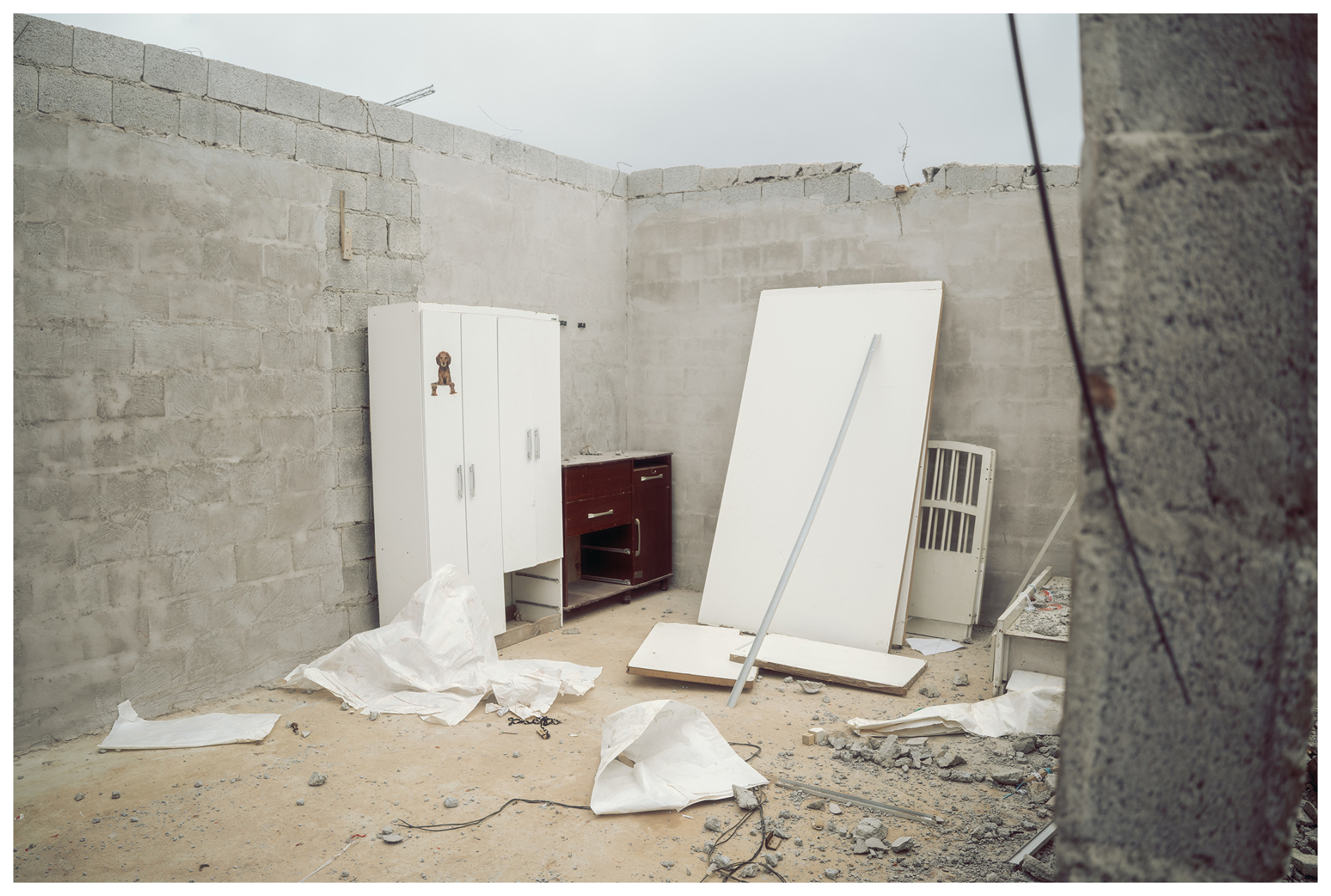
Figure 7Left-behind furniture of Terra de Deus inhabitants, Terra de Deus, March 2024, by the author.
For the evicted families, the new “deterritorialized life” was a significant socio-economic sacrifice that few could sustain for long (interview with an ex-inhabitant, 2024). Most families who opted for auxiliary rent used the money to buy food and continued searching for another self-built community in which to resettle, often in much more distant territories, and lost their previous networks of solidarity (MDC, 2023). As one ex-inhabitant described,
Today it is more difficult. Close friends who lived here are not anymore. Nowadays, even with a mobile phone, it is more difficult. I do not know if people can afford to top up phone credits. When we lived closer, it was easier. When we live faraway from others, it is more difficult. (Interview with an ex-inhabitant, 2024)
Additionally, through this continuous process of deterritorialization came destruction tied to the notion of “ecocide”, which relates to harming vital socio-ecological relationships and dismantling ecological and social life systems, ultimately degrading both environmental and human conditions (Lindgren, 2018). This notion of the dispossession of a territory is also explored by Moira Millán in her studies of the Mapuche indigenous groups in Argentina in relation to the concept of “terricide” (terricidio). The author characterizes this as part of the “civilizatory matrix of death”, which encompasses ecocide (destruction of tangible ecosystems), genocide (extermination of peoples), epistemicide (eradication of diverse ways of understanding how to live in the world), and femicide (criminal politics against women's bodies). For Millán, the defence of territory is inextricably linked to the defence of the identity, sovereignty, language, knowledge, and spirituality of an indigenous population (Millán, 2019; Gómez, 2023).
Lastly, for the families scattered across the many peripheries of São Paulo and even further beyond, the primary struggle was to achieve and successfully engage in the reterritorialization processes. For many, due to the many obstacles of restarting the process, the primary threat was being kept in a state of constantly moving from one temporary solution to another (interview with an ex-inhabitant, 2024), thereby repeatedly exposing themselves to various agents that could profit from their precarity.
For each new failed reterritorialization, the families faced additional losses of scarce savings, which often included additional debts. In sum, every failed attempt to engage in reterritorialization represented a step toward further precarity or, through Rolnik's lens, putting themselves in “riskier” conditions.
The progressive development of “territoriless populations” through the continuous movement of inhabitants in the (de/re)territorialization cycle process illustrates how precarious families are instrumentalized to produce the almost irreversible transformation of inhabited ecological reserves into urban areas for “progress”.
In opposition to previous theories of deterritorialization, which conceptualize deterritorialization as a dual rupture (Deleuze and Parnet, 1988) or a structural phenomenon (Kowarick, 1997), the Terra De Deus enables us to grasp the extended temporal nature of deterritorialization, not as a shifting point but rather as a longer dialectical process of eroding the past territorialization and rendering the future of its agents precarious. While Rolnik points to the existence of processes for “unlocking land” through the instrumentalization of the poor, her ideas do not engage with the grounded realities of the deterritorialization–reterritorialization phase. The post-deterritorialization phase of the inhabitants reveals the struggle to engage with reterritorialization, producing rather varied “weak” reterritorializations rather than having the capacity to reinitiate the cycle immediately.
While the presence of displaced families – at the city scale – is consolidating the production of urban marginalities through the inhabitation of the ecological reserves, their presence – at the individual scale – often remains in a repetitive movement in the (de/re)territorialization dynamic.
The existence of this dynamic exposes the consequence of deterritorialization as an extended process, which, through the various weak attempts to gain reterritorialization, illustrates how the capacity to build a relationality with a new territory is not a simple material issue but entails a struggle to develop various types of relations with material, social, ecological, emotional, and epistemological elements.
This absence of relationalities contrasts with Millán's work in traditional indigenous groups, where the studied indigenous community achieves a degree of relation to their territory, enabling the development of a specific identity, culture, language, and sovereignty, unlike the fragile yet emerging socio-ecological relations formed in Terra de Deus, where the displaced families struggle to reconstitute even minimal relational infrastructures in their new locations.
In contexts such as Terra de Deus, such forms of relationality were still emerging when the external competing agents intervened. The timely deterritorialization intervention enabled the transformation of the inhabited ecological reserve into formal urban land, producing land for the market while erasing the in-the-making relations to the land and dividing the in-the-making community. This reveals that the strength of reterritorialization is not an individual process but a collective one, and it is not only material but also fundamentally relational.
While previous works have understudied the everyday process of constructing, defending, and losing marginal urbanities in peripheral São Paulo, this study has unveiled how the (de/re)territorialization of a marginal urbanity – as revealed through Terra de Deus – is not merely a struggle for space but also a struggle to develop and defend relations to it. Looking from a ground-level perspective, it became clear that there was never just a “community” but always a community in the making and never a “territory” as a fixed object but always a provisional territorial configuration continuously made and unmade through (de/re)territorialization.
The Brazilian indigenous leader Ailton Krenak advocates for such relationalities in many of his works, particularly in his recent piece, Ancestral Futures (Krenak, 2024), where he develops the notion of “florestania”, a term that combines “citizenship” (citadania) and “forest” (floresta). This concept aims to describe the “citizens of the forest” in contrast to modern interpretations of citizenship, which often perpetuate a divide between nature and culture, as well as between cities and countryside, thereby contributing to the destruction of ecosystems and livelihoods. For him, urbanization signifies the erasure of traditional knowledge, with the primary symptom of late capitalism being an “affective collapse”, which is understood as a lack of emotional connection to nature (Krenak, 2024). In response, Krenak proposes the concept of “affective cartographies” to assign meaning to the landscape and to resist the exploitation of bodies and territories by extractive practices (Krenak, 2024).
To discuss this, this article proposes the term grounded relationalities. With “grounded”, the term refers to the “everyday character” and lived-experience dimension. With “relationalities”, the term refers to the affective and symbolic relations produced through territorialization. The analysis of Terra de Deus has made visible the fact that grounded relationalities are not just the consequences and traces of the collective domestication of ecologies but the very stakes through which urban oppression and resistance unfold.
Across early phases of territorialization in newly self-built communities, these relational grounds have been developed through the domestication of ecologies and consequently fostered place-based solidarities and mutual-help practices. The progressive construction of grounded relationalities has not only encouraged but also been a condition for the community to continue investing their incomes, energy, labour, and aspirations in building their comunidade.
In the consolidation of territorialization, such socio-ecological bonds have been further consolidated by adapting the architecture to the ecologies while simultaneously being affected by the arrival of an external agent that redefined uneven exposure to ecologies and commodification, which has affected the families differently. In this process, the grounded relationalities have been fragmented.
In the phase of deterritorialization, the grounded relationalities have been more intensely disputed between families and the state's agents. They have been systematically targeted by the state as they represented forms of legitimacy in relation to the land for the community, both physically through the erasure of the community's domestication of the ecologies and symbolically by dividing the family's future reterritorialization. Additionally, in the deterritorialization, the grounded relationalities helped the last resistant families to gain reterritorialization in situ based on their previously common knowledge of the soil, the ecologies, and their social network; to develop new networks of solidarity much more efficiently; and to enable themselves to negotiate a more just deterritorialization.
In the later extended deterritorialization–reterritorialization phase, relational bonds were erased for some and fragmented for others, producing weak reterritorialization for the families.
Uncovering the existence and struggle of grounded relationalities in newly self-built communities highlighted how they are produced through socio-ecological cohabitation as simultaneously co-constitutions and outcomes of the (de/re)territorialization cycle. Distinctively, in relation to Krenak's and Millán's indigenous forms of “affects” or more traditional “territorial attachment” or “belonging”, newly self-built communities without a prior collective political project – such as Terra de Deus – reveal how grounded relationalities emerge through everyday socio-ecological interdependencies.
These relationalities gradually stabilize territorial claims while remaining structurally vulnerable to fragmentation and external intervention.
Their process-oriented and dialectical character renders them inherently fragile. Precisely because they often precede formal recognition or political articulation, they can be targeted and dismantled before being documented, institutionalized, or mobilized as collective resistance.
Rather than treating marginal urbanities as territorialized, deterritorialized, and reterritorialized, this study unveils how grounded relationalities may operate as both the terrain and the stake of struggle over territory in processes of marginalization and resistance. These relationalities are not merely the result of territorial processes but rather are their very condition – the fragile relational infrastructures through which marginalized communities struggle to assert their presence, survival, and symbolic territorial legitimacy within violent cycles of (de/re)territorialization.
The interview data and coding materials cannot be made publicly available due to ethical commitments made to participants at the time of data collection. Given the sensitive nature of the research context and the potential risks of identification, participants were assured that their contributions would remain confidential and not be shared beyond the scope of the study. Data access is therefore restricted to protect participant anonymity and safety.
The author has declared that there are no competing interests.
Publisher's note: Copernicus Publications remains neutral with regard to jurisdictional claims made in the text, published maps, institutional affiliations, or any other geographical representation in this paper. The authors bear the ultimate responsibility for providing appropriate place names. Views expressed in the text are those of the authors and do not necessarily reflect the views of the publisher.
This work owes much to the families of Comunidade Terra de Deus for their trust in sharing their stories throughout their continuous struggle for territorial justice.
My sincere thanks are given to Mosé Cometta and Giulia Scotto for providing the helpful critiques on the early versions of this work. I am also particularly thankful for the critical and insightful peer-reviewers and editors who engaged with the later versions of this paper. All errors or omissions remain my own responsibility.
This research has been supported by the Fonds De La Recherche Scientifique – FNRS (grant no. 40022048).
This paper was edited by Ottavia Cima and reviewed by two anonymous referees.
Acselrad, H.: A duração das cidades: sustentabilidade e risco nas políticas urbanas, in: A duração das cidades: sustentabilidade e risco nas políticas urbanas, 240–240, https://pesquisa.bvsalud.org/portal/resource/pt/lil-620591 (last access: January 2026), 2001.
Amaral, R. D. and Ross, J. L. S.: A legislação e a gestão para redução de riscos relacionados a inundações no município de São Paulo/SP, Sociedade & Natureza, 32, 501–514, 2022.
Arantes, P. F.: Arquitetura Nova: Sérgio Ferro, Flávio Império e Rodrigo Lefèvre, de Artigas aos mutirões, Editora 34, ISBN 978-85-7326-251-3, https://editora34.com.br/detalhe.asp?id=231 (last access: December 2025), 2002.
Bonduki, N. G.: Habitação & autogestão: construindo territórios de utopia, https://autogestao.unmp.org.br/wp-content/uploads/2024/02/Habitacao-Autogestao-1992.pdf (last access: January 2026), 1992.
Caldeira, T.: Fortified Enclaves: The New Urban Segregation, Public Culture, 8, 0899-236319610802-0006$01.OO, 1996.
Caldeira, T.: Peripheral urbanization: Autoconstruction, transversal logics, and politics in cities of the global south, Environ. Plan. D, 35, 3–20, 2017.
Casaes, D. and Córdova, Y.: Brazil: Weaponised information and digitised hate, in: Social Media Impacts on Conflict and Democracy, Routledge, 43–58, https://doi.org/10.4324/9781003087649, 2021.
Castel, R.: Les pièges de l'exclusion, Lien social et Politiques, 13–21, https://doi.org/10.7202/005065ar, 1995.
Deleuze, G.: Interview with Claire Parnet. L'Abécédaire de Gilles Deleuze: Avec Claire Parnet, 1995.
Deleuze, G. and Parnet, C.: L'Abécédaire de Gilles Deleuze [The ABCs of Gilles Deleuze], Produced and directed by: Boutang, P. A., Semiotext (e) , France, https://doi.org/10.4231/P0Z3-FD36, 1988.
Denaldi, R. and Ferrara, L. N.: The environmental dimension of slum upgrading, Ambiente Sociedade, 21, e01950, https://doi.org/10.1590/1809-4422asoc0195r0vu18L1AO, 2018.
Evaristo, C.: Becos da memória, Mazza Edições, ISBN 10:8571603758, 2006.
Evaristo, C.: Escrevivência: a escrita de nós, Reflexões sobre a obra de Conceição Evaristo, DUARTE, Constância Lima, ISBN 978-65-992547-0-3, 2020.
Fernandes, B.: Movimentos Socioterritoriais E Movimentos Socioespaciais: Contribuição Teórica Para Uma Leitura Geográfica Dos Movimentos Sociais, Revista Nera, 24-34-34, http://bibliotecavirtual.clacso.org.ar/ar/libros/osal/osal16/D16MFernandes.pdf (last access: March 2026), 2005.
Fernandes, B. M.: A formação do MST no Brasil, Editora Vozes, ISBN 85.326.2345-X, 2000.
Gómez, L.: Moira Millán on Land Struggle and Terricidio, Cluster “GeoSemantics Inhuman Becomings and Earthly Memories in the Global South”, ASAP/Journal, https://asapjournal.com/node/geosemantics-moira-millan-on-land-struggle-and-terricidioleila (last access: February 2026), 2023.
Haesbaert, R.: O mito da desterritorialização e as “regioes)rede”, Curitiba, ISNB 85-286-1061-6, 1994.
Haesbaert, R.: Da desterritorialização à multiterritorialidade, Boletim Gaúcho de Geografia, Zenodo [data set], https://doi.org/10.5281/zenodo.18526307, 2003.
Haesbaert, R.: Precarização, reclusão e “exclusão” territorial, Terra Livre, 2, 35–52, 2004.
Haesbaert, R.: Da desterritorialization a Multiterritorialidade, Boletim Gaúcho de Geografia, 39, 13–24, 2012.
Halvorsen, S., Fernandes, B. M., and Torres, F. V.: Mobilizing Territory: Socioterritorial Movements in Comparative Perspective, Ann. Am. Assoc. Geogr., 109, 1454–1470, https://doi.org//10.1080/24694452.2018.1549973, 2019.
Harms, H.: Limitations of self-help, Architect. Design, 46, 230–231, 1976.
Herminio, B.: A escrevivência carrega a escrita da coletividade, afirma Conceição Evaristo, Instituto de Estudos Avançados da Universidade de São Paulo, https://www.iea.usp.br/noticias/a-escrevivencia-carrega-a-escrita-da-coletividade-afirma (last access: December 2025), 2022.
Jelin, E.: Los trabajos de la memoria, Fondo de Cultura Económica Argentina, ISBN 978-987-719-253-7, 2022.
Kogan, G.: The socio-environmental history of the floods in São Paulo, 1887–1930, Unpublished MSc thesis, UNESCO-IHE, Delft, https://cosmopista.files.wordpress.com/2014/11/thesis_gabrielkogan.pdf (last access: January 2026), 2013.
Kowarick, L.: Espoliação urbana, lutas sociais e cidadania: fatias de nossa história recente, Espaço e Debates, 40, 105–113, 1997.
Krenak, A.: Futuro ancestral, TAURUS, ISBN 10:8430627324, 2024.
Lerchs, L., Stevens, J., and Cavalieri, C.: Perpetual transience: the socio-ecological marginalization of São Paulo's peripheries, ZARCH, 146–159, https://doi.org/10.26754/ojs_zarch/zarch.2024229903, 2024.
Lindgren, T.: Ecocide, genocide and the disregard of alternative life-systems, Int. J. Hum. Rights, 22, 525–549, 2018.
Maricato, E.: Metrópoles desgovernadas, Estudos Avançados, 25, 7–22, 2011.
Martins, M. L. R. R.: Moradia social e meio ambiente: tensão e diálogo na metrópole, Universidade de São Paulo, https://repositorio.usp.br/item/001542971 (last access: November 2025), 2005.
MDC – Memorias de Comunidade Workshop (Memory of Community Workshop): Comunidade Terra de Deus, 2023.
Meihy, J. C. S. B.: Canto de morte Kaiowá: história oral de vida, Edições Loyola, ISBN 85-15-00519-0, 1991.
Meihy, J. C. S. B.: Manual de história oral, Edições Loyola, ISBN 10:851501324X, 1996.
Meihy, J. C. S. B.: Memória, história oral e história, Revista de História Oral, 4, https://www.iea.usp.br/noticias/a-escrevivencia-carrega-a-escrita-da-coletividade-afirma (last access: December 2025), 2010.
Métraux, A.: The Tupinamba, US Government Printing Office, https://archive.org/details/handbookofsoutha00stew/page/n3/mode/2up (last access: December 2025), 1987.
Millán, M.: El tren del olvido, Planeta, Buenos Aires, ISBN 978-950-49-6788-0, 2019.
Paugam, S., Martin, C., and Schweyer, F.-X.: L'exclusion, l'état des savoirs, La découverte, https://www.persee.fr/doc/rfsoc_0035-2969_1996_num_37_4_4480 (last access: November 2025), 1996.
Porto-Gonçalves, C. W.:: Da geografia às geo-grafias. Um mundo em busca de novas territorialidades, https://biblioteca.clacso.edu.ar/clacso/gt/20101018013328/11porto.pdf (last access: December 2025), 2002.
Porto-Gonçalves, C. W.: A Reinvenção dos Territórios: a experiência latino-americana e caribenha, Los desafíos de las emancipaciones en un contexto militarizado, CLACSO – Consejo Latinoamericano de Ciencias Sociales, https://biblioteca.clacso.edu.ar/clacso/gt/20101019090853/6Goncalves.pdf (last access: December 2025), 2006a.
Porto-Gonçalves, C. W.: A geograficidade do social: uma contribuição para o debate metodológico para o estudo de conflitos e movimentos sociais na América Latina, Revista Eletrônica da Associação dos Geógrafos Brasileiros, Seção Três Lagoas, 5–26, https://biblioteca.clacso.edu.ar/clacso/formacion-virtual/20100724072446/17porto.pdf (last access: December 2025), 2006b.
Recuero, R.: # FraudenasUrnas: estratégias discursivas de desinformação no Twitter nas eleições 2018, Revista Brasileira de Linguística Aplicada, 20, 383–406, 2020.
Rolnik, R.: Exclusão territorial e violência, São Paulo em Perspectiva, 13, 100–111, 1999.
Rolnik, R.: Urban warfare: Housing under the empire of finance, Verso Books, ISBN 1788731603, 2019.
Santos, M.: O retorno do território, Território: globalização e fragmentação, Editora Hucitec ANPUR, ISBN 10:8527102730, 2002.
Schwarz, A. and Streule, M.: A transposition of territory: Decolonized perspectives in current urban research, Int. J. Urban Reg. Res., 40, 1000–1016, 2016.
Sposati, A. d. O.: Mapa da exclusão/inclusão social na cidade de São Paulo, EDUC – Editora da PUC-SP, https://pesquisa.bvsalud.org/portal/resource/pt/sms-1982 (last access: December 2025), 1996.
Stevens, J.: Occupation & city: the proto-urbanism of urban movements in central São Paulo, unpublished doctral thesis, Universidade Presbiteriana Mackenzie, São Paulo/University of Leuven, Bélgica, https://dspace.mackenzie.br/items/4bc72dce-30ed-4c27-8c24-fff17314f9a7 (last access: October 2025), 2018.
Turner, J. C.: Dwelling resources in South America, Ekistics, 16, 361–374, 1963.
UN-Habitat: Habitat III regional report Latin America and the Caribbean. Sustainable cities with equality, UN-HABITAT, ISBN 978-92-1-133393-0, 2017.
Vilaça, Í. V. C., Paula: Usina: entre o projeto e o canteiro CAU SP, Edições Aurora, https://caubr.gov.br/wp-content/uploads/2017/04/LivroGrupoUsina.pdf (last access: February 2026), 2015.
Ward, P. M.: Self-Help Housing: A Critique, Mansell, London, ISBN 0-7201-1636-8, 1982.
Wolford, W.: Mobilization within Movements, Duke University Press, 1–35, https://doi.org/10.1215/9780822391074-001, 2013.
WorldBank: environmental assessment report of the project component: Mananciais Project, https://documents1.worldbank.org/curated/en/975691468006635898/pdf/407070SecM200710368.pdf (last access: December 2025), 2007.
Zambrano, C. V.: Territorios plurales, cambio sociopolítico y governabilidade cultural, Boletim Goiano de Geografia, 21, 09–50, 2001.
Building on TDR, I use the terms “territorialization” in order to refer to the processes through which such socio-ecological configurations are produced, negotiated, and contested; I use “deterritorialization” to refer to the dismantling of such configurations and “reterritorialization” to refer to the partial successive attempt at the re-composition of new socio-ecological configurations.
For a historical overview of various laws justifying eviction, see Amaral and Ross (2022).
The authors discussed how “there is no territory without a vector of departure from the territory, and there is no departure from the territory, or deterritorialization, without, at the same time, an effort to reterritorialize elsewhere” (Deleuze and Parnet, 1988).
- Abstract
- Introduction
- Methodological note
- Terra de Deus, the territorialization of a prototypical socio-ecological community
- Consolidating and competing territorialization projects
- Deterritorialization through geo-oppression and the reterritorialization in situ
- Departing from the territory, the “weak” reterritorialization process
- Concluding remarks: grounded relationalities – the fragile grounds of territorial legitimacy
- Data availability
- Competing interests
- Disclaimer
- Acknowledgements
- Financial support
- Review statement
- References
This study retraces the production, loss, and defence of a self-built urban settlement in the ecological peripheries of São Paulo. This study explores how such self-built marginalized communities build and defend their territory in the face of environmental laws and urban expansion. It shows how everyday relations with land and the ecologies – what the work calls grounded relationalities
– are both the basis of home and the target of oppression and potential resistance for the evicted families.
This study retraces the production, loss, and defence of a self-built urban settlement in the...
- Abstract
- Introduction
- Methodological note
- Terra de Deus, the territorialization of a prototypical socio-ecological community
- Consolidating and competing territorialization projects
- Deterritorialization through geo-oppression and the reterritorialization in situ
- Departing from the territory, the “weak” reterritorialization process
- Concluding remarks: grounded relationalities – the fragile grounds of territorial legitimacy
- Data availability
- Competing interests
- Disclaimer
- Acknowledgements
- Financial support
- Review statement
- References