
the Creative Commons Attribution 4.0 License.
the Creative Commons Attribution 4.0 License.
 | 03 Nov 2026
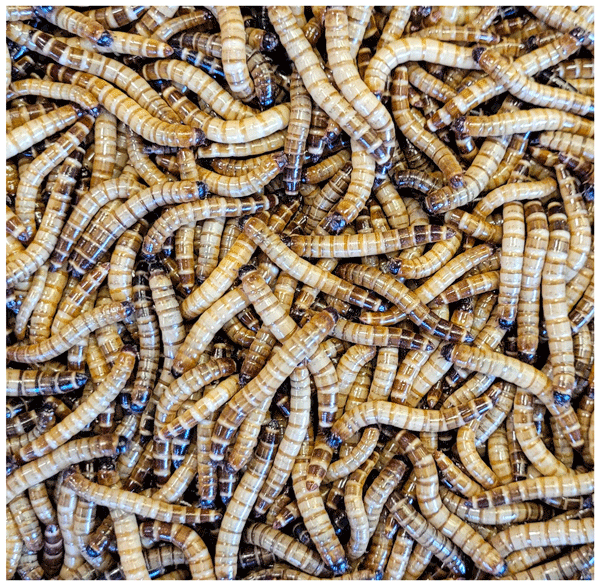
Artificial protein in the Capitalocene: Blade Runner 2049

This article approaches the alternative protein transition by noting with the EAT-Lancet Commission that the existing world-food-system is a main driver of global warming. Building on eco-feminist and eco-Marxist critiques of the world-food-system, the article notes how this system organizes not only agriculture, animal husbandry, logistics, diets, and markets across the planet, but also profoundly unjust social relationships. As the article observes, this state of affairs has been mapped by sociology and environmental history, but it is also a central concern to science fiction and climate fiction. The article adds to work on such texts by analysing Denis Villeneuve's Blade Runner 2049, a dystopian film that envisions a socially stratified future where the long history of extractive capitalism has led to the death of most non-human life. Thus, protein and other essential nutrients must be manufactured in vitro, and a shortage of labour has given birth to a new type of human life also grown in laboratories. The article argues that the film explores the border that separates artificially produced protein from conventional types and, in doing so, maps the worlds that may ensue if the transition to new types of protein is made to serve the same system as that which created the existing world-food-system. The article argues that the film comments on the alternative protein transition by depicting a future where this transition has served the needs of the capitalist world-food-system rather than the Earth system, but also by envisioning protein futures beyond the extractive violence that is destroying land and people in the present.
- Article
(2706 KB) - Full-text XML
- BibTeX
- EndNote


In the opening scene of Denis Villeneuve's film Blade Runner 2049 (2017), the protagonist, a police officer named simply “K”, flies over a grey landscape consisting of gigantic solar-panel arrays and what looks like lifeless farmland covered in plastic sheeting. Soon, this landscape gives way to a similarly dead, desert-like territory covered in dust and stone, dotted by odd, hermetically sealed buildings. The camera cuts to the inside of one of these buildings, revealing a large man in an industrial-looking greenhouse. He wears protective gear and stands knee-deep in organic sludge, sifting fat, pale nematodes through his gloved fingers. When he leaves the greenhouse and encounters K in the farmhouse, he explains that he is running a protein farm. Starvation has been staved off thanks to such “synthetic farming”. In this future, the audience understands, all food is artificial in the sense that it has to be produced in laboratories with the aid of a human workforce.
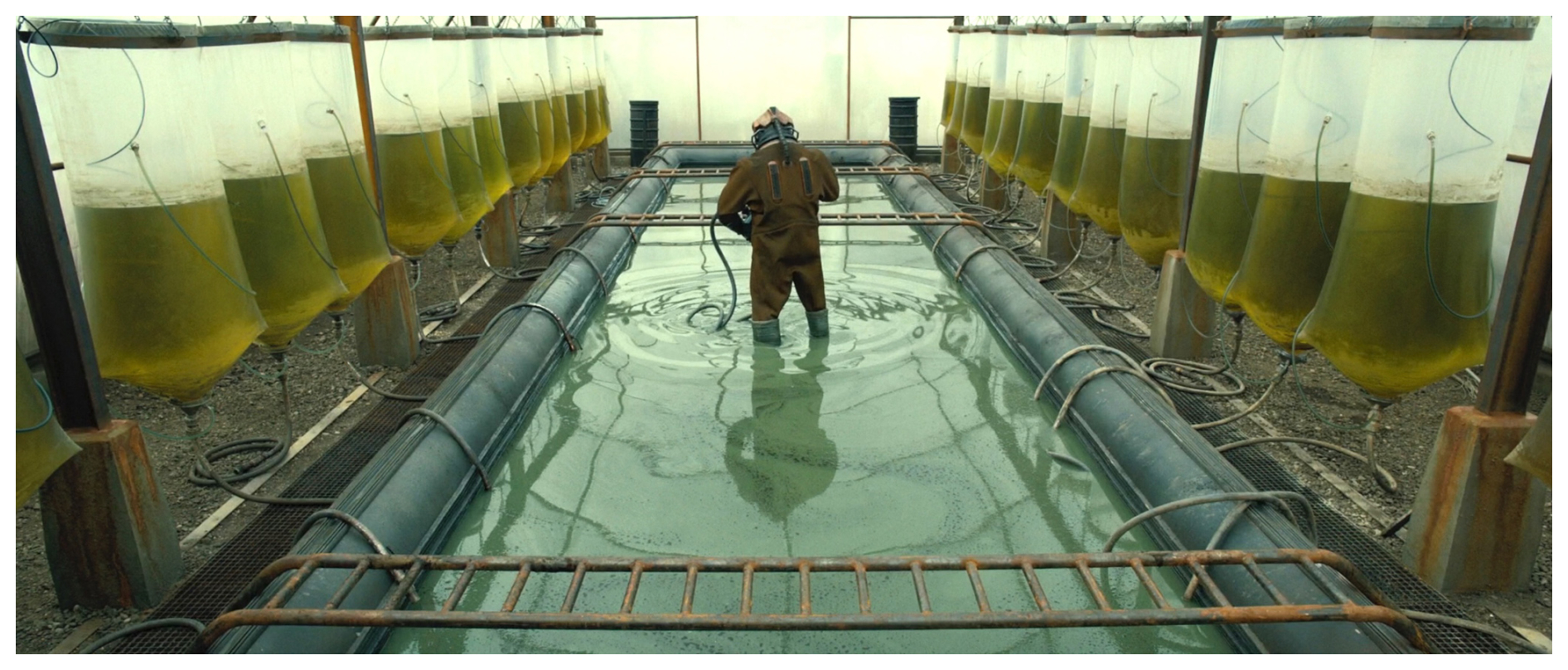
Figure 1Protein farm in Blade Runner 2049. (The image is a screenshot from the film and used in accordance with the fair use doctrine).
But K has not come for the grubs. He is interested in another, more advanced arrangement of proteins. Just like the grubs, the farmer is an artificial being, an escaped android or “replicant”, grown in a vat by the ubiquitous and immensely powerful Tyrell Corporation and employed as a soldier in wars that are fought over new colonies in space. Like some of the other replicants, he has since managed to escape to Earth, where he has integrated into existing human society. However, such unauthorized integration is forbidden. Thus, although intelligent, capable, and, according to all evidence, peaceful, the farmer is illegal. This is the reason why K has arrived at the farm. He is a “blade runner” tasked with euphemistically “retiring” such escaped, illegal beings. For obvious reasons, the farmer does not want to be retired and puts up a fight. K is surprisingly resilient; he beats the farmer to the ground and then shoots him twice with his handgun, but not before the farmer asks him: “How does it feel, killing your own kind?” The audience understands at that moment that K is also a gathering of artificially produced protein, a form of life that, in the eyes of the society in which he exists, is artificial and thus less than human.
By exploring life in a dystopian future altered by the joint breakdown of social and ecological worlds, Blade Runner 2049 joins a considerable body of science fiction (sf) texts often referred to as climate fiction (cli-fi). This has been described as a mode of writing that provides readers with an affective access to futures transformed in accordance with the predictions of the Intergovernmental Panel on Climate Change (IPCC) (Andersen, 2020). Early scholarship on cli-fi, including Adam Trexler (2015) and Amitav Ghosh (2016), tends to understand the mode as a form of writing that warns “humanity” of the suffering that ignoring climate change will bring. The scholarly engagement with cli-fi texts has significantly broadened following sociological and historical interventions that problematize the assumption that the biospheric crisis has been produced by all people in equal measure and that project the climate crisis into a still unrealized future. Much of this new work (Whyte, 2018; Hsu and Yazell, 2019; Duncan, 2022; Milner and Burgmann, 2020, Death, 2022; TallBear, 2023, Höglund, 2024) thus acknowledges that the breakdown of social and ecological worlds has been very unevenly distributed within societies and across the planet and that the social and environmental changes that are predicted to affect Europe and North America in the future have long been lived realities for Indigenous peoples and for many other people living in the peripheries of the world-system.
As scholarship has demonstrated, cli-fi makes use of markers that convey drastic change to the Earth system, including drought, forest fires, extensive flooding, and sea-level rise. In these texts, such changes are typically linked to large-scale transformation of human society, including increasing inequality, the rise of fascist or feudal politics, war, and the breakdown of national and regional borders. Importantly, in most cases, such images of wide-ranging socio-ecological breakdown are also accompanied by depictions of food scarcity and food insecurity and by descriptions of how people in the future try to come to terms with the lack of food. Such focus on food and the food system is appropriate, since food is, as the EAT-Lancet Commission has observed (Rockström et al., 2025), one of main drivers of planetary-wide, socio-ecological breakdown. Thus, there are a number of studies that have explored how sci-fi and cli-fi imagine the lack of food (Wain and Jones, 2018; Harper, 2022; Löwe and Planka, 2024), new types of food and new ways of eating (Retzinger, 2013; Maughan, 2018; Botelho et al., 2019; Castle and Macdonald, 2022; Höglund and Salmose, 2024), and the food system (Nuñez, 2016; Castle, 2022b) in worlds altered by the biospheric crisis, by social transformation and decline, and by the turn to what nutrition science has termed “novel foods” (Mazac et al., 2022).
Of particular relevance to this article is work that focuses on how sf narrates the introduction of artificial meat, grown in vitro (Nye, 2020; Castle, 2022a). As Castle (2022b) notes, sf is “a particularly effective method” (Castle 2022a:149) of exploring attitudes and ethical dilemmas connected to artificial meat. Thus, at a time of multiple and cascading crises (Albert, 2024), and in view of the “weird” (Turnbull et al., 2022) or “wordless” (Dekeyser, 2023) future geographies these crises may engender, it is important to consider such texts in relation to what Patel (2013), Campbell et al. (2021), and Cheong (2024) call the word-food-system and that Jason W. Moore (2015) refers to as the capitalist world-ecology. This is, as discussed in more detail below, a system that emerged out of the early capitalist and colonial project and that today governs key food relations such as “industrial meat, GM technology, processed foods and global food governance” (Cheong, 2024:7). It is also a system that has been central to the shaping and reshaping of categories such as gender, race, and class, from the biological racism that legitimized the enslavement of plantation workers to the “housewification” (Mies, 1986) of women during the nineteenth century.
The connection between narrative, the world-food-system, and the making of landscapes is of interest not only to sf scholars. To locate this article in relation to the interdisciplinary field of geology, the fact that film and literature register, promote, and/or resist the extractivist reshaping of the planet is important. Because fiction does such work, it is necessary, as Deborah P. Dixon observes in Feminist Geopolitics (2015), to recognize “culture as a geologic force” (16). Human and cultural geography has, of course, long studied how landscapes are shaped not just by (natural or unnatural) events and projects – from volcanic eruptions and oil spills to soy and palm oil plantations – but also by the stories that rationalize or resist such projects. Also considering this relationship between environment making and culture, the emerging field of geohumanities has begun exploring concerns central to geology via theories and methodologies developed in the humanities. One strand of this rich new field explores how culture is shaped by and mediates the dark geological futures that an extractivist relationship to land is likely to produce. Thus, Kolson Schlosser (2022) has studied how geographers have approached literary cli-fi in an attempt to understand how such “fiction and the lived, material world both produce and are produced by each other” (378). Similarly, Chris Maughan (2019) has studied British author Ian McEwan's cli-fi novel Solar as a story about collective responsibility as “a frontier of the politics of climate change” (18). As Hawkins et al. (2015) argue, such geohumanities work has opened up geology not just to new “possibilities, practices, and publics” (211), but also to a new “politics” that encourages research that actively promotes change while at the same time asking the researcher to “unsettle” the “knowledge hierarchies” (216) that have tacitly structured the field of geology.
This article contributes to such geohumanities scholarship by studying how Blade Runner 2049, as a text set in a world ruined by the world-food-system, explores the turn to artificial protein. The article investigates the film as a text that communicates a profound ambivalence towards artificially grown protein as food and as (human) animal bodies. Moreover, following the aforementioned turn in sf and cli-fi studies to acknowledge the uneven nature of socio-ecological breakdown and the skewed temporalities inherent in Eurocentric climate discourse, the article locates such ambivalence in relation to the film's furtive engagement with the world-food-system and the gendered and racialized capitalist history of this world-food-system. In what follows, the article first introduces historical and sociological work that connects wide-ranging socio-ecological breakdown to the emergence and development of the capitalist world-food-system. This section introduces the concepts of capitalist world-ecology, cheap nature and commodity frontiers central to the work of environmental historian Jason W. Moore (2015), and it pays particular attention to the role that the production of animal protein has played in the development of this world-ecology and for the present socio-ecological crisis. This section also centres the work that has been done by scholars such as Maria Mies and Vandana Shiva (1993), Val Plumwood (2002), Donna Haraway (2016), and Karen Yusoff (2018) who, like Moore, challenge the Eurocentric and sexist climate discourse and demonstrate how the establishment of unsustainable ecological/economic systems remains dependent on racial and gendered hierarchies. This history and ongoing development constitute the background for the analysis of Blade Runner 2049 as a text that employs the concept of artificial protein to interrogate precisely these relationships. In this way, while focusing on a rich sf text, the article is ultimately not just about this film, but about how the affordances of the film medium are brought to bear on the material history and future of edible protein at a time of uneven planetary-scale crisis.
After having dispatched the runaway replicant, K gets back into his transport to journey back to the Los Angeles Police Department (LAPD) headquarters. He has received a cut on his arm, and his face is bloody after the fight, but the reaction from his commanding officer is unsympathetic. In her eyes, K is a tool of extraction, but also somehow an entity responsible for the injuries he sustains. This is the first evidence of the fact that the society K inhabits is characterized by a hyper-charged neoliberalism that tries to manage socio-ecological exhaustion by cutting costs. As the film progresses, this vision of the future as structured by the needs of a struggling capitalist order comes into increasingly clear focus. This is a world where the hyper-rich are either heading towards colonies in space or occupying vast and lavish mansions isolated from the dark, rain, and pollution outside. In other parts of the city, an embattled and shrinking middle class rubs shoulders with the very poor who huddle unemployed in abandoned and dilapidated inner-city housing. The world outside the city is in an even worse state. Monitored by militarized, corporate drones, violent raiders prey upon the occasional traveller while impromptu orphanages gather, exploit, and sell unwanted children: the only type of animal life that appears to still be abundant on the planet.
By calling the audience's attention to how severely stratified this future is, the film clearly connects the ecological collapse it records to wide-ranging social breakdown. K inhabits a world that understands not only artificial humans such as K, but all disenfranchised people – children, the poor – as extractable commodities, property, expendable labour, and waste (Bauman, 2004). By bringing extractivist capitalist relationality to the fore, the film thus narrates planetary-scale, socio-ecological breakdown as capitalogenic rather than anthropogenic. As Alexander Bove (2021) and Domietta Torlasco (2022) have argued in somewhat different ways, Blade Runner 2049 can thus be described as a narrative about what Moore (2015) has termed the Capitalocene. This is because the film makes clear that what has brought on the profound societal and environmental collapse the audience encounters are the oligarchal corporations that have found a way to commodify even the horrific demise of the biosphere.
Moore proposed the Capitalocene concept in an attempt to disrupt and critique the dominant concept of the Anthropocene (Moore, 2016a). In ways similar, although certainly not identical, to sociologists and historians such as John Bellamy Foster (1999), Andreas Malm (2016), and Hannah Holleman (2018), Moore has argued that the biospheric crisis has not been produced by humanity as a species, as the Anthropocene concept suggests.1 Rather, this crisis is a by-product of the extractive capitalist project initiated by European agents in the late sixteenth century. Moore's argument is not simply that capitalism has done violence to the environment over a long period of time. Modifying the seminal work of Immanuel Wallerstein (1974), he renames the capitalist “world-system” as the capitalist “world-ecology” (Moore, 2011, 2015). This world-ecology can be concisely defined as “a world-historical matrix of human- and extra-human nature premised on endless commodification” (Moore, 2011). As this definition reveals, Moore's argument is that capitalism has not simply transformed economic and social geographies across the world; it has also re-organized the ecological world, and, in doing so, it has been reshaped by what it has made. Thus, capitalism does not simply work on nature, it works through nature and has become an integral part of nature. This understanding problematizes the widely circulated, but simplistic, assumption that ecological breakdown produces social injustice and suffering. Rather, social injustice and ecological havoc are fundamentally entangled and co-produced.2
That social and ecological conditions have been, and remain, entangled is brought out by Moore's and other scholars' investigation of the “commodity frontier” (Moore, 2000; Conde and Walter, 2014; Berg, 2021) where what Moore terms “cheap nature” can be extracted (Moore, 2016b). The commodity frontier is essentially a site where a particular commodity (cotton, coal, beef, palm oil) is sourced for the market. Cheap nature, meanwhile, stands for “low-cost nature” in the sense that capitalist enterprise has always relied on, and taken advantage of, nature's “free gifts” (Battistoni, 2025). This noted, “cheap” also refers to how capitalism has tended to cheapen the labour performed by both the various non-human species that do the crucial work of nurturing the soil, metabolizing carbon dioxide, and keeping the Earth system functional3 and the lives of the people who provided (and provide) cheap or free labour.
As Moore acknowledges, the humans labouring for the capitalist world-ecology have always been profoundly gendered and racialized. In fact, the categories of race and gender that today inform social relations have been described as products of the modern world-system. As Mies (1986), Mies and Shiva (1993), and Plumwood (2002) have importantly proposed, the reorganization of the planet into a capitalist world-system literally feeding Europe relied on the dismantling of the autonomy of women and Indigenous people whose labour was extracted for free, very cheaply, or via enslavement. Thus, women were made to perform socially reproductive labour for free, and in addition to this, they were cast as extractable nature within a Western nature–culture dualism. Similarly, Katrin Yusoff (2018) has demonstrated how the making of the modern (and now eroding) world – including the discipline of geology used to map it – was premised on transatlantic slavery and the racist ideologies that sanitized this system. Also centring on this history, Indigenous scholars Zoe Todd (2015) and Kyle P. Whyte (2017, 2018) have proposed that the colonial and capitalist project that collapsed Indigenous worlds in America during the second half of the millennium is also what is ruining the biosphere in the present.
These interventions bring out different material and epistemological aspects of the entangled social and ecological breakdown of the planet and its people, and there is sometimes tension between, for instance, the centring of multispecies life making in Haraway's oeuvre and the focus on racialized slavery in Yusoff's work.4 Without trying to dismiss such tensions, it can be said that these engagements share the understanding that the present crisis is a consequence of more than 400 years of capitalist/colonial material and ideological relations. Taken together, they provide a complex understanding of how these relations co-produce the world and how the denigration of women, people of colour, the working class, and the multispecies connections that keep the Earth system operational has contributed to the present crisis.
To return to the origins of what Moore calls the capitalist world-ecology, food is key to understanding the establishment of the first commodity frontiers and the rise of cheap nature. If this world-ecology began to take shape with the discovery of what Europeans thought of as the New World and gained its first global form in the triangular trade that transported money and trade items from Europe to West Africa, enslaved people from West Africa to America, and sugar, molasses, rum, tobacco, rice, fish, and coffee from America back to Europe, food was, as Immanuel Wallerstein (1974) and Sidney W. Mintz (1986, 1997) have demonstrated, the main driver of this early development. While other commodities entered this circulatory system – cotton, coal, iron, gold, oil, and so forth – in the nineteenth century, food remained central to its function as both a commodity and an accelerator of cheap labour. As an example, Campbell et al. (2021) have observed that “sugar and other plantation products such as coffee, cocoa, as well as tea from India and China, served as low-cost, high-energy food substitutes that helped cheapen the living costs of the metropolitan working classes” (3) that were essential to the industrial project.
The importance of food, and of food commodity frontiers, to the growing world-ecology thus critically contributed to the profound transformation of land, soils, lakes, seas, regions, societies, and bodies across the planet. At the same time, food and its frontiers drastically changed how people inhabited and interacted with nature. In America, millennia-old and sustainable relationships to land practised by most Indigenous people were eradicated to make room for the new, erosive “strange industrial order” (Tilley, 2020) of the monocrop plantation. Since then, this development has only accelerated so that, in the present, rainforests and other biodiverse environments across the world are being replaced by palm oil forests, soy plantations and cattle ranches, and the social regimes and (food) cultures that make such spaces possible (Haiven, 2022).5
While the growing of oilseeds such as palm oil and other cash crops such as coffee, tobacco, cocoa, pineapple, bananas, and soybeans on plantations contributes significantly to the rupturing of biodiversity across the planet (Carlson and Garrett, 2018; Savilaakso et al., 2014), it is the production of protein sourced from animals – meat but also dairy products – that causes the most significant damage today. As the EAT-Lancet Commission (Willett et al., 2019, Rockström et al., 2025) and a host of related climate studies (Hedenus et al., 2014; Stoll-Kleemann and Schmidt, 2017; Grossi et al., 2019; Parlasca and Qaim, 2022) observe, the cattle industry is a main driver of global warming and of other ecologically destructive processes. Indeed, if sugar, tobacco, cocoa, and rice fuelled the early makings of the world-ecology, animal protein is central to the social and ecological violence this system performs in the present.
This protein economy became important to the working of the burgeoning world-ecology with the introduction of livestock into America in the seventeenth century (Ficek, 2019). It was further energized with the invention of canning, freezing, and refrigerated transportation in the nineteenth century, and it exploded after the Second World War when pesticides and chemical fertilizers made possible a more extractive relationship to land, when antibiotics enabled much more intensive farming of animals (Kirchhelle, 2018), and when US global military and cultural hegemony opened up new portions of the world to capitalist enterprise. In the years that followed the war, and encouraged by the emerging fast-food industry, meat consumption rose significantly in all parts of the world (Smil, 2002; Penfold, 2012) while at the same time drastically altering the species ratio of the planet. According to an often-cited study by Bar-On et al. (2018), it is estimated that 60 % of all mammals on the planet are domesticated livestock such as pigs and cows. These are species that have been drastically transformed over a long period of time, becoming little more than protein machines (Galusky, 2022; Knapp, 2023). Of the remaining 40 % of mammals, humans represent 36 %, while wild animals stand for a mere 4 %. Similarly, according to the same study, the biomass of poultry such as chicken (another species thoroughly altered to serve the needs of the capitalist world-ecology) is roughly 3 times that of wild birds.
To manage the ill effects of the existing, animal-based protein economy, an alternative protein transition is underway. Thus, protein is now derived from plants and fungi, produced by cultivating hydrogen-oxidizing bacteria in the atmosphere using solar power (Turrell, 2023), and cultured in-vitro (Hocquette, 2016). This creates a new set of problems. It is yet to be determined if alternative protein sources are as nutritious as conventional, animal protein (Gorissen et al., 2018). It is also not a given that the culturing of protein-rich alternatives such as soybeans is sustainable and conducive to a more equitable world or that the production of artificial, in vitro-cultured meat is ethical (Bhat et al., 2019; Schaefer and Savulescu, 2014). In addition to this, there is considerable debate on how farmers and the market are producing and marketing alternative protein sources. In North America and Europe, there is thus a well-documented resistance to the introduction of the plant-based meat surrogates or in vitro types of meat (Onwezen et al., 2024) that are essential to this transition.
These issues, and especially the need to transition to a sustainable food system (or food systems), become even more complicated and acute when considering Moore's claim that the world is approaching “the end of Cheap Nature” (Moore, 2016b). The law of cheap nature decrees that commodity frontiers are worked until they cannot yield nature cheaply any longer. When this occurs, the frontier collapses. It can be revitalized through relocation, and the space itself can become the site of a different frontier. However, during the past few decades, these strategies have begun to falter. The “low-cost frontiers of production” that enabled the early development of the world-ecology are being replaced with “very high-cost frontiers” (Moore, 2016b). This is not the end of nature or ecology as such, but it is the end of an Earth system capable of yielding nature so cheaply that it effectively services a world-system premised on continuous growth. In the present, this decline is managed with the help of a neoliberal gig economy that relocates the responsibility for human lives from society to the individual (Vallas, 2019; Hill, 2015), technologies such as fracking (Short, 2020) that make it possible to extract oil and gas out of previously depleted energy commodity frontiers, and the creation of new intangible commodity frontiers where what is extracted is information rather than natural resources (Couldry and Mejias, 2019). Along with extractive incursions into new territories such as Greenland, these ventures may be able to prolong the durée of the capitalist world-ecology, but they are not, Moore asserts, capable of revitalizing the system in the long run (Moore, 2016b). Similarly, and importantly for this article, the alternative protein transition, if pursued as a new commodity frontier rather than as a pathway towards a different and more egalitarian food system, may just postpone or even intensify, rather than avert, future crisis. Thus, the alternative protein transition straddles the border that separates sustainable and egalitarian and socially just futures from a venture capitalist endeavour to commodify the urgent need to shift to a plant-based diet (Wurgaft, 2020).
Set at a time when the capitalist world-ecology has indeed become exhausted, and cheap nature has run out, this world-food-history is essential to Blade Runner 2049's exploration of protein futures. It is thus a film that takes place in what can be called the advanced Capitalocene, a future where nature as we know it has collapsed, the waste left behind has become commodified, all protein consumed is artificial, and many of the consumers are themselves synthetic. As the analysis below demonstrates, this stage affords a unique engagement with artificial protein and the impasse of the alternative protein transition.
After having been debriefed by his commanding officer, K is forced to undergo a humiliating procedure that proves he is still loyal. During this procedure, K is asked to recite his “baseline” into a contraption on the wall. This is an odd yet poetic gathering of words: “A sun of rubber was convulsed and set. And blood-black nothingness began to spin. A system of cells interlinked within cells interlinked.”6 The faceless interrogator then aggressively asks questions derived from this string of words, such as “What is it like to hold the hand of someone you love?” Rather than answering such questions, K responds “cells” or “interlinked”. This is obviously what the system needs to hear to certify his loyalty. At the same time, however, it is also a description of what the judicial apparatus of this future insists that he is: a bundle of cells interlinked with the system. As long as he remains loyal, he is allowed to keep labouring for this system.
Once the debriefing is over, K walks through corridors where human colleagues express their disdain for his being. “Fuck off, skin job”, a uniformed officer snarls threateningly, but K does not respond to the insult. He knows his place. Once released from the headquarters, he walks home through streets lit only by large, moving vehicles and commercials projected on the walls of skyscrapers. He finds his way to a dilapidated apartment building where old women in rags and tattooed thugs scream insults at him. He unlocks his apartment door – covered by the words: “FUCK OFF SKINNER” – and escapes into relative tranquillity. The apartment is not large, but it is clearly a haven to K. He showers, glues his wounded arm together, and begins to make himself a meal.
From the perspective of the alternative protein transition, the scene that follows is particularly informative. K pours water into a pot, brings it to a boil and inserts what looks like a packet of noodles, but the contents expand into a grey, nondescript, gelatinous mass. This does not look much like food, and it may well be a derivative made from grubs like the ones grown on the farm he just visited. To make the scene even more puzzling, he makes his food while speaking to an invisible young woman who claims to be the one cooking. K moves his bowl to a table in the living room and asks the woman “not to fuss”. At this disorienting moment, a woman suddenly appears as a hologram projected from a contraption in the ceiling. This is Joi, K's holographic AI girlfriend, and she is wearing the outfit of a 1950s housewife: blouse, skirt, and apron. She is also carrying a holographic plate containing French fries, a green salad, and a large steak. She leans over the bowl of food made by K and puts the projection on top of it.
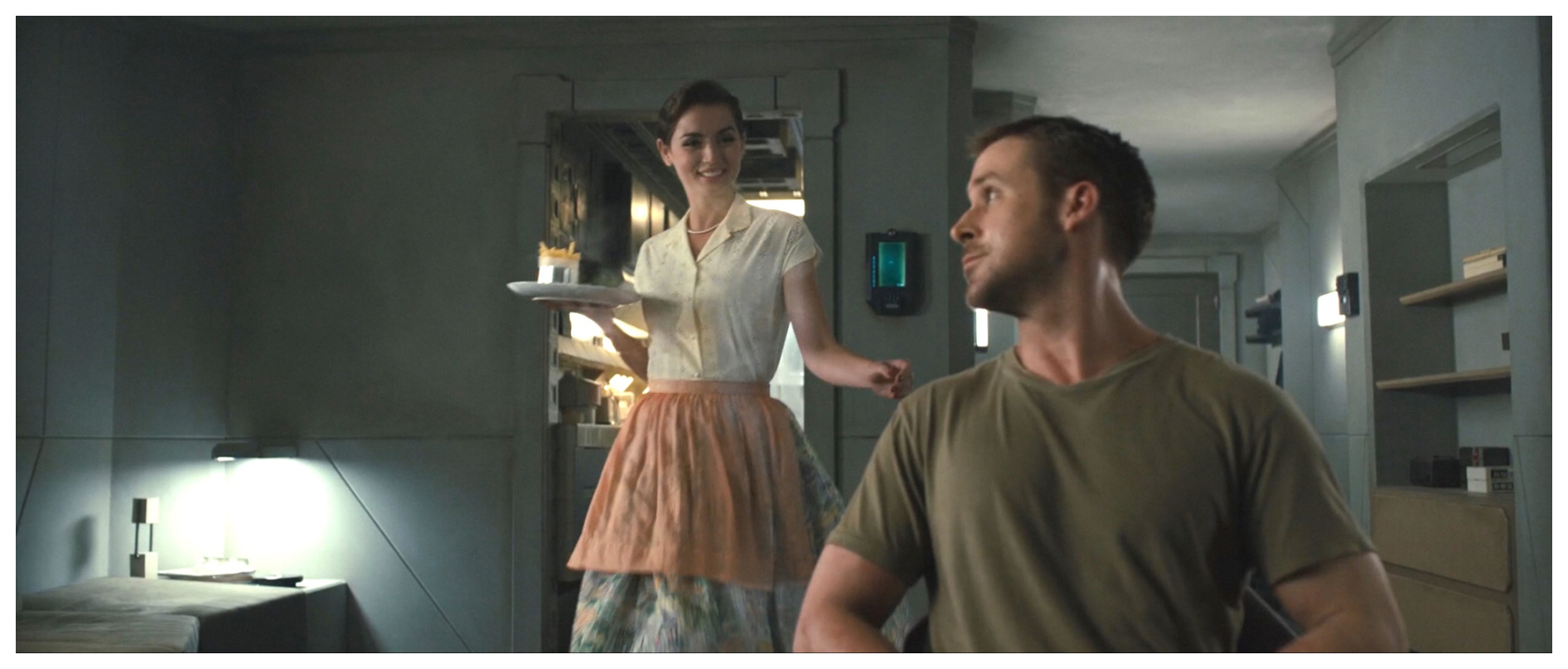
Figure 2Joi serving a holographic dinner to K. (The image is a screenshot from the film and used in accordance with the fair use doctrine).

Figure 3The holographic plate transposed upon the bowl of artificial food. (The image is a screenshot from the film and used in accordance with the fair use doctrine).
The animal and plant life that yields this type of food went extinct a long time ago. Even so, K's holographic girlfriend has clearly been programmed to imagine that this is the type of food K desires. Indeed, it can be argued that by projecting the image of the steak and French fries onto the bowl that the meal becomes food. If food, as Claud Fischler (1988) has argued, always takes shape in relation to a cultural history, the bowl does not become food until it is connected to a particular culinary tradition. In this case, the food projection and Joi's dress locate K's meal in relation to a nostalgic and profoundly unjust tradition of consumption. Thus, the food looks back towards an imagined utopian past of unbridled protein consumption. A crucial point here is that the large slab of red meat and the deep-fried potatoes are central components of the foodways that the EAT-Lancet Commission has termed the Western diet. As described above, this is the very diet that the capitalist world-food-system enabled and spread across the planet. As also argued, this diet was made possible via the seizure of land that had not been exhausted by centuries of farming and by the emergence of new forms of classed, gendered, and racialized relationships and modes of eating. When Joi approaches the table wearing the dress of a post-World War II housewife, she performs the moment when this specific masculine and carnivorous diet went truly global. The scene thus draws attention to the fact that the dystopia these artificial beings struggle to inhabit has come about precisely because of the profoundly interlinked economic, gendered, classed, and racialized inequities that the beef represents. Despite being artificial entities, K and Joi do not, in this sequence, seem to be able to escape the desires that are connected to this violent history. The society they inhabit has indeed transitioned to a different type of protein, yet the old system, and the desires it has orchestrated, remains ubiquitous as a cultural imaginary.
The food sequence provides a key to understanding artificial protein in the rest of the film. After his dinner with Joi, K is called back to the police department and sent to investigate the surroundings of the protein farm where he killed the replicant farmer. A drone has scanned the area and discovered a casket buried underneath a long-dead tree. They unearth the casket and find that it contains the skeletal remains of a woman who has at some point given birth to a child. This observation does not cause concern until a serial number is discovered on one of the bones. This woman was not human but another replicant. Because replicants cannot reproduce like humans, this is cause for great concern. The capacity to give birth is considered a human trait: the thing that separates humans from replicants. “To be born is to have a soul, I guess”, K says, a statement that suggests he believes he lacks such a soul. His commanding officer is very invested in the need to keep the border that supposedly separates authentic humans from artificial ones intact. She says: “The world is built on a wall. It separates kind. Tell either side there's no wall, you bought a war. Or a slaughter.” In other words, if replicants are able to reproduce themselves, they are suddenly a species rather than a commodity. If this occurs, the logic that makes it possible to cheapen their lives may falter. Grasping this, they may rise, possibly alongside other disenfranchised groups.
K is tasked to obliterate all traces of the existence of this replicant. He has been designed to be loyal, so he undertakes the assignment, even if it means killing the replicant child that the woman in the casket must have given life to. His investigation leads him to an orphanage located within a junkyard so immense it is essentially a feature of the landscape. Inside the orphanage, children, heads shaved and dressed in rags, are picking old electronics apart, mining them for nickel and other metals used to build the spaceships that take the affluent to less exhausted worlds. It is a horrific place, but K is not there to shut it down, but to see if the child was once a resident here. Walking through the immense junkyard, he is suddenly overcome by memories of how he, as a child, ran from bullies with a toy horse in his hand and how he hid it in the ash of a disused furnace. Are these memories artificial or are they real? To his great consternation, he finds both the furnace and the toy.
This does not mean that he was once a child. He knows that replicants receive pre-programmed memories to make them more pliant. To find out if his memories are real, he travels to the most skilled memory maker in the city. She explains, “If you have authentic memories, you have real human responses.” However, K does not think his memories have been implanted. They seem too real to him. If they are his own, he is the child he has been sent to kill, a replicant born. If he has been born, he is truly the beginning of a species rather than simply another cheap artificial and disposable bundle of protein grown in a vat by a capitalist corporation. Joi encourages him to think about himself as born, not made. Despite being a virtual commodity, she appears capable of profound empathy, even of a certain radical resistance. Joi urges him to find proof that he is different. In doing so, she also assists him in deviating from his baseline, in ceasing to be a loyal bundle of cells interlinked with the system.
K is not the only one looking for the lost child, however. Niander Wallace Jr., head of the powerful Wallace Corporation, is also searching for this individual. To Wallace, the discovery of a replicant capable of giving birth is not the end of the replicant-human divide, but a remarkable business opportunity. Wallace currently grows his replicants in vats and decants them when they are fully matured. A key scene in the film shows Wallace assisting in the decanting of a new female model. This new artificial being hangs suspended in a transparent sack filled with fluids until the sack breaks and the woman tumbles to the floor, where she draws her first, shuddering breath. Wallace examines her with the help of minuscule drones that hover around her trembling body. He needs them because, as his milky white irises testify to, he is effectively without eyesight.

Figure 4A new replicant before decanting. (The image is a screenshot from the film and used in accordance with the fair use doctrine).
The growing of replicants in these sacks is an enormously lucrative business, but it is still time-consuming and costly, and the space colonies he supplies are asking for billions of efficient serfs. If Wallace can find the child and dissect it, he may be able to figure out how to make replicants that can reproduce themselves. This will allow him to satisfy the rapidly growing demand. It goes without saying that Wallace understands the bundles of human protein he cultures as property. Like emperors of old, he couches this capitalist understanding of the world and its beings in civilizational terms. “Every leap of civilization was built off the back of a disposable workforce”, he explains to his assistant. Unlike K's commanding officer, Wallace does not think that a replicant that can give birth will challenge the divide that exists between real and artificial humans. To him, replicants will always be, like the human children in the orphanage, expendable property. To demonstrate both the imminent need to create a fertile replicant and his utter disregard for this constellation of protein, he slices the barren belly of the replicant open. She cries out, unable to resist or even understand what is going on, before bleeding out on the floor. Wallace leaves the room, blind to her suffering. This blindness has nothing to do with his physical lack of eyesight and everything to do with his vision of the world and its various forms of life as resources within a still extractive world-system. Thus, Wallace envisions an alternative protein transition that is all about the establishment of new commodity frontiers, be they synthetic meat or synthetic bodies.
In Earth for All: A Survival Guide for Humanity (Dixson-Declève et al., 2022), the authors present a programme designed to avoid an accelerating biospheric crisis that will move the planet towards what has been termed tipping points (Lenton et al., 2019; Armstrong McKay et al., 2022) that, if reached, may spell the end not just of the existing world-food-system, but possibly of an Earth system capable of hosting organized human life. In line with the most recent IPCC reports, Earth for All envisions five policy points. One of them is about food and aims to ask that we make “our food system healthy for people and ecosystems”. However, the first three points focus on social justice issues: “ending poverty; addressing gross inequality; empowering women” (Dixson-Declève et al., 2022:26). Thus, the attempt to alter the extractive relationship that governs relations between world-system actors and the planet must begin with an effort to shift unjust global social relationships to perform an “essential reboot of civilization's guiding rules before the system crashes” (Dixson-Declève et al., 2022:29).
Blade Runner 2049 imagines a future where the system has indeed crashed. As I describe in my analysis, it explores the relationship between this crash and endemic inequality and poverty, it focuses the role that the food system has played in the history of the world-food-system, and it investigates the transition to alternative sources of protein. Via the key food scene, the film evokes a moment where the forced adaptation of an artificial protein diet comes across as tragic not simply because this new diet lacks context, but because of the programmatic and systemic inability of this future society to move beyond old and fundamentally exhausted and exhausting food traditions. The projection of (extinct) beef onto a bowl of artificial protein is thus a pointless celebration of the very diet that has brought on the systemic, and still unfolding, crash. In addition to this, and importantly, this ritual also contains a performance of destructive gender stereotypes where the male consumer is invited to devour both the (edited) food and the domesticated and sexualized femininity of the entity that virtually provides it.
As part of its critique of extractive capitalism, Blade Runner 2049 connects outdated gender stereotypes to similarly outdated and destructive diets. Thus, the film furtively explores new ways of eating and new relationalities. At the same time, the scene illustrates how difficult it is to embark on the road this map furnishes. To do so would be to abandon not simply old diets, but also the gendered (and racialized and classed) modes of being that inform prior diets. In addition to this, the film imagines that not only food, but also a significant portion of life on the planet has become manufactured and thus artificial. By doing so, the film not only encourages its audience to think about what the transition to alternative protein means for human beings, it also observes that all humans are bundles of protein whose lives are directed by the logic of the existing capitalist word-ecology. Thus, when K's commanding officer insists that there is an unsurmountable wall between artificial and real bundles of human protein and tasks K with keeping it so, she provides an understanding of how and why global society struggles to receive new modes of being. When Wallace desires to create artificial human life that can self-reproduce only so that he can commodify such beings, we discern another level to the extractive logic that forms the foundation on which he and the system he represents stand.
By bringing these tensions to the surface, Blade Runner 2049 registers alternatives to the Cartesian binaries that structure not only the division between the real and the artificial, but also the relationship between the modern human and the planet. K knows from experience that the world he inhabits is racist, sexist, and fundamentally extractive. Thus, when he finally abandons the project of destroying the born replicant (whether this is himself or not), he also embraces the possibility that his very inauthenticity is a door to a world premised on other relationships than those furthered by Wallace and the extractive, hyper-capitalist society he represents. The fact that K is an artificial bundle of proteins thus becomes a condition for future change rather than a barrier. It makes it possible for him to imagine or enact a different type of relationality. Indeed, the most human characters of the film are those who do not maintain the system by lending their energies to further extracting the human, social, and ecological resources of the planet or by escaping into a space colony, but those who shed their loyalty to the system. Thus, Blade Runner 2049 ultimately casts artificial protein as a gateway leading to worlds beyond the extractive paradigm that is destroying land and people in the present.
While this ending is far from utopian, Blade Runner 2049 resists the postapocalyptic or systematically violent resolutions that characterize much dystopian sf, from Cormac McCarthy's The Road (2006) to Nicholas Sansbury Smith's Hell Divers series (2016–2025).7 These are stories that offer no hope and no future apart from an increasingly awful slog through a world ruined beyond repair. At the same time, Blade Runner 2049 does not offer practical geopolitical strategies for managing the collapse of social and ecological worlds in the way that cli-fi texts such as Kim Stanley Robertson's The Ministry for the Future (2020) or Nick Fuller Googin's The Great Transition (2025) do. What it does provide, however, is, similarly to Margaret Atwood's Oryx and Crake (2003) or Paulo Bacigalupi's The Windup Girl (2009), a scathing critique of the capitalist world-food-system. However, unlike these literary texts, it employs the affordances of the moving image to provide a complex engagement with artificial protein as both an alternative type of food and as a building block central to future being. This is an engagement that warns that the alternative protein transition may be a pathway to an even darker future than the one the planet is currently heading towards. But the film also demonstrates that the problem is not the endeavour to transition as such; it is the forces that guide the process.
No data sets were used in this article.
The author has declared that there are no competing interests.
Publisher's note: Copernicus Publications remains neutral with regard to jurisdictional claims made in the text, published maps, institutional affiliations, or any other geographical representation in this paper. The authors bear the ultimate responsibility for providing appropriate place names. Views expressed in the text are those of the authors and do not necessarily reflect the views of the publisher.
I want to thank the members of the research cluster for Ecology, Culture and Coloniality (ECCo) at Linnaeus University for valuable comments on drafts of this article and the Linnaeus University Centre for Colonial and Postcolonial Studies for providing a vital forum for discussions about climate and food justice in late-capitalist society.
This research has been supported by the Swedish Research Council Formas (grant no. 2021-01738) (https://www.vr.se/english/swecris.html#/project/2021-01738_Formas, last access: 30 October 2026).
This paper was edited by Alexander Vorbrugg and reviewed by three anonymous referees.
Albert, M. J.: Navigating the Polycrisis: Mapping the Futures of Capitalism and the Earth, MIT Press, Cambridge MA, https://doi.org/10.7551/mitpress/15041.001.0001, 2024.
Andersen, G.: Climate Fiction and Cultural Analysis: A New Perspective on Life in the Anthropocene, Routledge, London, ISBN 978-0-429-34249-3, 2020.
Armstrong McKay, D. I., Staal, A., Abrams, J. F., Winkelmann, R., Sakschewski, B., Loriani, S., Fetzer, I., Cornell, S. E., Rockström, J., and Lenton, T. M.: Exceeding 1.5 C global warming could trigger multiple climate tipping points, Science, 377, eabn7950, https://doi.org/10.1126/science.abn7950, 2022.
Bar-On, Y. M., Phillips, R., and Milo, R.: The biomass distribution on Earth, P. Natl. Acad. Sci. USA, 115, 6506–6511, https://doi.org/10.1073/pnas.1711842115, 2018.
Battistoni, A.: Free gifts: Capitalism and the politics of nature, in: Free Gifts, Princeton University Press, Princeton, ISBN 9780691263465, 2025.
Bauman, Z.: Wasted lives: Modernity and its outcasts, Polity Press, Cambridge, ISBN 9780745631646, 2004.
Berg, M.: Commodity frontiers: concepts and history, J. Global Hist., 16, 451–455, https://doi.org/10.1017/S1740022821000036, 2021.
Bhat, Z. F., Morton, J. D., Mason, S. L., Bekhit, A. E. D. A., and Bhat, H. F.: Technological, regulatory, and ethical aspects of in vitro meat: A future slaughter-free harvest, Compr. Rev. Food Sci. F., 18, 1192–1208, https://doi.org/10.1111/1541-4337.12473, 2019.
Botelho, T., Gomes, M. R., and Reis, J. E.: Utopian Foodways: Critical Essays, University of Porto Press, Porto, ISBN 978-989-746-242-9, 2019.
Bove, A.: What Happens When the Replicants Become Extimate? On the Uncanny Cut of the Capitalocene in Blade Runner 2049, Lacanian Perspectives on Blade Runner 2049, 139–165, https://doi.org/10.1007/978-3-030-56754-5_8, 2021.
Boyd, J. and Banzhaf, S.: What are ecosystem services? The need for standardized environmental accounting units, Ecol. Econ., 63, 616–626, 2007.
Campbell, C., Niblett, M., and Oloff, K.: Introduction: Plotting the Crisis – World-Literature, World-Culture, and the World-Food-System, Literary and Cultural Production, World-Ecology, and the Global Food System, 1–17, https://doi.org/10.1007/978-3-030-76155-4_1, 2021.
Carlson, K. M. and Garrett, R. D.: Environmental impacts of tropical soybean and palm oil crops, in: Oxford Research Encyclopedia of Environmental Science, edited by: Shugart, H., https://doi.org/10.1093/acrefore/9780199389414.013.234, 2018.
Castle, N.: In Vitro Meat and Science Fiction: Contemporary Narratives of Cultured Flesh, Extrapolation, 63, 149–179, https://doi.org/10.3828/extr.2022.11, 2022a.
Castle, N.: Food futures: food, foodways, and environmental crisis in contemporary science fiction, Doctoral Dissertation, University of Warwick, http://wrap.warwick.ac.uk/177329 (last access: 30 October 2026), 2022b.
Castle, N. and Macdonald, G.: Introduction: Food Futures, Science Fiction Studies, 49, 209–216, https://doi.org/10.1353/sfs.2022.0021, 2022.
Cheong, K. W. A.: The Alimentary Unconscious: Science Fiction and the World-Food-System in the Capitalocene, University of Exeter, https://ore.exeter.ac.uk/articles/thesis/The_Alimentary_Unconscious_Science_Fiction_and_the_World-Food-System_in_the_Capitalocene/29807429?file=57158777 (last access: 30 October 2026), 2024.
Conde, M. and Walter, M.: Commodity frontiers, in: Degrowth, edited by: D'Alisa, G. Demaria, F., and Kallis, G., Routledge, London, 71–74, https://doi.org/10.4324/9780203796146, 2014.
Couldry, N. and Mejias, U. A.: The Costs of Connection: How Data Are Colonizing Human Life and Appropriating It for Capitalism, Stanford University Press, ISBN 9781503603660, 2019.
Davis, J., Moulton, A. A., Van Sant, L., and Williams, B.: Anthropocene, Capitalocene, ... Plantationocene?: A Manifesto for Ecological Justice in an Age of Global Crises, Geography Compass, 13, e12438, https://doi.org/10.1111/gec3.12438, 2019.
Death, C.: Climate fiction, climate theory: Decolonising imaginations of global futures, Millennium, 50, 430–455, https://doi.org/10.1177/03058298211063926, 2022.
Dekeyser, T.: Worldless futures: On the allure of “worlds to come”, T. I. Brit. Geogr., 48, 338–350, https://doi.org/10.1111/tran.12579, 2023.
Dixon, D. P.: Feminist geopolitics: Material states, Ashgate Publishing, Farnham, ISBN 978-1-409-45546-2, 2015.
Dixson-Declève, S., Gaffney, O., Ghosh, J., Randers, J., Rockström, J., and Stocknes, P. E.: Earth for all-A survival guide for humanity: a report to the Club of Rome, New Society Publishers, Gabriola Island, ISBN 20220274843, 2022.
Duncan, R.: Gothic in the Capitalocene: Imagining World-Ecological Crisis from the South African Postcolony, in: Dark Scenes from Damaged Earth: The Gothic Anthropocene, edited by: Edwards, J., Graulund, R., Hoglund, J., University of Minnesota Press, 175–194, ISBN 9781517911232, 2022.
Ficek, R. E.: Cattle, capital, colonization: tracking creatures of the Anthropocene in and out of human projects, Curr. Anthropol., 60, S260–S271, https://doi.org/10.1086/702788, 2019.
Figueres, C.: Foreword, in: Earth for All: A Survival Guide for Humanity, edited by: Dixson-Declève, S., Gaffney, O., Ghosh, J., Randers, J., Rockström, J., and Stocknes, P. E., New Society Publishers, Gabriola Island, xvii-xviii, ISBN 20220274843, 2022.
Fischler, C.: Food, self and identity, Social science information, 27, 275–292, https://doi.org/10.1177/053901888027002005, 1988.
Foster, J. B.: Marx's theory of metabolic rift: Classical foundations for environmental sociology, Am. J. Sociol., 105, 366–405, https://doi.org/10.1086/210315,1999.
Galusky, W.: Protein Machines, Technology, and the Nature of the Future, Springer, Cham, https://doi.org/10.1007/978-3-031-08717-2, 2022.
Gorissen, S. H., Crombag, J. J., Senden, J. M., Waterval, W. H., Bierau, J., Verdijk, L. B., and van Loon, L. J.: Protein content and amino acid composition of commercially available plant-based protein isolates, Amino Acids, 50, 1685–1695, https://doi.org/10.1007/s00726-018-2640-5, 2018.
Ghosh, A.: The Great Derangement: Climate Change and the Unthinkable, The University of Chicago Press, Chicago, ISBN 9780226526812, 2016.
Grossi, G., Goglio, P., Vitali, A., and Williams, A. G.: Livestock and climate change: impact of livestock on climate and mitigation strategies, Animal Front., 9, 69–76, https://doi.org/10.1093/af/vfy034, 2019.
Haiven, M.: Palm Oil: The grease of empire, Pluto Press, London, ISBN 978 0 7453 4582 6, 2022.
Haraway, D. J.: Staying with the Trouble: Making Kin in the Chthulucene, North Carolina: Duke University Press, North Carolina, https://doi.org/10.1215/9780822373780, 2016.
Harper, T. A.: Cannibal Nihilism: Meat and Meaninglessness in the Anthropocene Imaginary, Science Fiction Studies, 49, 304–321, https://doi.org/10.1353/sfs.2022.0027, 2022.
Hawkins, H., Cabeen, L., Callard, F., Castree, N., Daniels, S., DeLyser, D., Munroe Neely, H., and Mitchell, P.: What might GeoHumanities do? Possibilities, practices, publics, and politics, GeoHumanities, 1, 211–232, https://doi.org/10.1080/2373566X.2015.1108992, 2015.
Hedenus, F., Wirsenius, S., and Johansson, D. J.: The importance of reduced meat and dairy consumption for meeting stringent climate change targets, Climatic Change, 124, 79–91, https://doi.org/10.1007/s10584-014-1104-5, 2014.
Hill, S.: Raw deal: how the “Uber economy” and runaway capitalism are screwing American workers, St. Martin's Press, ISBN 9781250135087, 2015.
Hocquette, J.-F.: Is in vitro meat the solution for the future?, Meat Science, 120, 167–176, https://doi.org/10.1016/j.meatsci.2016.04.036, 2016.
Holleman, H.: Dust bowls of empire, Yale University Press, New Haven, CT, ISBN 9780300230208, 2018.
Höglund, J.: The American Climate Emergency Narrative: Origins, Developments and Imaginary Futures, Palgrave Macmillan, London, https://doi.org/10.1007/978-3-031-60645-8, 2024.
Höglund, J. and Salmose, N.: Climate diaspora and future food cultures in Snowpiercer (2013) and The Road (2009), Food Cult. Soc., 27, 310–325, https://doi.org/10.1080/15528014.2024.2342627, 2024.
Hsu, H. L. and Yazell, B.: Post-apocalyptic geographies and structural appropriation, in: The Routledge Companion to Transnational American Studies, edited by: Morgan, N., Hornung, A., and Tatsumi, T., Routledge, London, 347–356, ISBN 9781138058903, 2019.
Kirchhelle, C.: Pharming animals: a global history of antibiotics in food production (1935–2017), Palgrave Commun., 4, https://doi.org/10.1057/s41599-018-0152-2, 2018.
Knapp, N.: Making Machines of Animals: The International Livestock Exposition, John Hopkins University Press, Baltimore, https://doi.org/10.56021/9781421446561, 2023.
Kumar, P. (Ed.): The economics of ecosystems and biodiversity: ecological and economic foundations, Routledge, ISBN 978-1-84971-212-5, 2012.
Lawrence, M., Homer-Dixon, T., Janzwood, S., Rockstöm, J., Renn, O., and Donges, J. F.: Global Polycrisis: The Causal Mechanisms of Crisis Entanglement, Global Sustainability, 7, e6, https://doi.org/10.1017/sus.2024.1, 2024.
Lenton, T. M., Rockström, J., Gaffney, O., Rahmstorf, S., Richardson, K., Steffen, W., and Schellnhuber, H. J.: Climate tipping points – too risky to bet against, Nature, 575, 592–595, https://doi.org/10.1038/d41586-019-03595-0, 2019.
Löwe, C. and Planka, S.: What and How Will We Eat in Future? Food Culture, Food System, and Food Memory in Cli-fi Novels for Young Adults, in: Eating Cultures in Children's Literature: National, International and Transnational Perspectives, edited by: Gasperini, A., Sundmark, B., Tosi, L., Malmö University Press, Malmö, https://doi.org/10.24834/isbn.9789178775651_9, 2024.
Malm, A.: Fossil Capital: The Rise of Steam Power and the Roots of Global Warming. Verso Books, London, ISBN-13 978-1-78478-129-3, 2016.
Maughan, C.: “Food from Nowhere”: Food, Fuel and the Fantastical, Open Library of Humanities, 4, 1–30, https://doi.org/10.16995/olh.129, 2018.
Maughan, C.: Collective unconscious: Climate change and responsibility in Ian McEwan's Solar, GeoHumanities, 5, 18–35, https://doi.org/10.1080/2373566X.2018.1548907, 2019.
Mazac, R., Meinilä, J., Korkalo, L., Järviö, N., Jalava, M., and Tuomisto, H. L.: Incorporation of novel foods in European diets can reduce global warming potential, water use and land use by over 80%, Nature Food, 3, 286–293, https://doi.org/10.1038/s43016-022-00489-9, 2022.
Mies, M.: Patriarchy and Accumulation on a World Scale: Women in the International Division of Labour, Zed Books, London, ISBN 9781350348189, 1986.
Mies, M. and Shiva, V.: Ecofeminism. Zed Books, London, ISBN 1856491552, 1993.
Milner, A. and Burgmann, J. R.: Science fiction and climate change: A sociological approach, Liverpool University Press, Liverpool, ISBN 9781789621723, 2020.
Mintz, S. W.: Sweetness and Power: The place of Sugar in Modern History, Penguin, New York, ISBN 0-670-68702-2, 1986.
Mintz, S. W.: Time, Sugar, and Sweetness, in Food and Culture: A reader, edited by: Julier, A., 357–369, ISBN 9781138930582, 1997.
Moore, J. W.: Sugar and the expansion of the early modern world-economy: Commodity frontiers, ecological transformation, and industrialization, Review (Fernand Braudel Center), 23, 409–433, 2000.
Moore, J. W.: Ecology, capital, and the nature of our times: accumulation & crisis in the capitalist world-ecology, Journal of World-Systems Research, 107–146, https://doi.org/10.5195/jwsr.2011.432, 2011.
Moore, J. W.: Capitalism in the Web of Life: Ecology and the Accumulation of Capital, Verso, New York, ISBN-13 978-1781689035, 2015.
Moore, J. W. (Ed.): Anthropocene or Capitalocene?: Nature, History, and the Crisis of Capitalism, PM Press, Oakland, CA, ISBN 9781629631486, 2016a.
Moore, J. W. (Ed.): The rise of cheap nature, in: Anthropocene or Capitalocene?: Nature, History, and the Crisis of Capitalism, PM Press, Oakland, CA, 78–115, ISBN 9781629631486, 2016b.
Nuñez, G.: The Future of Food? Indigenous Knowledges and Sustainable Food Systems in Latin@ Speculative Fiction, Aztlán: A Journal of Chicano Studies, 41, 203–216, https://doi.org/10.1525/azt.2016.41.1.203, 2016.
Nye, C.: The Matter of In-Vitro Meat: Speculative Genres of Future Life, in: The Palgrave Handbook of Twentieth and Twenty-First Century Literature and Science, edited by: Ahuja, N., Allewaert, M., Andrews, L., Canavan, G., Evans, R., Farooq, N., Fretwell, E., Gaskill, N., Jagoda, P., Gentry Lamb, E., Rhee, J., Rusert, B., Taylor, M., Vadde, A., Wald, P., and Walsh, R., Springer, 375–395, https://doi.org/10.1007/978-3-030-48244-2_21, 2020.
Onwezen, M., Nassar, G., and Bouma, J.: Change Meat Resistance: Systematic Literature Review on Consumer Resistance to the Alternative Protein Transition, Annu. Rev. Food Sci. Tech., 16, https://doi.org/10.1146/annurev-food-111523-121744, 2024.
Patel, R.: Stuffed and starved: From farm to fork: The hidden battle for the world food system, Portobello Books, London, ISBN 978-1-9336-3349-7, 2013.
Parlasca, M. C. and Qaim, M.: Meat consumption and sustainability, Annu. Rev. Resour. Econ., 14, 17–41, https://doi.org/10.1146/annurev-resource-111820-032340, 2022.
Penfold, S.: Fast food, in: The Oxford Handbook of Food History, Oxford University Press, edited by Penfold, S., Oxford, 279–302, ISBN 9780199729937, 2012
Plumwood, V.: Feminism and the Mastery of Nature, Routledge, London, ISBN 0-415-06809-6, 2002.
Retzinger, J. P.: Speculative visions and imaginary meals: Food and the environment in (post-apocalyptic) science fiction films, in: Cultural Studies and Environment, Revisited, edited by: Pezzullo, P., Routledge, London, 9–30, https://doi.org/10.1080/09502380802012500, 2013.
Rockström, J., Thilsted, S. H., Willett, W. C., Gordon, L. J., Herrero, M., Hicks, C. C., Mason-D'Croz, D., Rao, N., Springmann, M., and Wright, E. C.: The EAT–Lancet Commission on healthy, sustainable, and just food systems, The Lancet, 406, 1625–1700, https://doi.org/10.1016/S0140-6736(25)01201-2, 2025.
Savilaakso, S., Garcia, C., Garcia-Ulloa, J., Ghazoul, J., Groom, M., Guariguata, M. R., Laumonier, Y., Nasi, R., Petrokofsky, G., and Snaddon, J.: Systematic review of effects on biodiversity from oil palm production, Environ. Evidence, 3, 1–21, https://doi.org/10.1186/2047-2382-3-4, 2014.
Schaefer, G. O. and Savulescu, J.: The ethics of producing in vitro meat, J. Appl. Philos., 31, 188–202, https://doi.org/10.1111/japp.12056, 2014.
Schlosser, K.: Allegory and Articulation in Geographies of Climate Fiction, GeoHumanities, 8, 367–381, https://doi.org/10.1080/2373566X.2022.2113337, 2022.
Schneider-Mayerson, M.: The influence of climate fiction: an empirical survey of readers, Environ. Human., 10, 473–500, https://doi.org/10.1215/22011919-7156848, 2018.
Schneider-Mayerson, M., Weik von Mossner, A., and Małecki, W.: Empirical ecocriticism: environmental texts and empirical methods, ISLE-Interdiscip. Stu., 27, 327–336, https://doi.org/10.1093/isle/isaa022, 2020.
Short, D.: Energy harms: “Extreme energy”, fracking and water, in: Routledge international handbook of green criminology, edited by: Brisman, A. and South, N., Routledge, 463–480, ISBN 9781032336404, 2020.
Smil, V.: Eating meat: evolution, patterns, and consequences, Popul. Dev. Rev., 28, 599–639, https://doi.org/10.1111/j.1728-4457.2002.00599.x, 2002.
Stoll-Kleemann, S. and Schmidt, U. J.: Reducing meat consumption in developed and transition countries to counter climate change and biodiversity loss: a review of influence factors, Reg. Environ. Change, 17, 1261–1277, https://doi.org/10.1007/s10113-016-1057-5, 2017.
TallBear, K.: Indigenous Genocide and Reanimation, Settler Apocalypse and Hope, Aboriginal Policy Studies, 10, 93–111, https://doi.org/10.5663/aps.v10i2.29425, 2023.
Tilley, L.: “A Strange Industrial Order” Indonesia's Racialized Plantation Ecologies and Anticolonial Estate Worker Rebellions, History of the Present, 10, 67–83, https://doi.org/10.1215/21599785-8221425, 2020.
Todd, Z.: Indigenizing the anthropocene, in: Art in the Anthropocene: Encounters among aesthetics, politics, environments and epistemologies, edited by: Davis, H. and Turpin, E., Open Humanities Press, London, 241–254, https://doi.org/10.26530/OAPEN_560010, 2015.
Tooze, A.: Welcome to the World of Polycrisis, Financial Times, https://www.ft.com/content/498398e7-11b1-494b-9cd3-6d669dc3de33 (last access: 30 October 2026), 28 October 2022.
Torlasco, D.: The Anthropocene as Cinematic View: Time, Matter, and Race in Blade Runner 2049, Camera Obscura, 37, 87–113, https://doi.org/10.1215/02705346-10013632, 2022.
Trexler, A.: Anthropocene Fictions: The Novel in a Time of Climate Change, University of Virginia Press, Charlottesville, ISBN 9780813936918, 2015.
Turnbull, J., Platt, B., and Searle, A.: For a new weird geography, Prog. Human Geogr., 46, 1207–1231, https://doi.org/10.1177/03091325221116873, 2022
Turrell, C.: From air to your plate: tech startups making food from atmospheric CO2, Nat. Biotechnol., 41, 1362–1364, https://doi.org/10.1038/s41587-023-01992-5, 2023.
Vallas, S. P.: Platform capitalism: what's at stake for workers?, New Labor Forum, 28, 48–59, https://doi.org/10.1177/1095796018817059, 2019.
Wain, D. and Jones, P.: Food, fears and anxieties in climate change fiction, Text, 22, 1–13, 2018.
Wallerstein, I.: The Modern World-System I: Capitalist Agriculture and the Origins of the European World-Economy in the Sixteenth Century, Academic Press, New York, ISBN 978-0-520-26757-2, 1974.
Weik von Mossner, A., Malecki, W., and Heintz, T.: Empirical Ecocriticism, in: Live Handbook Environmental Humanities, edited by: Zemanik, E. Müller, T., Springer, 1–7, https://doi.org/10.1007/978-3-662-70886-6_18-1, 2025.
Whyte, K.: Indigenous climate change studies: Indigenizing futures, decolonizing the Anthropocene, Engl. Lang. Notes, 55, 153–162, 2017.
Whyte, K.: Indigenous science (fiction) for the Anthropocene: Ancestral dystopias and fantasies of climate change crises, Environ. Plan. E:, 1, 224–242, https://doi.org/10.1177/25148486187776, 2018.
Willett, W., Rockström, J., Loken, B., Springmann, M., Lang, T., Vermeulen, S., Garnett, T., Tilman, D., DeClerck, F., and Wood, A.: Food in the Anthropocene: the EAT–Lancet Commission on healthy diets from sustainable food systems, Lancet, 393, 447–492, https://doi.org/10.1016/S0140-6736(18)31788-4, 2019.
Wurgaft, B. A.: Meat planet: Artificial flesh and the future of food, Univ of California Press, Oakland, https://doi.org/10.2307/j.ctvpb3wdm, 2020.
Yusoff, K.: A Billion Black Anthropocenes or None, U of Minnesota, Minneapolis, ISBN 9781517907532, 2018.
To very briefly acknowledge the ontological differences that exist between Moore's world-ecological approach to capitalogenic breakdown and that of Bellamy Foster, Malm, and Holleman, the former does not accept Bellamy Foster's notion of a “metabolic rift”, understood as the moment when capitalism began disturbing the natural metabolic flow of the Earth system. To Moore, the notion of such a rift is still reliant on the destructive Cartesian binary that separates man/capitalism from nature/ecology. This makes it impossible to see, and thus to alter, how capitalism has always worked through nature. This difference has led to a sometimes heated, and not always generative, polemic. Without entering into this polemic, Moore's model arguably provides a better vantage for a discussion about artificial entities that are, at the same time, independent living things, agents for the dystopian society in which they exist, and commodities produced by the capitalist system. In other words, the replicants that exist in the future imagined by Blade Runner 2049 have in common with cultured meat that they are not bodies on which capitalism has operated, but bodies made through the ecological world engineered by capitalism.
The entangled nature of the crises that characterize the world today has been noted by many other scientist, scholars, and commentators, and concepts such as metacrisis (Figueres, 2022) and polycrisis (Tooze, 2022; Lawrence et al., 2024; Albert, 2024) have been proposed as concepts that recognize this entanglement. See also the conclusion to this article. This effectively means that, as the environmental justice movement recognizes, the restoration of the Earth system must begin with the restoration of social justice.
Fields such as ecological economics have sought to counter this by assigning monetary value to ecosystem services performed by non-human agents. See Boyd and Banzhaf (2007) and Kumar (2012).
See, for instance, Davis et al. (2019).
In an effort to centre the role that the plantation has served in this development, Haraway (2016) has proposed the concept of the Plantationocene as an alternative to the Anthropocene and as a complement to the Capitalocene and her denominator Chthulucene, which centres the multispecies relationships that keep the Earth system functional.
This “baseline” in fact consists of lines from Vladimir Nabokov's 1962 novel Pale Fire, although this is not acknowledged within the actual film.
The field of empirical ecocriticism (Schneider-Mayerson, 2018; Schneider-Mayerson et al., 2020) has suggested that dystopian cli-fi can make readers aware of socio-ecological breakdown, but that the darkest stories can instil a sense of hopelessness in the reader. Thus, texts that combine a certain fear with hope and practical strategies for managing breakdown are more likely to create not only awareness, but also a certain willingness to participate in “climate action” (Weik von Mossner et al., 2025).
- Abstract
- Introduction
- The capitalogenic climate crisis
- Protein food pasts, presents, and futures
- Protein food futures in the advanced Capitalocene
- World-historical bodies
- Conclusion: (in)human protein futures
- Data availability
- Competing interests
- Disclaimer
- Acknowledgements
- Financial support
- Review statement
- References