
the Creative Commons Attribution 4.0 License.
the Creative Commons Attribution 4.0 License.
 | 26 Nov 2026
Domesticated oceans and biotechnological capital: future marine proteins in polarized Japanese seafood geographies
Sonja Ganseforth

This paper examines how emerging biotechnologies are transforming Japan's seafood sector, driving the exploitation of new ocean frontiers and the commodification of marine life, and reshaping food sovereignty. Drawing on ethnographic fieldwork, qualitative interviews, and industry publications, it traces how the three exemplary innovations – bioactive “functional foods”, industrialized aquaculture and genome-editing, and cell-based seafood – are reconfiguring ocean–fishery assemblages and seafood geographies. The paper argues that capital-intensive “promissory proteins” are shifting power from coastal fisheries toward urban, terrestrial centres. This polarization is intensified by recent legal reforms prioritizing corporate capital investment over community-based resource management, under the banner of promoting self-sufficiency and economic growth. Meanwhile, large transnationally operating seafood corporations are eager to expand their pharmaceutical and life sciences divisions. Corporate, biotech-driven models are thus recasting multi-species relations, consumer practices, and the governance of ocean resources, blurring the social and spatial boundaries of the ocean as the primary space of marine resource extraction and food sovereignty.
- Article
(5768 KB) - Full-text XML
- BibTeX
- EndNote


Contemporary food systems stand at the centre of multiple crises destabilizing the socio-ecological and health systems on a planetary scale. The accelerated consumption of animal protein in particular is greatly contributing to the metabolic rift threatening both ecosystems and communities. Ocean ecosystems and fishery assemblages face an existential crisis as marine biodiversity and fish1 biomass are dwindling (FAO, 2026), while marine life's own dynamics such as reproductive collapse and trophic cascades together with unpredictable effects of climate breakdown exceed and destabilize human resource management models. Far from an untouched wilderness, over half of all oceanic areas are subject to heavy industrial-scale fisheries (Kroodsma et al., 2018) and 37.6 % of global fish stocks were found to be fished at unsustainable levels in 2023, a dramatic increase from 10 % in 1974 (FAO, 2026:45). Regulation remains difficult even as regulatory regimes are established. Against this backdrop, advances in digitalized production and in biotechnology are promising a solution to some of humanity's most pressing issues. Debates of such new socio-technological imaginaries have so far been firmly rooted in the discussion of land-based developments like “smart” agriculture, cell-based meat, or alternative protein (Donaldson and Carter, 2016; Gertenbach et al., 2021; Gordon et al., 2025; Stephens and Ruivenkamp, 2016). Historically, however, oceanic spaces have been central to the expansion of capitalism, resource extraction, and global trade, shaping world economies (Campling and Colás, 2021; Steinberg, 2001) as much as they have sustained human nutrition. Still, the oceans remain curiously peripheral in discussions of agrifood transitions and post-anthropocentric futures (Probyn, 2016). This contribution aims to bridge this gap by turning seaward and exploring biotechnological forays into new socio-technological imaginaries in the seafood sector. The Japanese seafood industries present a pertinent case study, as the nation remains one of the world's largest consumers of marine products, while its domestic fisheries and declining small-scale coastal communities are facing fundamental challenges. At the same time, Japan still occupies an important place globally and in seafood-intensive East Asia as a major node of technological developments.
Fishery production levels in Japan have dropped by two-thirds, and this is not only due to the profound restructuring of the industry but also due to a lack of resources (MAFF, 2024). The Japanese government, constantly and conspicuously concerned about the low self-sufficiency rate with foodstuffs including seafood, reformed the Japanese Fishery Rights Law in 2018 to encourage corporate capital investment in aquaculture by opening up coastal spaces to external investors, thereby undermining community-based resource management by small-scale family enterprises (Ganseforth, 2023). This first legal change in the governance of fisheries in over 70 years is a symptom not only of a structural transformation in the seafood industry but more generally of Japan's changing relationship with the ocean. The Japanese seafood industry is seeing an increasing polarization between declining coastal fisheries and transnationally operating (sea)food corporations, which are heading towards new horizons. Large Japanese seafood corporations have given up their fishing vessels decades ago and become globalized trading companies. Today, they are eager to expand their pharmaceutical and life sciences divisions and employ new forms of metabolic labour (Beldo, 2017) as the conversion of marine animals into pharmaceuticals and bioactive components of “functional foods” offers growth opportunities in an ageing domestic market. Promising to solve the socio-ecological dilemmas of wild fisheries, marine and land-based aquaculture and recent advances in biotechnology are expediting the domestication of marine bioeconomies.
In the last 2 decades, world oceans have come to be seen as spaces of untapped potential for “blue” economic accumulation holding solutions to the world's food, energy, and ecological crises. The intensification of Blue Economy activities, expanding further into the waters and seabed, is paralleled by new biotechnological frontiers diving deep into the molecular substrate of life itself, creating new relations with acids, lipids, genomes, and cell lines, which in turn resist, cooperate, and exceed such projects on their own terms. New socio-technical imaginaries in the seafood sector are driving the commodification of life and spawning new kinds of fish*, fish-oil-based processed food cyborgs with added health claims, genome-edited aquaculture fish, and cell-based seafood protein cultivated in biotech labs. Tracing three biotechnological innovations – functional foods, aquaculture and genetic modification, and cell-based seafood and omega-3 fatty acids (DHA) – I explore how these new multi-species assemblages, and the matter and labour that compose them, are linked to transformations in Japanese seafood geographies. As extractive capitalization and commodification advance onto marine frontiers in the oceans and in the genome alike, how are multi-species relations of power, knowledge, and control changing in Japanese seafood geographies, and what are the implications for food sovereignty?
In searching for answers, I cast a net beyond the seas, enmeshing perspectives of ocean geographies, capitalist natures, new materialism, and feminist technoscience, as elaborated in the following section. I then trace recent transformations in Japanese seafood assemblages, where a decline in coastal fisheries and changing consumer society are paralleled by the globalizing activities of large seafood corporations, exemplified by Umios (formerly Maruha Nichiro) and Nippon Suisan (short: Nissui), which have created a worldwide network of companies to procure marine protein from the global seas. Against the backdrop of this polarization, the following section zooms in on specific examples of the latest advancements in aquaculture and biotechnology frontiers and their adoption by (sea)food companies, namely (1) functional foods such as Umios' Resara fish sausages, (2) aquaculture and genome-edited species such as the 22nd-century tiger puffer fish, and (3) petri-dish labourers like the DHA-producing marine protists Labyrinthulomycetes and cell-based seafood. The creation of new hybrid creatures is intricately interweaved with control over marine life and food sources. Sounding out the ambiguous relations of care, control, exploitation, and domestication emerging from these new multi-species assemblages, I then discuss the significance of these developments in relation to questions of the capitalization of the sea, the commodification of life, and food sovereignty (Wittman et al., 2011). Regarding the growing polarization of seafood geographies in Japan, I argue that these new spaces of metabolic labour (Beldo, 2017) represent a power shift away from coastal communities and toward the country's terrestrial (and economic) centres, blurring the boundaries of the oceans as the primary space of marine resource extraction and valorization.
Aiming to chart the transmorphing topology of seafood assemblages (DeLanda, 2006) in Japan, I utilize different sources of information. In my research on coastal fisheries, I have conducted in-depth qualitative interviews with 10 fishers and their families as well as the management and staff of seven fishery cooperatives, three prefectural fishery bureaus, and two NPOs. During ethnographic field research in three local fishing communities in Kyushu in south-western Japan in 2010, 2017, and 2018, I was mainly able to witness the everyday workings of small-scale fisheries. Individual fishing families welcomed me as a guest in their houses and – seldom – their boats for periods of 3 days to 1 week, and, trying to lend a helping hand in the landing and sorting of produce, I observed the life and work of small-scale fishers and staff working in fishery cooperatives. During visits and excursions to seaports, fish markets, and large seafood companies, I had a glimpse of the other end of the seafood spectrum, interviewing staff from seafood traders as well as auction houses and market managers and one fishery consultancy. I witnessed the flows and workings at fish markets in three rural towns as well as at the gigantic old Tsukiji fish market in Tokyo before it was moved to a new, modern location. To fathom company strategies as well as recent developments in processed and functional seafoods and cell-based seafood, I draw on industry publications and the internet presence of seafood companies, as well as my own experiences as a busy customer scavenging the shelves of Japanese supermarkets and convenience stores. I have also conducted three interviews with actors from the budding cultivated proteins sector in Japan and attended a symposium at the University of Tokyo bringing together researchers and private sector representatives from the alternative protein sector in July 2026.
This research contributes to the growing field of marine social sciences and oceanic geographies, which has received increased attention not least because of the serious environmental, climate, overfishing, and biodiversity crises in marine areas (Bennett, 2019; Bercht et al., 2021; Himley and Marston, 2025; Jentoft, 2019). In the last 2 decades, oceans have come into focus as a space of untapped potential for economic growth (Barbesgaard, 2018; Campling and Colás, 2021; Choi, 2017) and a “blue fix” (Brent et al., 2020) for solving energy and resource problems. New projects for (sustainable) ocean economies are in recent years often subsumed as “Blue Economy” or “Blue Growth” programmes by international organizations and governing institutions (Winder and Le Heron, 2017). While they do not represent a uniform approach (Garland et al., 2019; Silver et al., 2015; Voyer et al., 2018), they have come to dominate the framing of the oceans as new frontiers (Havice and Zalik, 2018; Knott and Mather, 2021; Moore, 2015; Schmidt and Rivera, 2020; Steinberg, 2018; Tsing, 2003) and spaces promising untapped potential for capitalist exploitation (Choi, 2017; Ertör et al., 2020; Longo, 2015; Mallin and Barbesgaard, 2020; Mansfield, 2004), albeit with potentially disruptive and deleterious consequences for coastal communities (Choi, 2017; Ertör and Hadjimichael, 2020; Germond-Duret et al., 2023; Heidkamp and Morrissey, 2018; Morrissey, 2023). As new pharmaceutical and biotechnological advances (Braun, 2019; Cooper, 2011; Sunder Rajan, 2006) using marine resources are particularly promising for Blue Growth, a new frontier is turning inward into the depths of the cellular origins of “life itself”, triggering the emergence of new hybrid creatures and a rethinking of food sovereignty. This article centres the food sovereignty of small-scale coastal fishers, family fishing businesses, and fishery cooperatives in Japan. Following the emphasis of Nyéléni (2007) on peoples' right to define their own food, agriculture, and fisheries systems, it focuses primarily on the production dimensions of food sovereignty – who controls fishing rights, genetic resources, and biotechnological knowledge – rather than on the distribution and consumption practices through which food sovereignty might also be discussed. I endeavour to trace the interconnections from the macro-perspective of global capitalist ventures to the mesoscale of fishing villages and all the way into the micro(scopic) scale of single cells and genomes. Three distinct senses of “sovereignty” circulate across these scales and are frequently conflated in policy and industry discourse alike: the Japanese state's preoccupation with national self-sufficiency, transnational corporations' pursuit of a technological independence from ecological and geopolitical risk, and the food sovereignty sought by small-scale producers themselves.
Casting a net to grasp the new dynamics of power and control emerging from these multi-species encounters, I aim for a more-than-human understanding of fisheries (Probyn, 2017). “Seascapes” (Hamada, 2020) are thus not confined to bucolic fishing villages but bring together an assemblage (Bear, 2013; DeLanda, 2006) of heterogeneous elements extending from coastal fisheries – with their fishers, cooperatives, boats, nets, radar, GPS, hooks, and water tanks, their rocks and corals, fish and mussels, algae and fry, waves and winds – all the way to processing machinery, freezers, biotechnology laboratories, and incubators. These “actants” (Latour, 1993) can exert a kind of agency when they form relations with others, as seen in the stubbornness of scallops in Callon (1984) or in the guidance of migratory fish prescribing the routes of fishers trailing them (Ganseforth, 2022b). Eating food, in particular when it is animal-derived, means consuming the cells of another animal, the coalescence of bodies, entanglements steeped in power relationships and inequalities (Daniels and Mather, 2017; Mol, 2021; Paxson, 2023). However, animals consumed by other (human) animals are not entirely powerless but can have “thing-power” (Bennett, 2010), even when they are rendered into powdered or oil-soluble food additives, and their domestication can have unintended, unforeseen, and adverse effects on their consumers as well (Swanson et al., 2018). Drawing on theoretical perspectives of new materialism (Gamble et al., 2019), multi-species geographies (Hamada, 2020; Probyn, 2016; Whatmore, 2002), and feminist technoscience (Haraway, 1987, 1988, 1996), I aim to put these approaches on interspecies relations of care and control into conversation with discussions about food sovereignty – understood, following the Nyéléni Declaration (2007) and La Via Campesina, as the right of peoples to healthy, culturally appropriate food produced through ecologically sound and sustainable methods and their right to define their own food, agriculture, and fisheries systems, prioritizing the needs and knowledge of local producers over corporate and export-driven market demands (Wittman et al., 2011) – and the capitalist enclosure and commodification of nature (Braun, 2019; Castree, 2003; Cooper, 2011; Mansfield, 2011; Moore, 2015).
“Biocapital” (Sunder Rajan, 2006), life sciences, and biotechnological advances have created not only new types of processed food products but also spawned new critters (Haraway, 2016), extending the boundaries of what can be manufactured, commodified, and brought to the market; they are at the centre of an emerging new socio-technical regime necessitating new conventions of regulation and valorization (Berndt and Boeckler, 2009). Aquaculture, breeding, genome-editing, and cellular agriculture (“CellAg”) can be viewed as progressing acts of domestication (Hamada, 2020). However, Swanson et al. (2018:3) warn of apolitical narratives of domestication and civilization naturalizing specific human civilizational, colonial, and exploitative interventions and “an agro-industrial trajectory that is not only socially and politically unjust but also ecologically unsustainable”. In sounding out the ambivalent new relations that emerge in the expanding domestication and industrialization of the seas and the intensifying capitalist exploitation and commodification of marine life, this paper aims to contribute some insights on the implications for food sovereignty and the power shifts towards large-scale corporate actors and terrestrial centres within already polarized seafood geographies: as the metabolic labour (Beldo, 2017) of new hybrids and non-human actants like Resara fish sausages, AquAdvantage® salmon, 22nd-century tiger puffer, and Labyrinthulomycetes moves to the centre of multi-species seafood entanglements, who controls the future of marine proteins, and whose situated knowledge defines the “nature” of fish and seafood? Thereby, the paper adds a marine perspective to the – so far mainly terrestrial – discussion of advances in promissory protein.
The paper approaches the issue of food sovereignty in the accelerating yet shifting exploitation of ocean frontiers and the metabolic labour of marine life from two angles: on the one hand, I explore the new multi-species relationships of care and control that emerge with advances in aquaculture and biotechnology, and how these new entanglements might recalibrate access to marine protein in future food systems; on the other hand, I am interested in the shifting power in Japanese seafood industries from coastal to terrestrial centres and its implications on food sovereignty as represented by small-scale fishers and peasants movements around the world.
3.1 Procuring proteins from the global seas
Japan's prominent position in global fish trade assemblages is due in no small part to the drastic reduction in domestic seafood production, from 13×106 t in 1984 to 4×10⁶ t in 2022 (MAFF, 2024:84). High labour and production costs, increased maritime territorialization and regulation since the 1970s, and government scrapping programmes eventually decimated Japan's high-seas fishing fleet. From the late 1980s onwards, food processing was also increasingly relocated abroad. The traditional fishing companies Umios (formerly Maruha Nichiro) and Nissui have also given up most of their original fishing operations and turned into trading houses, mainly importing seafood and processing it into convenient consumer goods. The entanglement of fish from the world's Seven Seas in global commodity networks was made possible by the emergence of energy-intensive cold-chain technologies facilitating the shipping of perishable food across the globe without substantial loss in quality (Freidberg, 2010; Murase, 2005). In 2010, a large Japanese trading company opened the doors of their huge freezing facilities in Chiba near Tokyo for me, letting me gaze in awe at their huge treasury of frozen tuna while a company representative explained, “The fish are shock-frozen right away, so their cells are still alive, and they are still fresh even after thawing. Because they are transported on our own highly sophisticated processing and freezing vessels, we can guarantee their quality, and the fish are sold under our company's brand name.” About half the seafood destined for human consumption in Japan today is imported, entangling mobile capital, new technologies, and various species from around the world in intricate global commodity chains: wild bluefin tuna fattened in Mediterranean cages, shock-frozen and hauled to Japan as branded commodities; salmon from Norwegian aquaculture, deboned and filleted in China; or shrimps cultured in Thailand and peeled in Myanmar (Ariji, 2013).
Global fisheries overall are still marked by a high level of fragmentation with many small-scale producers. However, recent years have seen an accelerating consolidation on a global level, marked by what one business analyst called a “frenzied pace of M&A”, a “combination of factors such as forecasted growth in seafood consumption fuelled by Asia and a desire to consolidate access to resources among the biggest and best-financed firms” (Undercurrent News, 2017:5). Maruha Nichiro (recently renamed “Umios”) and Nissui have been enmeshed in the development of global fishery assemblages from their beginnings over 100 years ago. Nowadays, they form by far the two largest seafood companies in the world by revenue and have been active participants in this global buying frenzy (Undercurrent News, 2020). They constitute influential centres of power over marine resources and maritime spaces at a crucial global moment when ocean ecologies are reaching a breaking point, while increasing financialization is enhancing corporate control of food production. In the same vein, a group of Swedish researchers have identified transnational corporations as “keystone actors” (Österblom et al., 2015) because of their tremendous impact on global fisheries and on keystone species within the fisheries by focussing on large predatory species with profound influence on their ecosystems. Both corporations have increasingly extended their business operations beyond national boundaries in an accelerating process of global business consolidation, realignment of commodity chains and production networks, and the expansion into new markets.
Maruha Nichiro was formed by a merger of two of the largest seafood companies, Maruha and Nichiro, in 2007. Maruha was founded in 1880, first brokering and transporting fish, but soon also engaged in offshore fishing, trawling, and whaling. Nichiro started fishing operations in 1906 and soon added canning and processing businesses, especially in northern Japan and Russian borderlands and Kamchatka. Both resumed trawling and, in the case of Maruha, whaling after World War II and expanded their processing facilities. They slowly started establishing overseas offices and companies in the 1960s; Maruha had one shrimp aquaculture business in Madagascar already in 1966 and a joint venture on the Solomon Islands, Solomon Taiyo, from the early 1970s until 2000, fulfilling its contracts with UK partners such as Saintsbury's. These joint ventures were enabled through Japanese ODA (Barclay and Epstein, 2013). Both companies eventually ceased all independent fishing operations in 1991 (Nichiro) and 2002 (Maruha), respectively, and overseas investments intensified in the new millennium. The two firms merged in 2007 and were renamed “Maruha Nichiro Corporation” in 2014 (Maruha Nichiro Corporation, 2025) and “Umios” in March 2026. Shedding “Maruha”, possibly perceived as old-fashioned – its Japanese etymology unmistakably signifying a fishing operation – the latest rebranding claims a new focus on sustainability, “respect for the oceans” (umi being the Japanese word for “ocean”), and seeking “solutions to global social issues through food” (Umios, 2026a). Main fields of operation include fishery and aquaculture, marine products trading and wholesale, meats, frozen and processed foods, institutional foods, foods and fine chemicals, and logistics. As of March 2024, the company boasted JPY 1.031 billion (ca. USD 6.8 billion) in net sales for 2024 and 12 531 employees in 152 group companies in a global network of 70 countries and regions (Maruha Nichiro Corporation, 2024).
Nissui is the global number two and has a similar profile to Umios. It was founded in 1911 as the Tamura Steamship Fishery Division and was renamed in 1937 to Nippon Suisan. After a temporary halt on all offshore fishing activities after World War II, it undertook a first post-war whaling expedition in the Antarctic Ocean in 1946 and resumed fish processing in 1949. After fishery produce imports to Japan were liberalized in 1961, Nissui established P.T. West Irian Fishing Industries in Jakarta for shrimp fishing in 1970 and followed up with further investments, especially in the Americas, from the 1970s on, while it ended fishing operations in the US North Pacific Ocean in 1988. Since the turn of the millennium, Nissui has rapidly grown its global network, remarkable investments being the 2001 acquisitions of 50 % of Sealord in New Zealand – the other half of which is owned by the Maori tribes according to traditional rights codified in the Treaty of Waitangi – and 100 % of Gorton's in the US, the main supplier for McDonald's filet-o-fish there. Investments in Europe aim mostly at the penetration of new consumer growth markets, whereas resource access and processing plants are more relevant in Southeast Asia and South America (Udagawa and Uehara, 2012). Inside Japan, Nissui lists marine products, food products, fine chemicals, and general distribution as its main fields of engagement. The corporation consolidates 10 104 employees in 91 group companies worldwide as of March 2024. Consolidated net sales for fiscal 2023 are given as JPY 831 billion (ca. USD 5.5 billion), mostly from the marine products and food products businesses (Nissui, 2025a).
For decades, the focus of this strategic reassembling of commodity chains and the accelerating process of global corporate consolidation has been on sourcing fish from around the world to satisfy the Japanese appetite for seafood. After reaching a peak of 113 % in 1964, the Japanese self-sufficiency rate in seafood has decreased considerably and stood at 56 % in 2022 (MAFF, 2024:55). With the drop in domestic seafood production, the anxieties about a low self-sufficiency rate with seafood increased – though of course, these are not the anxieties of transnationally operating corporations. Japan is one of the largest importers of seafood worldwide, but as the domestic market has stagnated, Japanese seafood companies have increasingly expanded their operations into new markets in North America, Europe, and Asia, as well as into the development of new high-value products for the domestic market. Today, new socio-technological imaginaries from biotechnology and the life sciences are opening up new arenas for expansion, as seafood production moves out of the oceans and comes ashore. For larger (sea)food companies, new biotechnological assemblages increasingly disentangled from the “wild” matter of oceanic environments hold promises of sovereignty in the sense of freeing seafood production lines from the whims of nature, allowing for a supply of marine proteins seemingly decoupled from the threats of pandemics, environmental and climate breakdown, or geopolitical crises disrupting the operation of fishing trawlers, aquaculture production, or global supply chains. This is, of course, a different kind of sovereignty than the idea of food sovereignty put forth by small-scale producers as represented by the global peasants' movement La Via Campesina or the World Forum of Fisher Peoples, which focus on localized food systems and small-holder production.
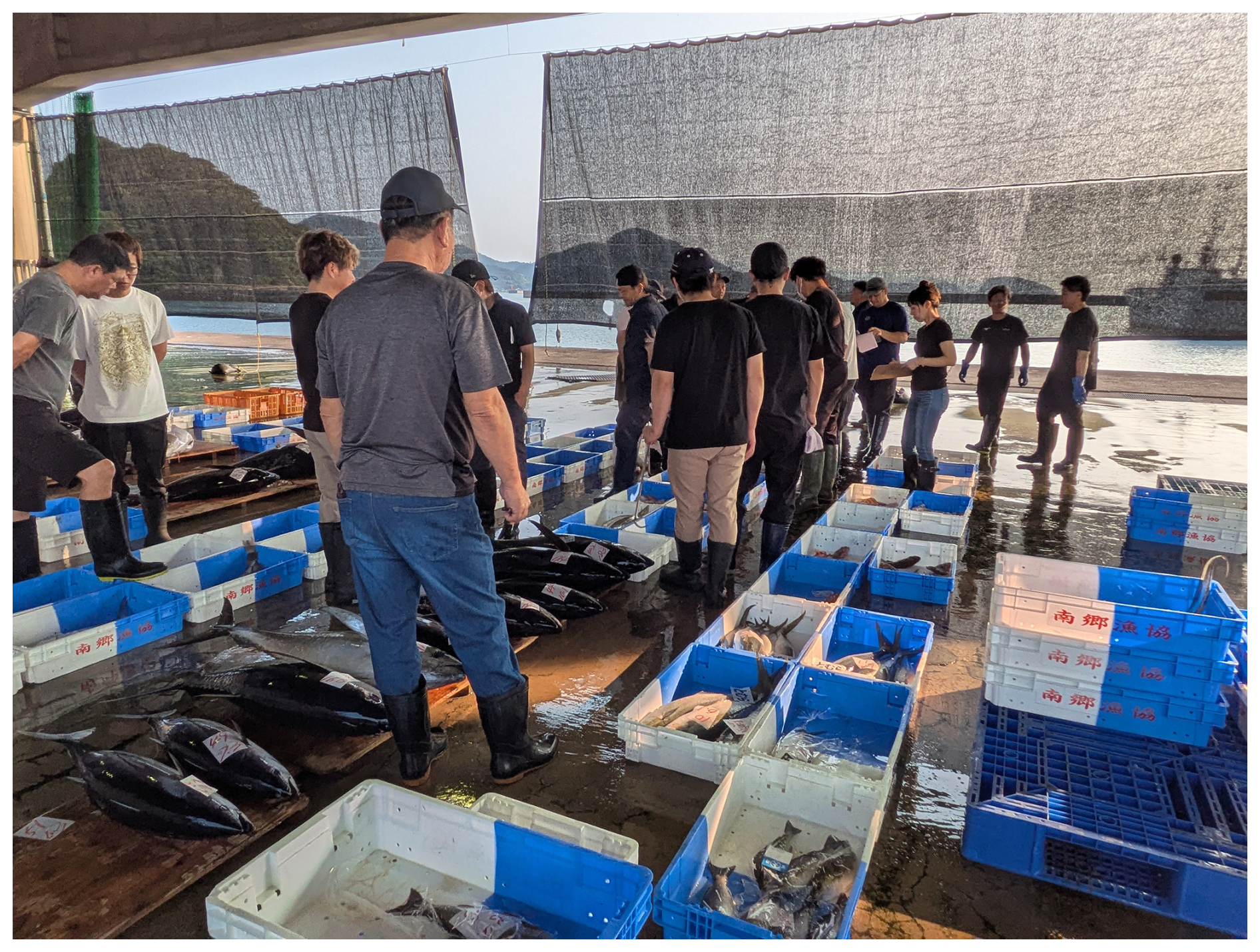
Figure 1Fish auction at a local fishery cooperative in southern Miyazaki. Photo: Sonja Ganseforth.
3.2 Japanese coastal fisheries and vanishing rurality
At the other end of a spectrum of polarized Japanese seafood geographies, local fishery cooperatives (fishery cooperative associations, FCAs; see Fig. 1), tightly entangling local coastal environments, fish, and fishers, form the backbone of Japan's coastal fishery management system and have earned international recognition as exemplary institutions for governing common resources and co-managing fishery resources (Delaney, 2015; Delaney and Yagi, 2017). In view of the crucial importance of marine proteins for the livelihoods of coastal populations around the world and of the socio-ecological crises engulfing marine ecosystems, small-scale fisheries have recently attracted attention as a socially and ecologically sustainable form of fishing (Ayilu et al., 2022; Cohen et al., 2019; Ertör et al., 2020; Jentoft, 2019). Recent estimates (Basurto et al., 2025) put the contribution of small-scale fisheries at no less than 40 % (37.3×10⁶ t) of global fisheries' catches, globally supporting the livelihood of 1 in every 12 people and supplying around 2.3 billion people with around 20 % of their dietary intake of six essential micronutrients. The local co-management of collective territorial use rights administered in fishery cooperatives is internationally acknowledged as a viable alternative to top-down and private-property-based regulation. Japanese FCAs operate within a unique framework that combines territorial use rights for fishing (TURFs) and local management organizations, bringing together human actors, marine animals and plants, coastal environments, fishing technologies, and regulations. This assemblage allows fishers to actively participate in resource management, adapting regulations to suit local conditions and day-to-day operations (Makino, 2011; Makino and Matsuda, 2005).
FCAs continue to play a crucial role in Japanese coastal communities, also serving as important social and political institutions organizing community activities and environmental conservation efforts (Makino, 2011; Makino and Matsuda, 2005; Uchida and Makino, 2008). Cooperatives hold “sea tenure” (Ruddle and Akimichi, 1989) over their territory, a right assigned every 5 to 10 years by the prefectural fishery administration. Within the framework of prefectural guidelines, cooperatives adopt more detailed rules and regulations for the usage of their marine resources according to local needs and conditions (Makino, 2011; Makino and Matsuda, 2005). The crucial importance of multi-species relations in coastal communities becomes visible in the central place marine animals hold in the cuisine, songs, religious rituals, imaginations, and economies of local communities, as well as their engagement in satoumi2 activities to care for their commons and cultivate marine ecosystems, such as beach cleaning, re-stocking, and coral reforestation (Ganseforth, 2023). These more-than-human communities have worn thin in recent decades with the shrinkage of human and fish populations, the general drop in farmers and fishers, and socio-economic peripheralization in rural areas (Manzenreiter et al., 2020; Matanle et al., 2011).
Regional revitalization has been on the agenda of Japanese lawmakers and academics since the 1970s, when the effects of the post-war rural exodus of labour became more pronounced, and non-metropolitan areas faced mounting demographic pressures. For the revitalization of fishing communities, producers are encouraged to process their original produce, creating local specialties (Ashkenazi and Jacob, 2000:220), omiyage (souvenirs), and gourmet products, and to market or sell these value-added products themselves (MAFF, 2024:12). Their involvement in other services, especially in the tourism sector, is also highly supported. As some families I interviewed in Kyushu, they might sell fish tempura at the local morning market or other direct sales points (chokubaijo; see Fig. 2), offer ferry services for school children from neighbouring small islands, bring angling tourists to attractive fishing grounds, or even host entire classes of school children to let them experience rural life and the work of a coastal fisher in so-called taiken (experience) programmes (Ganseforth, 2020). While processed seafood essentials such as katsuobushi (simmered, smoked, and fermented skipjack tuna) or dried nori (red algae) sheets have a long shelf life, fresh or frozen fish resist their employment as souvenirs in local tourism, but delivery companies have developed new services for the transportation of chilled or frozen goods. Even quickly degrading fresh fish can thus become an omiyage. Freshness, purity, and authenticity are essential promises of local sales, relating a fetishized wilderness (Takahashi, 2014) to an imagined original fishing village culture Ganseforth, 2022b), a nostalgic longing for an imagined vanishing Japanese culture (Ivy, 1995; Robertson, 1998).
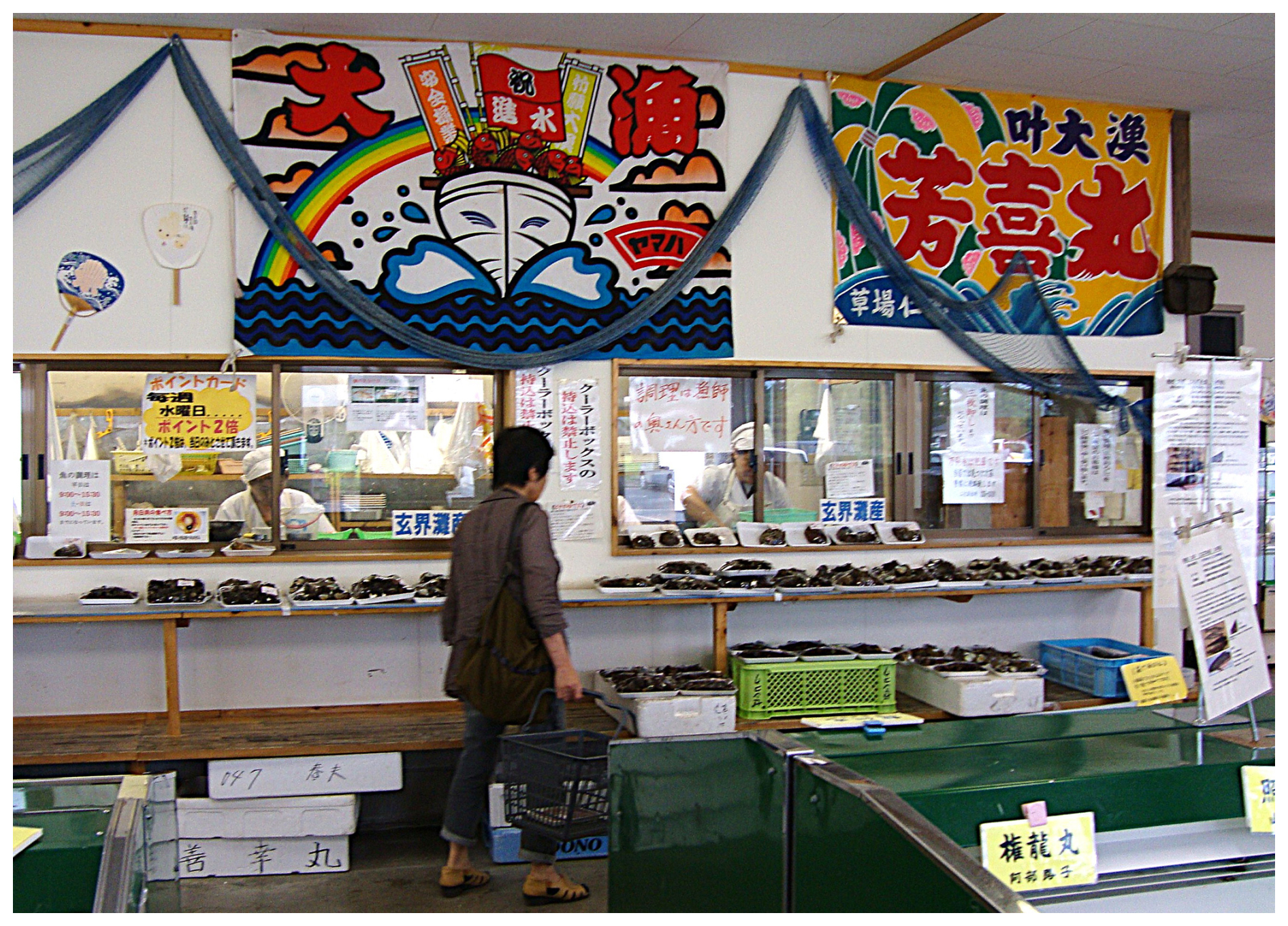
Figure 2Direct sales point at a roadside station (michi-no-eki) in Kyushu. Photo: Sonja Ganseforth.
Direct marketing (see Fig. 2), value-adding, and tourism are important income diversification strategies for many small-scale family fishing businesses (Ganseforth, 2020), but for many, this is not sufficient to make up for the stagnating profitability of their fishing business. Many businesses are struggling because they have no successors, which makes it difficult to obtain credit or subsidies to invest in new equipment. This was a major problem for one small-scale fisher, who was also facing a labour shortage after his ageing father and his wife could no longer handle the physical strain of working on a fishing boat. Still, he told me, “We do not want our three children to take over the fishing business, so we are sending them to another town to get a good education and find good jobs in the future.” As changes in consumption and lifestyle habits reassemble human–fish relations, fisheries have lost their appeal to young people. The percentage of fishers above the age of 65 reached 37.7 % in 2022 and generally hovers about 10 points above the national Japanese population average. The overall number just about halved from 238 000 in 2003 to 123 000 in 2022 (MAFF, 2024:42). Shrinking membership and financial strain have also forced many local fishery cooperatives to merge, leading to more heterogeneous and geographically extensive organizations and less democratic decision-making structures (Ganseforth, 2022b). A 2018 reform bill now seeks to modernize and expand Japanese fisheries by weakening the dominant role of cooperative resource management; inviting external capital investments into coastal fisheries, particularly aquaculture; and introducing more top-down resource regulation, such as more individual quota systems (Ganseforth, 2023). Local situated knowledge and decision-making are at risk of being discounted, as new socio-technological regimes of production and measuring become more dominant, unravelling coastal multi-species relations and undermining small-scale producers' control over local food sovereignty.
3.3 (Not) eating fish in Japan
Despite a revaluation of the countryside during the Covid-19 pandemic, the high concentration of the Japanese population in metropolitan areas and a steady rural exodus continue unabated. Busy urban lifestyles and working styles and the prevalence of core families and single households have also changed eating habits in post-war Japan. Vertically integrated seafood traders as well as supermarket and convenience store chains have largely conquered the food retail landscape since the 1980s and replaced specialized fishmongers. “One day, buyers from a supermarket chain came by to find suppliers among the fishers for a direct sales contract. At first, they were interested, but when they saw the size of my business and the state of my equipment, my dirty buckets and all, the talks ended quickly”, relates one shrimp fisher from north-western Kyushu – frustrated by the low prices at the local seafood market. His buckets were not simply dirty; they failed a particular, situated standard of hygiene and scale that corporate procurement treats as self-evidently modern, rendering his practice illegible as a viable supply relation regardless of the shrimp's quality.
Seafood is losing popularity in Japan, and average per-capita consumption has dropped from the all-time high of 40.2 kg in 2001 to 22 kg in 2022, surpassed by rising meat consumption since 2011 (MAFF, 2024:55–57). This trend, commonly referred to as sakana-banare (turning away from fish), is often decried as a symptom of social changes such as the increasing number of working women and nuclear family households (Ariji, 2013), including rather reactionary recommendations to bring back the good old days of dedicated housewives and mothers. “The women do not know how to swing a cooking knife anymore”, I heard from fishers in north-western Kyushu in resonance with national discourses of cultural decline, “this is why we go to the primary schools and give lessons in cooking seafood from time to time.” This individualizes a structural transformation – the rise in vertically integrated retail and pre-processed convenience products – as a failure of women's domestic competence and moral character, a familiar move in which technoscientific and infrastructural change is narrated instead as cultural or gendered decline. This grievance has also become the subject of public and private interventions aimed at educating consumers about healthy eating and combatting the spread of diseases such as obesity and diabetes, codified in the 2005 Basic Law of shokuiku (food education) (Kimura, 2011). Eating out, take-out, delivery services, and ready-to-eat meals have come to dominate the meals of many Japanese consumers, and a rising prevalence of lifestyle diseases along with a moral panic about the “Westernization of eating habits” followed suit. In the seafood sector, this tendency is enhanced by the dominance of convenient fish fillets, ready-made meals, and bentō (packed lunch) in supermarkets and convenience stores. “Even if they wanted to prepare fresh fish from head to tail, the housewives find it troublesome to get rid of the smelly fish waste nowadays”, a supermarket seafood advisor from a major national supermarket chain elaborated. “This is because families do not live in large multi-generation countryside houses anymore, where they could leave the garbage in the back of their houses. They must store the trash in their small apartments in the city until the trash is collected on specific days, and the niftier ones have turned to keeping the waste in the freezer.” Instead of inviting such obtrusive olfactory visitors into their homes, many prefer to store frozen meals and seafood products in the scarce space of their freezers. The fish waste itself is not inert: its smell resists full containment, and managing this unruly materiality is again dependent on the material conditions of architectural environments.
Processed foods and ready-made meals have become an important source of revenue for Nissui and Umios and indeed a whole range of food companies, and these developments have brought about new hybrid seafood materialities. A coastal shrimp bottom-trawler, a high-seas tuna long-liner, a seafood sausage processing plant, a land-based pen fattening insatiable genome-edited fish, and a biotech laboratory with eel cells growing in a petri dish: each forms a multi-species assemblage – as do, in their own register, the buyer's hygiene standards; the disciplining of women's domestic labour; the unruly smell of fish waste; and the sci-fi dreams of growing protein in space, a relation in which human labour, corporate capital, fish tissue, and microbial labour become mutually constitutive, such that “fish” is no longer (if it ever was) a discrete wild entity but a co-produced organism. With the sophistication of functional foods, aquaculture and genetic modification, and biosynthetic DHA and cultivated protein grown in bio-labs, the next section explores three such new biotechnological assemblages with special attention to developments in the Japanese case.
4.1 Functional foods and Resara sausages
Sakana sakana sakana / sakana wo taberu to / atama atama atama / atama ga yoku naru / sakana sakana sakana / sakana wo taberu to / karada karada karada / karada ni ii no sa.
Fish fish fish / if you eat fish / your brain brain brain / your brain will work better / fish fish fish / if you eat fish/ body body body / it is good for your body.
Between catchy and annoying, the song Osakana tengoku (“Fish paradise”) produced by the nationwide association of FCAs has been haunting supermarket aisles since 2002 with the message that seafood is health food. Since around this time, a seafood diet – in particular the polyunsaturated omega-3 fatty acids found in high concentrations in fatty fish such as salmon, herring, or mackerel as well as in fish roe, oysters, and krill – has been linked with beneficial effects on body and mind, exerting exactly the “thing power” Bennett (2010) discusses in her analysis of “vibrant matter”. While also present in foods such as walnuts, flax seeds, and canola oil, seafood-based omega-3 fatty acids in the form of eicosapentaenoic acid (EPA) and docosahexaenoic acid (DHA) are found to have much better bioavailability – and thus more thing power – in the human body. In celebration, (then) Maruha Nichiro invented a DHA no hi (“day of DHA”) marked on 22 June in reference to the molecule structure of DHA consisting of a 22-carbon chain and 6 double bonds – matter's own chemistry elevated to the status of a marketing holiday, the molecule itself, rather than the fish it once composed, becoming the object of celebration.
Of course, these health claims set aside the issue of high concentrations of methyl mercury and other chemicals especially absorbed in many wild fish or added intentionally or unintentionally in the production of farmed fish (Hamada and Wilk, 2018; Mansfield, 2011); the same tissue marketed as optimizing cognition and cardiovascular health also accumulates matter that exceeds anyone's control or intention, refusing to separate cleanly into “beneficial” and “harmful” components. The DHA boom in health foods has spawned a whole range of food products enhanced with omega-3 oil derived from marine sources and raises the global demands for increased seafood production to a degree that might further endanger the health of marine ecosystems (Abrahamsson et al., 2015; Braun, 2019; Brunner et al., 2009). But the usage of marine-derived amino acids in the manufacture of health foods and pharmaceuticals offers a new opening into sluggish seafood markets in Japan and beyond (Ganseforth, 2022a).
Companies like Umios and Nissui are scrambling to develop new product lines of “functional foods”, defined as foods offering additional functions beyond their original nutritional value, e.g. foods enriched or fortified with added ingredients promising health improvement or disease prevention. Arai (2002) credits the idea of using food for medical purposes to East Asian concepts of food as medicine, originating from Chinese traditional medicine, that were taken up by Japanese scientists in the 1980s: a naturecultural hybrid of medical epistemologies whose legitimacy has since had to be adjudicated by biomedical regulatory science. In Japan, the official label “Foods for Specified Health Use” (FOSHU) was established in 1991 to signify processed food products with valid additional health benefits (Shimizu, 2003). As its criteria and regulations are relatively strict, and the application process is very time-consuming and costly, less regulated FOSHU subcategories and new, weaker labels such as “Food with Nutrient Function Claims” (FNFC) were introduced. Since 2015, a more liberal law allows for a broader advertisement of health claims for nutritional and cosmetic products with trials conducted as a part of the producing company's own responsibility (Ganseforth, 2022a). Each step down this regulatory ladder marks a further devolution of who is authorized to make a truth claim about a food's effects, from state-certified science toward self-certifying corporate actors, legitimizing specific situated knowledges (Haraway, 1988) through official-looking certification labels.
Japan is the third-largest health food market in the world (Aoki and Meade-Frazier, 2014:3), and individual consumer spending is twice as high as in the USA and 3 times as high as in Europe (Keßler, 2016:9). Certified health claims are expected to significantly raise consumers' willingness to pay more for a food product (Hirogaki, 2013). One reason for the immense popularity of health foods in Japan is commonly seen in its large ageing population (Aoki and Meade-Frazier, 2014:4). The main growth potential on Japanese markets for seafood companies today thus lies in producing sophisticated, high-value seafood products and skilfully launching them to attach to a Foucauldian (Foucault, 1986) biopolitical public health dispositif (Ganseforth, 2022a), which does not target consumers uniformly but differentiates and manages specific populations: the ageing body at risk of cognitive decline, the heart at risk of cardiovascular disease, the athlete's body requiring optimization, and the pregnant and nursing body responsible for an infant's growth and development.
Besides a wide selection of processed seafoods often in mimicry of meat products such as hamburgers, meatballs, or ham in the portfolio of Umios' processed foods segment, the variety of fish sausages has grown considerably in the last 5 years. Around eight kinds of sausages without specifically stated health benefits are joined by the Resara product line (Ganseforth, 2022a). These FOSHU-certified Resara sausages (green packaging on the left side in Fig. 3) are DHA- and EPA-fortified and assemble a variety of ingredients listed on the package as follows: fish meat (cod (tara), Japanese scaled sardine (mamakari/sappa), cutlassfish (tachiuo), lizardfish (eso), and others), refined fish oil,3 cornstarch, plant-based protein, onion, salt, sugar, gelatine, spices, protein hydrolysate, seasonings (e.g. amino acids), liquid smoke, gardenia colouring, and vitamin E antioxidant. An inquiry with Umios' customer service revealed that the fish entangled in this multi-species hybrid are 100 % imported from Umios' operations around the world, but mostly from three to four countries, mainly India and the USA; further details were protected by commercial confidentiality. Like an emblem of complex Japanese seafood geographies, Resara sausages thus represent a truly cosmopolitan nature–culture, hailing from oceans and lands around the world, moulded into existence in food processing plants, certification offices, and intellectual property rights. More recent Resara renditions include a salt-reduced version and another with only self-certified “Food with Functional Claims” (FFC) promising benefits for the consumer's memory and mental capacities; the “omega” sausage launched in 2024 is the first product in Japan to be approved as a “FOSHU with reduction of disease risk claims” with ingredients that should reduce the risk of cardiovascular disease (Maruha Nichiro Corporation, 2024:74). “D-HA DA” claims to improve skin appearance and debuted in 2025. In addition, the “Marine Health” product series contains nutritional supplements straight up in capsules, the fish here dissolved entirely into its molecular components, no longer recognizable as a multi-species relation at all but abstracted into bioactive power. According to their own accounting, (then) Maruha Nichiro claimed to have covered a cumulative total of 50 % of the domestic share of DHA production (for health food products) as of April 2024 (Maruha Nichiro Corporation, 2024:15).
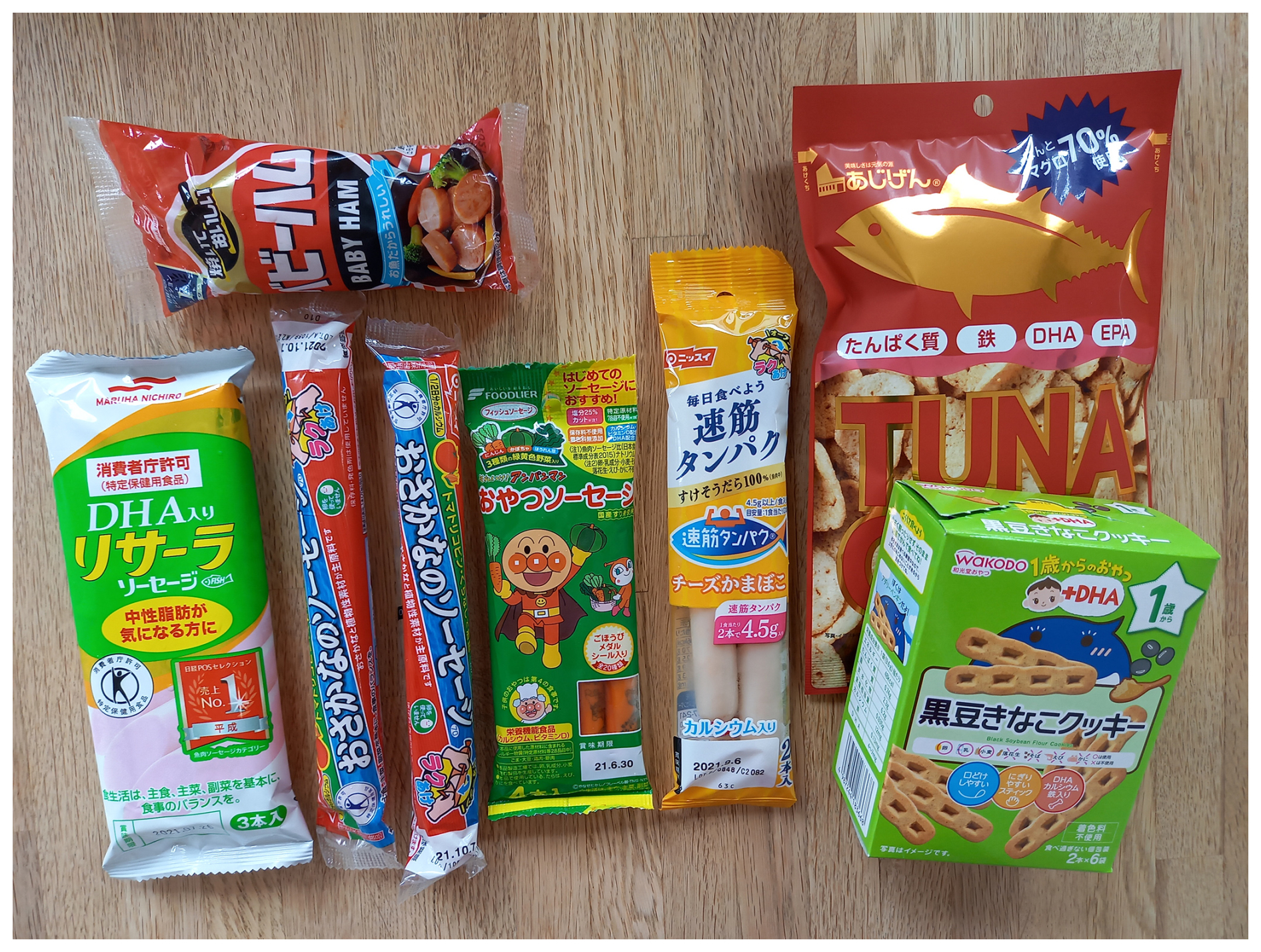
With a focus on “innovative food solutions”, Nissui (2025b) is proud to be a pioneer in researching the health benefits of EPA, even dramatizing their story as an anime available on their website, science communication and marketing affect merging into a single register, legitimacy produced as much through narrative charm as through regulatory certification. The company offers a range of supplements as well as functional foods and drinks; fish sausages are also a staple, and Nissui (2025b) advertises its long history of making the “beloved bestsellers for over 70 years”. A FOSHU-certified fish sausage claims extra calcium content as their health super-function, while the DHA- and EPA-fortified, low-salt Mainichi-Kore-Ippon EPA+DHA (“every day one of these”) sausages are not certified but promise to help lower visceral fat. For products containing at least 4.5 g Alaska pollack protein – supposedly having a high utilization rate in the human body – Nissui has developed its own “protein from fast-twitch skeletal muscles” mark (orange packaging in the middle in Fig. 3), implying importance for athletes or seniors (Nissui, 2025b): the same molecule marketed simultaneously as performance enhancement for one idealized body and remediation for another, frailer one. Seafood in this new cyborgian form re-assembles highly processed fast foods as vectors carrying healing and calming “thing-power” (Bennett, 2010), matter whose vitality has been extracted from any recognizable fish and repackaged as pure biochemical promise.
4.2 Aquaculture, Frankenfish, and 22nd-century tiger puffer
Aquaculture now supplies over half of aquatic animals and plants for human consumption around the globe (FAO, 2026:180) and is often treated as a technological fix to overfished wild resource stocks, degradation of coastal habitat, and global hunger (Brent et al., 2020). The breeding and husbandry of marine animals constitutes yet another step in the industrialization and exploitation of seafood frontiers (Clausen and Longo, 2012; Knott and Mather, 2021) and in the domestication of ocean wildlife (Hamada, 2020; Johnson et al., 2021), creating new “natureculture assemblages” (Swanson, 2022), in which confinement, feed, veterinary intervention, capital investment, and market demand become as constitutive of the “fish” as its own biology. Like industrial meat farming, the intensive mass farming of fish, crustaceans, and molluscs has further fuelled global fishing efforts to feed caged animals, whether originally vegetarian or not, and has led to the spread of diseases and parasites and thus an increased usage of antibiotics and pesticides, adding to the pollution of coastal areas with fish waste, uneaten feed debris, and chemicals (Brenner and Ghosh, 2022; Lien, 2015; Mansfield, 2011; Swanson et al., 2018). The way “techno-fish” (Hamada, 2020) are commodified through the industrialized production of seafood (Warf, 2017) becomes particularly clear here. However, even in overcrowded breeding pens, fish will have a life of their own, unbeknownst to us (Lien, 2015; Probyn, 2016). Recent biotechnological advances now allow the cultivation of some species from egg to harvest, celebrated as a great success for endangered species, a framing that quietly collapses conservation and commodification into a single achievement, in which completing a captive life cycle counts simultaneously as ecological rescue and as proprietary technical mastery. Maruha Nichiro (now “Umios”) takes pride in being the first private company to achieve complete bluefin tuna cultivation (Maruha Nichiro Corporation, 2024:14), while Nissui is raising Japanese amberjack in full-life-cycle aquaculture in Kyushu (Nissui, 2025b). New feed formulas greatly reducing the reliance on fishmeal, breeding technologies, and AI-supported smart technologies as well as the advance of land-based aquaculture – strongly supported by the Japanese government as part of its economic growth strategy for more food security with JPY 2.9 trillion (around USD 18 billion) earmarked until 2040 (Cabinet Secretariat, 2026) – might further decouple Japanese seafood geographies from the sea, possibly bringing some relief to ocean environments. At the same time, it is allowing for the commodification and privatization of living creatures into companies' proprietary commercial brands.
The US company AquaBounty went back even further in its privatization of nature with a patented DNA sequence of their transgenic AquAdvantage® salmon. This all-female Atlantic salmon, modified with DNA from the Chinook salmon and the ocean pout, can grow all year round and thus much faster and to twice the size of its non-transgenic cousins. As the first genetically engineered animal intended for food to be approved as safe to eat by the US FDA in 2015, AquAdvantage® salmon remained highly controversial and was abhorred by some commentators as “Frankenfish” (Bruce, 2016; Mulvaney and Zivian, 2013) – regulatory science and public sentiment reaching entirely different verdicts on the same organism. In Canada, the fish was approved as safe for human consumption in 2016 and sold at undisclosed outlets 1 year later, but after ensuing consumer protests, many retail chains publicly announced they would abstain from selling the genetically modified salmon. After a number of legal contestations over safety measures and labelling, the cyborgized salmon, constituted by its genome, patent, and public controversy as much as by its flesh, finally reached US stores and restaurants in 2021, but consumers shied away. In late 2024, AquaBounty registered for bankruptcy, and all remaining transgenic salmon were culled (Molyneaux, 2025; TransGEN, 2024). The promissory protein of the future had been terminated and physically destroyed by public sentiment and “the market”, a performative assemblage in itself (Berndt and Boeckler, 2009). Despite its unhappy ending, AquAdvantage® salmon is considered to be a pioneer in the introduction of biotechnological inventions in the human food chain by supporters and critics alike (Blank, 2017; Clausen and Longo, 2012; Lee, 2018; Van Slyck, 2017).
Genetic engineering and “life sciences” have brought a new technological fix to the frontier of commodified aquatic life: gene-editing now allows for a much more precise manipulation of animal genomes. The Regional Fish Institute, a Kyoto start-up company just founded in 2019, brought the “world's first genome-edited animal-based food” to the market in Japan already in 2021 (Dionglay, 2022). In partnership with two universities, the company already developed three species of genome-edited fish by early 2025: the “22nd-century sea bream (madai – Pagrus major)”, the “22nd-century olive flounder (hirame – Paralichthys olivaceus)”, and the “22nd-century tiger puffer (torafugu – Takifugu rubripes)” (Regional Fish Institute, Ltd., 2023). All three have had their genome edited to deactivate certain target gene functions in order to bring forth faster growing and meatier animals, which have already been cleared for commercial sales in Japan. Different from AquAdvantage® salmon, these fishes' genes have not been modified with the insertion of foreign genes, so Japanese authorities declared them safe for human consumption and for biodiversity, exempting them from lengthy safety screenings (Regional Fish Institute, Ltd., 2023). The regulatory line between “edited” and “transgenic” is far from self-evident; where exactly the natural ends and the artificial begins is a matter of situated knowledge (Haraway, 1988): a determination drawn differently by different authorities, not a fact discovered in the genome itself. On their website, the Regional Fish Institute describes as their mission the utilization of technologies such as genome editing and AI/IoT for Smart Aquaculture in order to solve urgent sustainability crises such as the global “protein crisis” and labour shortages in the Japanese seafood sector (Regional Fish Institute, Ltd., 2025) – a promissory framing that positions genome editing as the necessary answer to crises it also helps define in the first place.
4.3 Protist producers and cellular labour
While the first generation of genome-edited fish is entering Japanese seafood markets, Nissui and Umios are both investing in the development of algae-derived omega-3 fatty acids. Nissui is collaborating with several universities in researching biosynthetic pathways of omega-3 fatty acids like DHA in marine microorganisms. The discovery of a new pathway for producing omega-3 fatty acids in the marine protists Labyrinthulomycetes – unicellular eukaryotes present in all marine environments and with high concentrations of DHA in their cells – allows for the sustainable production of these essential nutrients without relying solely on natural sources like fish. The researchers are also employing the labour of these fungi-esque protists – a more-than-human workforce enrolled into industrial biosynthesis – to produce other omega-3 fatty acids like EPA by editing their genomes to disrupt the expression of certain genes, thereby offering a promising alternative to fish oils for industrial production (Nissui, 2021). In May 2024, (then) Maruha Nichiro paired up with the Canadian microalgae manufacturer Mara Renewables Corporation/Algarithm to procure algae-derived DHA (marketed as “fish-free” and without “the fish burp”) and subsequently also establish the production and sales of algae-derived DHA (Maruha Nichiro Corporation, 2024:27, 75). In contrast to Nissui's cyborgized Labyrinthulomycetes, however, Algarithm's “purely natural” algae are imbued with a naturalized narrative bordering on the divine: “Initially discovered and isolated from pristine coastal waters at the Bay of Fundy in Nova Scotia, our natural alga strain offers high levels of omega-3 without compromising nature's perfect formulation. Algarithm provides sustainable, plant-based omega-3s that register meaningfully in the body and bring peace of mind for those seeking omega-3s exactly as nature intended (Algarithm, 2026).” The very acts of discovery, isolation, and industrial-scale cultivation that made this strain marketable are precisely what the narrative must erase to present “nature's perfect formulation” as a pre-existing state simply found rather than technoscientifically produced. It seems to be exactly the blurring of nature–culture boundaries that makes these kinds of narratives necessary for marketing.
The question of how we will weigh up the rights and welfare of these exploited and genome-edited microbes (Cockell, 2004) seems complicated enough – the very question suggests some recognition of agency that conventional welfare categories, built around visibly sentient animals, are not equipped to name – but questions of animal rights become even more confused when confronted with another technological advance on bioeconomic frontiers: “CellAg”, or – in the case of seafood – “cell-based” or “cultivated” seafood is a new approach to producing seafood without harvesting whole animals. It involves culturing fish or shellfish cells under controlled laboratory conditions to produce edible seafood that is claimed to be biologically identical to conventional seafood, an equivalence that is itself a definitional achievement rather than a neutral fact, asserting sameness of product across a process that has replaced an entire species with an isolated cell line. The process uses techniques from cellular agriculture and tissue engineering, where cells are isolated from a living animal, grown in bioreactors with nutrient-rich media, and then 3D-printed into seafood products (Waltz, 2021). Lagging the development of lab-grown meats and lacking a comparable wealth of past cell and tissue research, the cell-based seafood industry has nevertheless made significant advances within just a few years, and biotech companies have made breakthroughs in the cultivation of eel, tuna, shrimp, and lobster. The physiological traits of seafood cells and the texture of the flesh indicate a good suitability for bioreactor cultivation (Rubio et al., 2019). The industry has also seen advancements in replacing fetal bovine serum (FBS) with cost-effective, plant-based alternatives, significantly lowering production costs and reliance on animal-based inputs. Until this point, most of the technological developments in this field were concentrated in a few high-tech hotspots, such as North America, Singapore, Israel, and some European countries. In 2022, (then) Maruha Nichiro started the joint development of cultivated seafood with a Japanese biotech start-up and a leading fish paste producer. The following year, the company also entered a strategic partnership agreement with the Singaporean biotech start-up Umami Bioworks to develop and commercialize cell-cultured and 3D-printed seafood in Japan and potentially other markets (Maruha Nichiro Corporation, 2024:54).
In the US, the sale of lab-grown meat was approved in 2023, but already in May 2024, Florida was the first US state to prohibit the manufacture – let alone the distribution – of cell-based meat and seafood, citing concern for the state's cattle industry and “authentic agriculture” and thus constructing a boundary between authentic and inauthentic food production. In Japan, former Prime Minister Kishida has proactively endorsed the industry, provided government funding for CellAg start-ups, and formed a new Consortium for Future Innovation by Cultured Meat. Food safety is a contentious concern in Japan (Sternsdorff-Cisterna, 2018), but in April 2024, the food hygiene standards division was transferred from the Ministry of Health, Labour, and Welfare (MHLW) to the Consumer Affairs Agency (CAA) under the purview of the Cabinet Office, possibly giving a supportive prime minister more leeway and flexibility (Meros, 2025) – a jurisdictional shift that is also, in effect, a shift in whose institutional authority can decide what counts as safe. The Japan Association for Cellular Agriculture (JACA) was created in 2019 to promote industry–academia–government collaboration and policymaking in order to enable the commercialization of cellular agriculture in Japan. The Good Food Institute (GFI), an international non-profit think-tank aiming to accelerate alternative protein innovation, also established a Japan office in late 2024. This seems to be the moment when CellAg gains positive traction in Japan, with increasing media visibility and the Osaka World Expo in late 2025 (Meros, 2025), and a draft for the regulatory framework for the commercialization of cultivated proteins was released in 2026. A few polls among Japanese consumers indicate an increasing interest in cellular proteins especially among younger Japanese consumers (Braun and Knight, 2023; Fishfarmingexpert, 2025), but also some food-neophobia. Without further in-depth research into purchasing behaviour and consumer attitudes, consumer acceptance of these novel kinds of food in Japan remains unclear.
“Barely a day passes without another story of the hyperbolic inventiveness of the life sciences to complicate the distinctions between human and non-human; social and material; subjects and objects to which we are accustomed.” The observation of Whatmore (2002:1) seems more true than ever as new socio-technical imaginaries in the seafood sector drive the commodification of life in all stages of the industrial process, from marine-life-based functional foods to the cyborgization of copyrighted transgenic salmon, genome-edited protist micro-factories, and self-replicating cell cultures on a petri dish. Like the material and symbolic de- and re-contextualization of commodities in the production of surimi (imitation crab) (Mansfield, 2003), seafood protein and amino acids are isolated and transformed into high-tech functional foods, human–animal hybrids waiting to be incorporated into human bodies. Is this transmogrification their ultimate domestication by humans? Swanson et al. (2018) would likely disagree, pointing to the unintended consequences and transgressions in any domestication attempt. Aquaculture, like other mass-producing animal protein industries, is also a site of chemical and pharmaceutical contamination (Mansfield, 2011) as well as a breeding ground for the emergence of new microbial dangers, new pathogens, and antibiotic resistances while also uprooting them from localized environments and dispersing them along global flows of food commodity vectors (Brenner and Ghosh, 2022). Lab-grown cellular proteins, on the other hand, are praised as “clean” of any pathogenic freeriding microorganisms (Gertenbach et al., 2021), but Bennett (2010:41–43) might advise us on the “thing-power” of fish-based omega-3 fatty acids over human behaviour and mental health. The future will show what new species might still come to join us from biotechnological labs. After overflowing any framing (Berndt and Boeckler, 2009) erected to stop its spread, the AquAdvantage® salmon was stopped in its flow by the consumers' scepticism and financial impossibilities. Cell-based seafood, on the other hand, finds a much warmer welcome on land, though it remains to be seen whether it will remain a “food for the few” (Otero, 2013; Risner et al., 2021).
Labyrinthulomycetes are the protist protagonists of this promissory success story of human salvation via the coming-together of biotechnology and the bounties of our common microbial origins from the oceans (Helmreich, 2009). They are removed from their lifeworlds, manipulated down to the essence of their biological being and metabolism in order to produce the desired matter, in this case fatty acids. Their forced labour is based on unequal power relations and has the appearance of total human control and domestication of an alien species (Lien, 2015; Swanson et al., 2018). However, if we re-imagine human bodies as multi-species coming-together, as biosocial (Ingold, 2013) assemblages of some human cells with an overwhelming majority of non-human cells making up our microbiome (Helmreich, 2009; Lorimer, 2017) – our companion species (Beck, 2021; Haraway, 2016) – we cannot be so sure of this complacent narrative anymore. In many respects, our existence depends on the labour of fungi, yeasts, bacteria, and other microbes, be it in the soil, in the oceans, in our own microbiome, or in the production of fermented foods and composts (Brives and Sariola, 2021). Maybe we can even optimize our biological conditions and become “super-organisms” (Dumitriu, 2022) by swallowing up sophisticated functional foods, the best probiotics (Lorimer, 2017), and other genetically tweaked microbial companions, transforming our bodies by incorporating other bodies, cells, and microelements (Dickinson, 2022; Mol, 2021).
Scientists, laboratory technicians, microbes and animal cells, and – not to forget – massive amounts of venture capital cooperate in the creation of “clean” proteins and amino acids. Who cares for the exploited microbes and feels responsible for their rights (Bear, 2021; Clare, 2022; Cockell, 2004), let alone for the well-being of fish cells brewing in an incubator – “awkward” animals (Lorimer, 2014) – not quite as empathy-evoking as other laboratory subjects such as mice or monkeys? Even in the decoupled form of self-replicating cells divorced from their animal origins on a petri dish, however, scientists occasionally ascribe feelings to them, suggested in this anthropomorphic remark: “We created spheroids […] So instead of adhering to a surface, they adhere to each other. And that seems to keep them happy. Then we grow them in a bioreactor” (Shah-Neville, 2024).
Narratives around cell-based meat and seafood abound with topoi of care, concern about animal welfare, and taking responsibility for conserving the natural world. The idea that we could let “donor” animals live while eating their flesh at the same time is uncanny as much as it claims to be the most humane way of eating animal protein. However, Isha Datar, CEO of cellular agriculture research institute New Harvest, reminds her audience in a talk: “So when we think about creating these brewery scenarios where we're creating meat in a big bioreactor you have to realize that the status quo [in traditional meat industries] is that we are also creating big bioreactors but those bioreactors are living creatures” (Datar, 2016). Can we truly decouple meat from animals, decouple our human bodily environments from the rest of the natural world in order to save the latter? Even lab-grown protein is subject to metabolic needs and feeds on costly nutrient media. Price and scalability (Risner et al., 2021) remain problems that leave us wondering who will be able to afford to consume cell-based proteins (Otero, 2013), who will want to (Roe, 2006), and who will own and control them? Producing “clean”, decoupled protein at scale requires considerable concentration of capital, laboratory infrastructure, and proprietary genetic and biosynthetic knowledge; the question is what place coastal communities and small-scale producers will have in a food sovereignty increasingly authored in bioreactors and patent offices rather than on the water.
The Japanese Ministry for Agriculture, Forestry and Fisheries' (MAFF) pre-occupation with the Japanese food self-sufficiency rate has served to legitimize a range of structural reforms in the agrifood sector as well as the recent reform in fishing rights, prioritizing increased production and exports over empowering local communities and cooperatives. Understood in national frames, the food self-sufficiency rate is not the kind of autonomy sought after by social movements and small-scale peasants and fishers organizations such as La Via Campesina, the World Forum of Fisher Peoples, the World Forum of Fish Harvesters and Fish Workers, and the Nyéléni Global Forum by the International Planning Committee for Food Sovereignty (IPC), bringing together fishers and farmers in the struggle for food sovereignty and structural change in global agrifood systems (Wittman et al., 2011). Nor, as the following section shows, is it the kind of promissory sovereignty and leeway pursued by transnationally operating companies such as Umios and Nissui. Not surprisingly, however, their brand slogans and mission statements echo narratives of care and responsibility for a sustainable future. Stressing their social responsibilities, Maruha Nichiro's “meaning of existence/group philosophy” in 2024 read as follows: “Maruha Nichiro Group aims to be an essential part of society by improving everyone's daily life with wholesome, safe and healthy food” (Maruha Nichiro Corporation, 2024:2). Nissui (Nissui, 2025c) hits a similar note but puts even more emphasis on the futuristic: Mada minu, shoku no chikara o (“the power of food that we cannot yet see”). Future utopian solutions hold promises for contemporary ailments: “Providing innovative food solutions for a healthier and sustainable future.” These corporate narratives of care echo, and arguably appropriate, the same register of concern for welfare and responsibility examined above in relation to cell-based meat – but here articulated not on behalf of microbes, cells, farmed animals, or ecosystems, but as brand identity, folding an ethic of care into an accumulation strategy and smoothing over the extractive relations documented above with a language of stewardship. Aiming to “be like `Mother Ocean”', then Maruha Nichiro Corporation (2022:9–10) in their “new long-term corporate vision toward 2027” formulated three business goals, namely becoming the number one global seafood supplier, the number one frozen and nursing care food supplier in Japan, and a leading company of marine-based functional products. “Mother Ocean” has already borne a range of cyborg (Haraway, 1987, 1996) renditions of marine animals, increasingly keeping their distance from rural fisheries.
The newest development in life sciences has allowed a number of biotechnological start-ups and academia–industry collaborations to thrive around the world, some of which nurture science fiction utopias of “universally accessible cellular agriculture” and a “democratization of cellular agriculture” like the Japanese pioneer IntegriCulture (2026). However, the dominant (sea)food companies are securing access to the new technologies and maintaining their central position in the new socio-technological regime via strategic investments and mergers and acquisitions. According to one industry professional I interviewed, the burgeoning sector, dependent on heavy – and risky – investments, is already experiencing considerable consolidation, making it susceptible to monopolization in the future. Sexton and Goodman (2022) argue “that the narratives of urgency, anxiety and crisis, plus the scale of livestock-related problems in the Anthropocene, have (re)authorized Big Food's role in delivering sustainable food systems.” CellAg reduces animals to “bits of life” (Smelik and Lykke, 2015) – to the genomic information that scripts the growth of their coveted proteins, producing flesh that is at once natural and highly artificial. Although it carries a convincing narrative of care and liberation – promising to free animals, workers, and the environment from the pain and suffering of contemporary industrial meat production – this reduction also entails a new form of domination: the conquest of the code of life itself as an extractive frontier. Beyond a host of ambiguous and complex implications for emerging multi-species kinships in gene-editing (Clare, 2022), the concentration of these promissory protein futures in the realm of giant agro-industrial corporations, venture capital networks, and biotechnology and information industry hubs (Sexton, 2020) raises serious doubts about the possibility of genuine promissory protein sovereignties (Broad, 2019).
Sexton (2020) identifies Maastricht, Tel Aviv, Silicon Valley, and Singapore as the four key tech hubs of promissory protein development. The Californian hub, concentrating a tech pioneering spirit and venture capital, has historically been an important Pacific anchorage point for the Japanese economy, while Singapore, with its liberal regulation and biotechnological advances particularly in cell-based seafood, constitutes an important collaborator in contemporary protein endeavours. In digital capitalist food production resembling software development (Sexton, 2020), intellectual property plays a central role. Broad (2019) finds biotechnological animal protein alternatives generally incompatible with food sovereignty approaches but does not outright deny the slight possibility of a role for “food tech justice” freed from corporate intellectual property standards. Though declaring it rather unlikely, Dutkiewicz (2019) also imagines a just transition: “If it can be wrested from corporate control, lab meat production could be publicly financed, with intellectual property held in the public trust, and tied to the social and ecological goals of a just economic transition.” Gertenbach et al. (2021:402) do not want to entirely discard the possibilities of new forms of multi-species conviviality with cultured meat but consider it a depoliticizing technological fix “saving the growth paradigm in the face of its failure.” Following the internal logics of “biocapital” (Cooper, 2011; Moore, 2015; Sunder Rajan, 2006), biotechnological knowledge and genetic information as the source of life itself become digitized and privatized assets in the hands of a few capitalist actors.
Across the cases traced here, a single figure keeps resurfacing in different guises: the cyborg (Haraway, 1987, 1996) – the fish-oil-fortified sausage marketed as a health-enhancing hybrid; the transgenic AquAdvantage® salmon abhorred as “Frankenfish”; the genome-edited Labyrinthulomycetes labouring in bioreactors; and now “Mother Ocean” herself, rebranded by corporate vision statements as the source of a coming generation of biotechnologically remade marine life. Tracking this figure across scales – from a single edited genome to an entire corporate cosmology – makes visible a consistent logic in which nature is neither simply preserved nor simply destroyed but selectively hybridized, owned, and re-narrated as the ground of future accumulation. It is this logic that structures the polarized seafood geographies discussed in this article. In rural Japan, even more so in coastal fisheries, dynamics of social inequality and precariousness are unfolding at a critical pace. Imagined as nostalgic origin places of authentic Japanese culture (Robertson, 1988, 1998) and authentic Japanese food (Bestor, 2004:126–127; Ohnuki-Tierney, 1993), coastal communities are disintegrating as small-scale fishing assemblages are unravelling. At the other side of the spectrum, new species of fish and seafood are spawned in biotechnological laboratories. The spatial movement out of the sea, away from remote coastal communities into the incubators, high-tech labs, and industrial clusters parallels the outmigration of younger populations from the countryside into the metropolitan clusters. It also highlights where the power is moving amidst an ongoing polarization of Japanese fishery geographies. Ever concerned with securing the country's protein supply, the recent Japanese fishery law reform promotes corporate capital investments into aquaculture, challenging the hitherto hegemonic role of traditional fishery cooperatives in managing marine resources and coastal marine areas. As external investments might be prioritized over local food sovereignty, the polarization of Japanese fishery geographies is exacerbated.
In this article, I trace three biotechnological innovations and their relationship to these ongoing transformations in the Japanese seafood sector: aquacultural farming, genome-editing, and cell-based seafood promise to solve the socio-ecological dilemmas of wild fisheries by domesticating ocean spaces and commodifying marine life. At the same time, converting marine animals into bioactive components of “functional foods” promises growth in an ageing domestic market for large Japanese seafood companies. Pharmaceutical and chemical segments along with food processing are showing the most dynamic developments and promising future profits. Consequently, Umios and Nissui, the two most powerful seafood companies in the world, are now busily expanding their pharmaceutical and life sciences divisions, pursuing the next oceanic frontier.
Resources, natural as much as financial, might be shifting towards new multi-species assemblages of domestication and incorporation, but this story is not a straight story of (hyper-)modernization and marginalization, as much as cultivated seafood and fortified fish sausages will likely not be a story of salvation from metabolic pressures for most of us. Cell-based seafood needs not only cells drawn from wild (or at least live) “donor” animals providing the building plans of life that cell-based production still depends on. It also needs more material inputs to grow new cells. If production is scaled up as envisioned, this will raise new questions about the material and energy flows and new metabolisms of laboratories and incubators. The shift from wild fisheries to on-land industrialized production might offer some hope of a respite for natural ecosystems to recover from past exploitations, but urban metabolisms in their dependence on material inputs will likely continue to feed on rural bioeconomies (Brenner and Schmid, 2015), and the unruliness of living and inert matter, cascading ecosystem changes, climate breakdown, heating oceans, deflecting ocean currents, and new migratory pathways of marine life will further disturb these promissory narratives. Nevertheless, powerful capitalist investments are drawing the ocean ashore, opening up new perspectives on the “social construction” (Steinberg, 2001) of oceanic spaces and their territoriality and exploitability (Campling and Colás, 2021; Havice, 2018). With the ongoing socio-technical regime shift “transcend[ing] the land–sea binary in an incessant quest for profit, thereby engendering new articulations of terraqueous territoriality” (Campling and Colás, 2021:3), oceans are exceeding aquatic boundaries (Bear, 2019). Fish-as-seafood is increasingly leaving the oceans and crawling ashore and inland onto terrestrial spaces, towards land-based aquacultural basins, fish farms, and biotechnological laboratories. Technological – and genetic – intellectual property is becoming as important for the exploitation of “marine” resources as access to maritime spaces. It is up to further research to observe the future of promissory marine proteins, its uptake among consumers, and its implications for food sovereignty: from the commodification of marine life in breeding pens all the way down to the scale of copyrighted genetic bits of code, control is increasingly concentrated in urban and land-based centres, decoupled from the realm of coastal fishery cooperatives and small-scale fishers and peasants, the very producers whose right to define their own food, fisheries, and agriculture systems the concept of food sovereignty was coined to protect.
No data sets were used in this article.
The author has declared that there are no competing interests.
Publisher's note: Copernicus Publications remains neutral with regard to jurisdictional claims made in the text, published maps, institutional affiliations, or any other geographical representation in this paper. The authors bear the ultimate responsibility for providing appropriate place names. Views expressed in the text are those of the authors and do not necessarily reflect the views of the publisher.
My sincere thanks go to the editors of Geographica Helvetica and of this special issue for their guidance throughout the process, as well as to the anonymous reviewers, whose thoughtful and constructive feedback greatly strengthened this paper. I am also grateful to the German Institute for Japanese Studies in Tokyo for their continued support and to my interview partners in Kyushu, Tokyo, and Yokohama, who generously gave their time and shared their perspectives with me.
This paper was edited by Alexander Vorbrugg and reviewed by three anonymous referees.
Abrahamsson, S., Bertoni, F., Mol, A., and Martín, R. I.: Living with Omega-3: New Materialism and Enduring Concerns, Environ. Plan. D, 33, 4–19, https://doi.org/10.1068/d14086p, 2015.
Algarithm: Fish-Free Omega-3 Straight From the Source, https://www.algarithm.ca/, last access: 9 July 2026.
Aoki, S. T. and Meade-Frazier, J.: Japan's Health Food Market: Background, Trends and Recommendations, USDA Foreign Agricultural Service, Tokyo, https://apps.fas.usda.gov/newgainapi/api/report/ downloadreportbyfilename?filename=Functional %20Food %20Report _Tokyo %20ATO_Japan_8-13-2014.pdf (last access: 1 March 2025), 2014.
Arai, S.: Global view on functional foods: Asian perspectives, Brit. J. Nutr., 88, S139–S143, https://doi.org/10.1079/BJN2002678, 2002.
Ariji, M.: A quantitative analysis of the factors involved in the decreasing consumption of marine products in Japan, Nippon Suisan Gakk., 79, 711–717, https://doi.org/10.2331/suisan.79.711, 2013.
Ashkenazi, M. and Jacob, J.: The Essence of Japanese Cuisine: An Essay on Food and Culture, University of Pennsylvania Press, 286 pp., ISBN 9780812235661, 2000.
Ayilu, R. K., Fabinyi, M., and Barclay, K.: Small-scale fisheries in the blue economy: Review of scholarly papers and multilateral documents, Ocean Coast. Manage., 216, 105982, https://doi.org/10.1016/j.ocecoaman.2021.105982, 2022.
Barbesgaard, M.: Blue growth: savior or ocean grabbing?, J. Peasant Stud., 45, 130–149, https://doi.org/10.1080/03066150.2017.1377186, 2018.
Barclay, K. and Epstein, C.: Securing Fish for the Nation: Food Security and Governmentality in Japan, Asian Stud. Rev., 37, 215–233, https://doi.org/10.1080/10357823.2013.769498, 2013.
Basurto, X., Gutierrez, N. L., Franz, N., Mancha-Cisneros, M. del M., Gorelli, G., Aguión, A., Funge-Smith, S., Harper, S., Mills, D. J., Nico, G., Tilley, A., Vannuccini, S., Virdin, J., Westlund, L., Allison, E. H., Anderson, C. M., Baio, A., Cinner, J., Fabinyi, M., Hicks, C. C., Kolding, J., Melnychuk, M. C., Ovando, D., Parma, A. M., Robinson, J. P. W., and Thilsted, H. S.: Illuminating the multidimensional contributions of small-scale fisheries, Nature, 637, 875–884, https://doi.org/10.1038/s41586-024-08448-z, 2025.
Bear, C.: Assembling the sea: materiality, movement and regulatory practices in the Cardigan Bay scallop fishery, Cult. Geogr., 20, 21–41, https://doi.org/10.1177/1474474012463665, 2013.
Bear, C.: The ocean exceeded: Fish, flows and forces, Dialogues Hum. Geogr., 9, 329–332, https://doi.org/10.1177/2043820619878567, 2019.
Bear, C.: Making insects tick: Responsibility, attentiveness and care in edible insect farming, Environ. Plan. E, 4, 1010–1030, https://doi.org/10.1177/2514848620945321, 2021.
Beck, A.: Microbiomes as companion species: an exploration of dis- and re-entanglements with the microbial self, Social Cult. Geogr., 22, 357–375, https://doi.org/10.1080/14649365.2019.1593490, 2021.
Beldo, L.: Metabolic Labor. Broiler Chickens and the Exploitation of Vitality, Environ. Human., 9, 108–128, https://doi.org/10.1215/22011919-3829154, 2017.
Bennett, J.: Vibrant Matter: A Political Ecology of Things, Duke University Press, https://doi.org/10.1215/9780822391623, 2010.
Bennett, N. J.: Marine Social Science for the Peopled Seas, Coast. Manage., 47, 244–252, https://doi.org/10.1080/08920753.2019.1564958, 2019.
Bercht, A. L., Hein, J., and Klepp, S.: Introduction to the special issue “Climate and marine justice – debates and critical perspectives”, Geogr. Helv., 76, 305–314, https://doi.org/10.5194/gh-76-305-2021, 2021.
Berndt, C. and Boeckler, M.: Geographies of circulation and exchange: constructions of markets, Prog. Hum. Geogr., 33, 535–551, https://doi.org/10.1177/0309132509104805, 2009.
Bestor, T.: Tsukiji: The Fish Market at the Center of the World, University of California Press, Berkeley, 440 pp., ISBN 978-0520220249, 2004.
Blank, C.: AquaBounty's Stotish responds to Sobeys decision against selling GE salmon, SeafoodSource, 20 November 2017, https://www.seafoodsource.com/news/foodservice-retail/ (last access: 1 March 2025), 2017.
Braun, A.: “Got Algae?”: Putting Marine Life to Work for Sustainability, Duke University Press, https://doi.org/10.1215/9781478007289-015, 2019.
Braun, P. D. and Knight, A.: Appetite or Distaste for Cell-Based Seafood? An Examination of Japanese Consumer Attitudes, Commodities, 2, 329–354, https://doi.org/10.3390/commodities2040019, 2023.
Brenner, N. and Ghosh, S.: Between the colossal and the catastrophic: Planetary urbanization and the political ecologies of emergent infectious disease, Environ. Plan. A, 54, 867–910, https://doi.org/10.1177/0308518X221084313, 2022.
Brenner, N. and Schmid, C.: Towards a new epistemology of the urban?, City, 19, 151–182, https://doi.org/10.1080/13604813.2015.1014712, 2015.
Brent, Z., Barbesgaard, M., and Pedersen, C.: The Blue Fix: What's driving blue growth?, Sustain. Sci., 15, 31–43, https://doi.org/10.1007/s11625-019-00777-7, 2020.
Brives, C. and Sariola, M. R. S.: With Microbes, Mattering Press, https://doi.org/10.28938/9781912729180, 2021.
Broad, G. M.: Plant-based and cell-based animal product alternatives: An assessment and agenda for food tech justice, Geoforum, 107, 223–226, https://doi.org/10.1016/j.geoforum.2019.06.014, 2019.
Bruce, A.: Frankenfish or Fish to Feed the World? Scientism and Biotechnology Regulatory Policy, Rural Sociol., 82, https://doi.org/10.1111/ruso.12146, 2016.
Brunner, E. J., Jones, P. J. S., Friel, S., and Bartley, M.: Fish, human health and marine ecosystem health: policies in collision, Int. J. Epidem., 38, 93–100, https://doi.org/10.1093/ije/dyn157, 2009.
Cabinet Secretariat: Keizai zaisei shimon kaigi (Reiwa 8-nen dai-8-kai) / Nihon seichō senryaku kaigi (dai-5-kai) (Council on Economic and Fiscal Policy (2026 8th Meeting) / Japan Economic Growth Strategy Council (5th Meeting)), 24 June 2026, https://www.cas.go.jp/jp/seisaku/nipponseichosenryaku/kaigi/dai5/gijishidai.html, last access: 10 July 2026.
Callon, M.: Some Elements of a Sociology of Translation: Domestication of the Scallops and the Fishermen of St Brieuc Bay, Sociol. Rev., 32, 196–233, https://doi.org/10.1111/j.1467-954X.1984.tb00113.x, 1984.
Campling, L. and Colás, A.: Capitalism and the Sea: The Maritime Factor in the Making of the Modern World, Verso, New York, 432 pp., ISBN 978-1784785239, 2021.
Castree, N.: Commodifying what nature?, Prog. Hum. Geogr., 27, 273–297, https://doi.org/10.1191/0309132503ph428oa, 2003.
Choi, Y. R.: The Blue Economy as governmentality and the making of new spatial rationalities, Dialogues Hum. Geogr., 7, 37–41, https://doi.org/10.1177/2043820617691649, 2017.
Clare, A.: What Stories Do We Tell About the Critters Involved with CRISPR-Cas? Examining Scientists' Reflections on Multispecies Relationships in Gene Editing Research, Green Letters, 26, 72–85, https://doi.org/10.1080/14688417.2022.2029716, 2022.
Clausen, R. and Longo, S.: The Tragedy of the Commodity and the Farce of AquAdvantage Salmon (R), Dev. Change, 43, 229–51, https://doi.org/10.1111/j.1467-7660.2011.01747.x, 2012.
Cockell, C. S.: The rights of microbes, Interdisciplinary Science Reviews, 29, 141–150, https://doi.org/10.1179/030801804225012635, 2004.
Cohen, P. J., Allison, E. H., Andrew, N. L., Cinner, J., Evans, L. S., Fabinyi, M., Garces, L. R., Hall, S. J., Hicks, C. C., Hughes, T. P., Jentoft, S., Mills, D. J., Masu, R., Mbaru, E. K., and Ratner, B. D.: Securing a Just Space for Small-Scale Fisheries in the Blue Economy, Front. Mar. Sci., 6, https://doi.org/10.3389/fmars.2019.00171, 2019.
Cooper, M. E.: Life As Surplus: Biotechnology and Capitalism in the Neoliberal Era, University of Washington Press, Seattle, 208 pp., ISBN 978-0295987910, 2011.
Daniels, J. and Mather, C.: Conservation and care: material politics and Atlantic salmon on Newfoundland's Gander River, Maritime Studies, 16, https://doi.org/10.1186/s40152-017-0072-6, 2017.
Datar, I.: On Animal Products Without Animals, YouTube [video], https://www.youtube.com/watch?v=5FbQ89PFSsk (last access: 14 December 2025), 2016.
DeLanda, M.: A New Philosophy of Society: Assemblage Theory And Social Complexity, Annotated Edition., Continuum, London, 148 pp., ISBN 978-0826481702, 2006.
Delaney, A. and Yagi, N.: Implementing the Small-Scale Fisheries Guidelines: Lessons from Japan, in: The Small-Scale Fisheries Guidelines: Global Implementation, edited by: Jentoft, S., Chuenpagdee, R., Barragán-Paladines, M. J., and Franz, N., Springer International Publishing, Cham, 313–332, https://doi.org/10.1007/978-3-319-55074-9_15, 2017.
Delaney, A. E.: Japanese Fishing Cooperative Associations: Governance in an Era of Consolidation, in: Interactive Governance for Small-Scale Fisheries: Global Reflections, edited by: Jentoft, S. and Chuenpagdee, R., Springer International Publishing, Cham, 263–280, https://doi.org/10.1007/978-3-319-17034-3_14, 2015.
Dickinson, A.: Neck of the woods: Microbes, memory, and resistance, Endeavour, 46, 100821, https://doi.org/10.1016/j.endeavour.2022.100821, 2022.
Dionglay, C.: Japan's Three Genome-Edited Food Products Reach Consumers, ISAAA Science Speaks, https://www.isaaa.org/blog/entry/default.asp?BlogDate=1/19/2022 (last access: 1 March 2025), 2022.
Donaldson, B. and Carter, C.: The Future of Meat Without Animals, Bloomsbury Publishing PLC, 367 pp., ISBN 978-1783489060, 2016.
Dumitriu, A.: Hypersymbiotics™: An artistic reflection on the ethical and environmental implications of microbiome research and new technologies, Endeavour, 46, 100820, https://doi.org/10.1016/j.endeavour.2022.100820, 2022.
Dutkiewicz, J.: Socialize Lab Meat, Jacobin, https://jacobin.com/2019/08/lab-meat-socialism-green-new-deal (last access: 21 December 2025), 11 August 2019.
Ertör, I. and Hadjimichael, M.: Editorial: Blue degrowth and the politics of the sea: rethinking the blue economy, Sustain. Sci., 15, 1–10, https://doi.org/10.1007/s11625-019-00772-y, 2020.
Ertör, I., Brent, Z. W., Gallar, D., and Josse, T.: Situating small-scale fisheries in the global struggle for agroecology and food sovereignty, Transnational Institute, Association Pleine Mer, and Solidaritas Perempuan, Amsterdam, https://www.tni.org/files/publication-downloads/web_english_foodfish_final.pdf (last access: 22 November 2026), 2020.
FAO: The State of World Fisheries and Aquaculture 2026 – Blue Transformation: turning vision into impact. Rome, p. 180, https://doi.org/10.4060/cd8357en, 2026.
Fishfarmingexpert: Cell-based eel can reel in consumers, says Israeli start-up, https://www.fishfarmingexpert.com/consumer-survey-cultured-seafood-forsea-ltd/cell-based-eel-can-reel-in-consumers-says-israeli-start-up/1890339 (last access: 2 March 2025), 6 February 2025.
Foucault, M.: The Care of the Self. The History of Sexuality, Vol. 3, Random House, New York, ISBN 978-0394548142, 1986.
Freidberg, S.: Fresh: A Perishable History, Belknap Press, Cambridge, Mass. London, 416 pp., ISBN 978-0674057227, 2010.
Gamble, C. N., Hanan, J. S., and Nail, T.: What Is New Materialism?, Angelaki, 24, 111–134, https://doi.org/10.1080/0969725X.2019.1684704, 2019.
Ganseforth, S.: Reclaiming the Global Countryside? Decline and Diversification in Saga Genkai Coastal Fisheries, in: Japan's New Ruralities: Coping with Decline in the Periphery, edited by: Manzenreiter, W., Lützeler, R., and Polak-Rottmann, S., Routledge, Abingdon, 82–100, ISBN 978-0367341053, 2020.
Ganseforth, S.: Shifting Matter and Meanings in Japanese Seafood Assemblages: Fish as Functional Food Cyborgs and Emblematic Cultural Commodities, Green Letters, 26, 56–71, https://doi.org/10.1080/14688417.2021.2023033, 2022a.
Ganseforth, S.: Territorialized yet Fluid Locality: Reform, Consolidation, and the More-than-Human in Japanese Fishery Cooperatives, in: Rethinking Locality in Japan, edited by: Ganseforth, S. and Jentzsch, H., Routledge, Abingdon, 168–186, ISBN 978-0367900823, 2022b.
Ganseforth, S.: Blue revitalization or dispossession? Reform of common resource management in Japanese small-scale fisheries, Geograph. J., 189, 204–216, https://doi.org/10.1111/geoj.12414, 2023.
Garland, M., Axon, S., Graziano, M., Morrissey, J., and Heidkamp, C. P.: The blue economy: Identifying geographic concepts and sensitivities, Geography Compass, 13, e12445, https://doi.org/10.1111/gec3.12445, 2019.
Germond-Duret, C., Heidkamp, C. P., and Morrissey, J.: (In)justice and the blue economy, Geograph. J., 189, 184–192, https://doi.org/10.1111/geoj.12483, 2023.
Gertenbach, L., Lamla, J., and Laser, S.: Eating ourselves out of industrial excess? Degrowth, multi-species conviviality and the micro-politics of cultured meat, Anthropol. Theor., 21, 386–408, https://doi.org/10.1177/1463499620981544, 2021.
Gordon, E. B., Choi, I., Amanipour, A., Hu, Y., Nikkhah, A., Koysuren, B., Jones, C., Nitin, N., Ovissipour, R., Buehler, M. J., Blackstone, N. T., and Kaplan, D. L.: Biomaterials in cellular agriculture and plant-based foods for the future, Nat. Rev. Mater., 10, 500–518, https://doi.org/10.1038/s41578-025-00800-7, 2025.
Hamada, S.: Decoupling Seascapes: An Anthropology of Marine Stock Enhancement Science in Japan, Environ. Soc., 11, 27–43, https://doi.org/10.3167/ares.2020.110103, 2020.
Hamada, S. and Wilk, R.: Seafood: Ocean to the Plate, 156 pp., https://doi.org/10.4324/9781315640259, 2018.
Haraway, D.: A manifesto for Cyborgs: Science, technology, and socialist feminism in the 1980s, Aust. Feminist Stud., 2, 1–42, https://doi.org/10.1080/08164649.1987.9961538, 1987.
Haraway, D.: Situated Knowledges: The Science Question in Feminism and the Privilege of Partial Perspective, Feminist Stud., 14, 575–599, https://doi.org/10.2307/3178066, 1988.
Haraway, D. J.: Modest Witness Second Millennium: Femaleman Meets Oncomouse: Feminism and Technoscience, Routledge, New York, ISBN 978-0415912457, 1996.
Haraway, D. J.: Staying with the Trouble: Making Kin in the Chthulucene, Duke University Press, https://doi.org/10.1215/9780822373780, 2016.
Havice, E.: Unsettled Sovereignty and the Sea: Mobilities and More-Than-Territorial Configurations of State Power, Ann. Am. Assoc. Geograph., 108, 1280–1297, 2018.
Havice, E. and Zalik, A.: Ocean frontiers: epistemologies, jurisdictions, commodifications, Int. Social Sci. J., 68, 219–235, https://doi.org/10.1111/issj.12198, 2018.
Heidkamp, C. P. and Morrissey, J. (Eds.): Towards Coastal Resilience and Sustainability, 1st Edn., Routledge, London, 360 pp., ISBN 978-0815358633, 2018.
Helmreich, S.: Alien Ocean: Anthropological Voyages in Microbial Seas, University of California Press, Berkeley, 403 pp., ISBN 978-0520250611, 2009.
Himley, M. and Marston, A.: Geological, Oceanic, Ontological, in: The Wiley Blackwell Companion to Cultural and Social Geography, John Wiley & Sons, Ltd, 345–357, https://doi.org/10.1002/9781119634294.ch28, 2025.
Hirogaki, M.: Estimating Consumers' Willingness to Pay for Health Food Claims: A Conjoint Analysis, IJIMT, 4, https://doi.org/10.7763/IJIMT.2013.V4.458, 2013.
Ingold, T.: Prospect, in: Biosocial Becomings: Integrating Social and Biological Anthropology, edited by: Palsson, G. and Ingold, T., Cambridge University Press, Cambridge, 1–21, https://doi.org/10.1017/CBO9781139198394.002, 2013.
IntegriCulture: https://integriculture.com/en/, last access: 11 July 2026.
Ivy, M.: Discourses of the Vanishing: Modernity, Phantasm, Japan, University of Chicago Press, Chicago, IL, 277 pp., ISBN 978-0226388328, 1995.
Jentoft, S.: Life Above Water. Essays on Human Experiences of Small-Scale Fisheries, Too Big To Ignore, https://tbtiglobal.net/life-above-water/ (last access: 1 March 2025), 2019.
Johnson, O. E. A., Zalik, A., Mollett, C. S., Sultana, F., Havice, E., Osborne, T., Valdivia, G., Lu, F., and Billo, E.: Extraction, entanglements, and (im)materialities: Reflections on the methods and methodologies of natural resource industries fieldwork, Environ. Plan. E, 4, 383–428, https://doi.org/10.1177/2514848620907470, 2021.
Keßler, M.: Länderbericht Japan, Bundesministerium für Ernährung und Landwirtschaft, Berlin, https://www.agrarexportfoerderung.de/fileadmin/SITE_MASTER/content/files/Laenderberichte2016/Laenderbericht_Japan_Mai_2016__002_.pdf (last access: 4 March 2025), 2016.
Kimura, A. H.: Nationalism, Patriarchy, and Moralism: The Government-Led Food Reform in Contemporary Japan, Food Foodways, 19, 201–227, https://doi.org/10.1080/07409710.2011.599778, 2011.
Knott, C. and Mather, C.: Ocean frontier assemblages: Critical insights from Canada's industrial salmon sector, J. Agrar. Change, 21, 796–814, https://doi.org/10.1111/joac.12441, 2021.
Kroodsma, D. A., Mayorga, J., Hochberg, T., Miller, N. A., Boerder, K., Ferretti, F., Wilson, A., Bergman, B., White, T. D., Block, B. A., Woods, P., Sullivan, B., Costello, C., and Worm, B.: Tracking the global footprint of fisheries, Science, 359, 904–908, https://doi.org/10.1126/science.aao5646, 2018.
Latour, B.: We Have Never Been Modern, Harvard University Press, Cambridge, Mass, 157 pp., ISBN 978-0674948396, 1993.
Lee, A.: An Ecofeminist Perspective on New Food Technologies, Can. Food Stud., 5, 63–89, https://doi.org/10.15353/cfs-rcea.v5i1.226, 2018.
Lien, M. E.: Becoming Salmon: Aquaculture and the Domestication of a Fish, 1st Edn., University of California Press, 234 pp., ISBN 978-0520280571, 2015.
Longo, S. B.: The Tragedy of the Commodity: Oceans, Fisheries, and Aquaculture, Rutgers University Press, New Brunswick, New Jersey, ISBN 978-0813565774, 274 pp., 2015.
Lorimer, J.: On Auks and Awkwardness, Environ. Human., 4, 195–205, https://doi.org/10.1215/22011919-3614989, 2014.
Lorimer, J.: Probiotic Environmentalities: Rewilding with Wolves and Worms, Theor. Cult. Soc., 34, 27–48, https://doi.org/10.1177/0263276417695866, 2017.
MAFF: Reiwa gonendo suisan hakusho [2023 Fisheries White Paper], MAFF (Ministry of Agriculture, Forestry and Fisheries), Tokyo, https://www.jfa.maff.go.jp/j/kikaku/wpaper/R5/240611.html (last access: 3 March 2025), 2024.
Makino, M.: Fisheries Management in Japan: Its institutional features and case studies, Springer Netherlands, Dordrecht, https://doi.org/10.1007/978-94-007-1777-0, 2011.
Makino, M. and Matsuda, H.: Co-management in Japanese coastal fisheries: institutional features and transaction costs, Mar. Policy, 29, 441–450, https://doi.org/10.1016/j.marpol.2004.07.005, 2005.
Mallin, F. and Barbesgaard, M.: Awash with contradiction: Capital, ocean space and the logics of the Blue Economy Paradigm, Geoforum, 113, 121–132, https://doi.org/10.1016/j.geoforum.2020.04.021, 2020.
Mansfield, B.: “Imitation crab” and the material culture of commodity production, Cult. Geogr., 10, 176–195, https://doi.org/10.1191/1474474003eu261oa, 2003.
Mansfield, B.: Neoliberalism in the oceans: “rationalization,” property rights, and the commons question, Geoforum, 35, 313–326, https://doi.org/10.1016/j.geoforum.2003.05.002, 2004.
Mansfield, B.: Is Fish Health Food or Poison? Farmed Fish and the Material Production of Un/Healthy Nature, Antipode, 43, 413–434, https://doi.org/10.1111/j.1467-8330.2010.00743.x, 2011.
Manzenreiter, W., Lützeler, R., and Polak-Rottmann, S.: Japan's New Ruralities: Coping With Decline in the Periphery, 1st Edn., Routledge, Abingdon, Oxon, New York, NY, 311 pp., ISBN 978-0367341053, 2020.
Maruha Nichiro Corporation: Maruha Nichiro Group Medium-term Management Plan, https://www.maruha-nichiro.com/ir/management/strategy.html (last access: 1 March 2025), 2022.
Maruha Nichiro Corporation: Maruha Nichiro Group Integrated Report 2024, Tokyo, https://www.maruha-nichiro.com/sustainability/pdf/report2024_en.pdf (last access: 1 March 2025), 2024.
Maruha Nichiro Corporation: Motto wakaru Maruha Nichiro. Motto wakaru hisutorī. Maruha Nichiro no kigyō ya shokuhin no rekishi o goshōkai shimasu [Understanding Maruha Nichiro. Understanding the history. Introducing the history of the Maruha Nichiro company and its food products.], http://www.maruha-nichiro.co.jp/contents/more/, last access: 1 March 2025.
Matanle, P. C. D., Rausch, A., and Group, S. R. R.: Japan's Shrinking Regions in the 21st Century, New Edition, Cambria Press, Amherst, 566 pp., ISBN 978-1604977585, 2011.
Meros, T.: Cellular Ag Series: Regulatory uncertainty still a challenge for Japan's cultivated meat industry, https://merosconsulting.com/cellular-ag-series-regulatory-uncertainty-still-a-challenge-for-japans-cultivated-meat-industry/ (last access: 2 March 2025), 15 January 2025.
Mol, A.: Eating in theory, Duke University Press, Durham London, 199 pp., ISBN 978-1478011415, 2021.
Molyneaux, P.: The rise and fall of genetically engineered salmon, National Fisherman, https://www.nationalfisherman.com/the-rise-and-fall-of-genetically-engineered-salmon (last access: 3 March 2025), 15 January 2025.
Moore, J. W.: Capitalism in the Web of Life: Ecology and the Accumulation of Capital, Verso Books, London, 336 pp., ISBN 978-1781689028, 2015.
Morrissey, J.: Coastal communities, blue economy and the climate crisis: Framing just disruptions, Geograph. J., 189, 283–299, https://doi.org/10.1111/geoj.12419, 2023.
Mulvaney, D. and Zivian, A.: Sowing seeds of hope in California's fields of resistance to Pharm rice and Frankenfish, J. Polit. Ecol., 20, https://doi.org/10.2458/v20i1.21763, 2013.
Murase, A.: Tsumetai oishisa no tanjō. Nihon reizōko 100nen [The Birth of Cool Deliciousness: 100 Years of Refrigerators in Japan], Ronso, Tōkyō, 2005.
Nissui: Revealing the biosynthetic pathways of omega-3 fatty acids in marine microorganisms, https://www.nissui.co.jp/english/news/ (last access: 1 March 2025), 21 December 2021.
Nissui: The Nissui Group's Businesses, https://www.nissui.co.jp/english/group/index.html, last access: 1 March 2025a.
Nissui: Atarashii “shoku” [Novel “food”], https://www.nissui.co.jp/innovative_food_solutions/index.html, last access: 1 March 2025b.
Nissui: https://www.nissui.co.jp/, last access: 3 March 2025c.
Nyéléni: Declaration of Nyéléni. Nyéléni Village, Sélingué, Mali, 27 February 2007, https://nyeleni.org/en/declaration-of-nyeleni/ (last access: 3 July 2026), 2007.
Ohnuki-Tierney, E.: Rice as Self: Japanese Identities through Time, Princeton University Press, ISBN 978-0691094779, 1993.
Österblom, H., Jouffray, J.-B., Folke, C., Crona, B., Troell, M., Merrie, A., and Rockström, J.: Transnational Corporations as `Keystone Actors' in Marine Ecosystems, PLOS ONE, 10, e0127533, https://doi.org/10.1371/journal.pone.0127533, 2015.
Otero, G.: Food for the Few: Neoliberal Globalism and Biotechnology in Latin America, University of Texas Press, 335 pp., ISBN 978-0292752832, 2013.
Paxson, H.: Eating Beside Ourselves, in: Eating beside Ourselves, edited by: Paxson, H., Duke University Press, 1–28, https://doi.org/10.1215/9781478024064-001, 2023.
Probyn, E.: Eating the Ocean, Duke University Press, Durham London, 200 pp., ISBN 978-0822362357, 2016.
Probyn, E.: How to Represent a Fish?, Cult. Stud. Rev., 23, 36–59, https://doi.org/10.5130/csr.v23i1.5110, 2017.
Regional Fish Institute, Ltd.: Genomu henshū gijutsu o riyō shite kaihatsu shita “kōseichō hirame”, Kōseirōdōshō oyobi Nōrinsuisanshō he no todokede kanryō ['High-growth olive flounder' developed using genome editing technology, registration with the Ministry of Health, Labor and Welfare and the Ministry of Agriculture, Forestry and Fisheries completed.], PR TIMES, https://prtimes.jp/main/html/rd/p/000000028.000060432.html (last access: 1 March 2025), 25 December 2023.
Regional Fish Institute, Ltd.: Fish for future, For the people, For our planet, https://regional.fish/en/, last access: 22 November 2026.
Risner, D., Li, F., Fell, J. S., Pace, S. A., Siegel, J. B., Tagkopoulos, I., and Spang, E. S.: Preliminary Techno-Economic Assessment of Animal Cell-Based Meat, Foods, 10, 3, https://doi.org/10.3390/foods10010003, 2021.
Robertson, J.: Furusato Japan: The Culture and Politics of Nostalgia, Int. J. Polit. Cult. Soc., 1, 494–518, 1988.
Robertson, J.: It Takes a Village: Internationalization and Nostalgia in Postwar Japan, in: Mirror of Modernity: Invented Traditions of Modern Japan, edited by: Vlastos, S., University of California Press, Berkeley, 110–129, ISBN 978-0520206212, 1998.
Roe, E. J.: Material Connectivity, the Immaterial and the Aesthetic of Eating Practices: An Argument for How Genetically Modified Foodstuff Becomes Inedible, Environ. Plan. A, 38, 465–481, 2006.
Rubio, N., Datar, I., Stachura, D., Kaplan, D., and Krueger, K.: Cell-Based Fish: A Novel Approach to Seafood Production and an Opportunity for Cellular Agriculture, Front. Sustain. Food Syst., 3, https://doi.org/10.3389/fsufs.2019.00043, 2019.
Ruddle, K. and Akimichi, T.: Sea Tenure in Japan and the Southwestern Ryukyus, in: A Sea of Small Boats, edited by: Cordell, J., Cultural Survival Inc., Cambridge, MA, 337–370, ISBN 978-0939521319, 1989.
Schmidt, O. and Rivera, M.: No people, no problem – narrativity, conflict, and justice in debates on deep-seabed mining, Geogr. Helv., 75, 139–150, https://doi.org/10.5194/gh-75-139-2020, 2020.
Sexton, A. E.: Food as Software: Place, Protein, and Feeding the World Silicon Valley–Style, Econ. Geogr., 96, 449–469, https://doi.org/10.1080/00130095.2020.1834382, 2020.
Sexton, A. E. and Goodman, M. K.: Of fake meat and an anxious Anthropocene: towards a cultural political economy of alternative proteins and their implications for future food systems, in: A Research Agenda for Food Systems, edited by Sage, C.L., Edward Elgar Publishing, Cheltenham, UK/Northampton, MA, 175–197, ISBN 978-1800880252, 2022.
Shah-Neville, W.: How biotech startups are trying to save the oceans with lab-grown fish, Labiotech, https://www.labiotech.eu/in-depth/lab-grown-fish/ (last access: 3 March 2025), 25 October 2024.
Shimizu, T.: Health claims on functional foods: the Japanese regulations and an international comparison, Nutr. Res. Rev., 16, 241–252, https://doi.org/10.1079/NRR200363, 2003.
Silver, J. J., Gray, N. J., Campbell, L. M., Fairbanks, L. W., and Gruby, R. L.: Blue Economy and Competing Discourses in International Oceans Governance, J. Environ. Dev., 24, 135–160, https://doi.org/10.1177/1070496515580797, 2015.
Smelik, A. M. and Lykke, N.: Bits of Life: Feminism at the Intersections of Media, Bioscience, and Technology, University of Washington Press, Seattle, 240 pp., ISBN 978-0295997117, 2015.
Steinberg, P. E.: The Social Construction of the Ocean, Cambridge University Press, 260 pp., ISBN 978-0521010573, 2001.
Steinberg, P. E.: The ocean as frontier, Int. Soc. Sci. J., 68, 237–240, https://doi.org/10.1111/issj.12152, 2018.
Stephens, N. and Ruivenkamp, M.: Promise and Ontological Ambiguity in the In vitro Meat Imagescape: From Laboratory Myotubes to the Cultured Burger, Sci. Cult., 25, 327–355, https://doi.org/10.1080/09505431.2016.1171836, 2016.
Sternsdorff-Cisterna, N.: Food Safety After Fukushima: Scientific Citizenship and the Politics of Risk, University of Hawai'i Press, Honolulu, 190 pp., ISBN 978-0824872137, 2018.
Sunder Rajan, K.: Biocapital: The Constitution of Postgenomic Life, Duke University Press, Durham, NC, 358 pp., ISBN 978-0822388005, 2006.
Swanson, H. A.: Spawning Modern Fish, University of Washington Press, 274 pp., ISBN 978-0295750392, 2022.
Swanson, H. A., Lien, M. E., and Ween, G. B. (Eds.): Domestication Gone Wild: Politics and Practices of Multispecies Relations, Duke University Press, Durham, 1 pp., https://doi.org/10.1515/9780822371649, 2018.
Takahashi, S.: Hatchery Flounder Going Wild: Authenticity, Aesthetics, and Fetishism of Fish in Japan, Food Foodways, 22, 5–23, https://doi.org/10.1080/07409710.2014.895566, 2014.
TransGEN: Schnell wachsender Gentechnik-Lachs: Stilles Ende nach 30 Jahren Streit, transGEN, https://www.transgen.de/tiere/392.gentechnisch-veraenderter-lachs.html (last access: 3 March 2025), 17 December 2024.
Tsing, A. L.: Natural Resources and Capitalist Frontiers, Econ. Polit. Weekly, 38, 5100–5106, 2003.
Uchida, H. and Makino, M.: Japanese coastal fishery co-management: an overview, in: Case Studies in Fisheries Self-Governance, Food & Agriculture Org, 221–230, ISBN 978-9251058978, 2008.
Udagawa, M. and Uehara, Y.: A History of Hundred Years of Nippon Suisan Kaisha Ltd., Nippon Suisan Kaisha Ltd., Tokyo, https://www.nissui.co.jp/english/corporate/100yearsbook/pdf/100yearsbook.pdf (last access: 1 March 2025), 2012.
Umios: Maruha Nichiro has become Umios, https://www.umios.com/en, last access: 10 July 2026a.
Umios: Shōhin-betsu Q&A (Fisshu Sōsēji) [Q&A by product (Fish sausages)], https://www.umios.com/jp/inquiry/faq_sausage.php, last access: 10 July 2026b.
Undercurrent News: World's 100 Largest Seafood Companies. The Seafood Industry Yearbook, Undercurrent News, https://reports.undercurrentnews.com/report/undercurrent-news-world-s-100-largest-seafood-companies-2017 (last access: 4 March 2025), 2017.
Undercurrent News: Seafood Dealmakers Directory 2021, Undercurrent News, https://reports.undercurrentnews.com/report/seafood-dealmakers-directory-2021 (last access: 4 March 2025), 2020.
Van Slyck, K.: Salmon with a Side of Genetic Modification: The FDA's Approval of AquAdvantage Salmon and Why the Precautionary Principle is Essential for Biotechnology Regulation, Seattle University Law Review, 41, 311, https://digitalcommons.law.seattleu.edu/cgi/viewcontent.cgi?article=2451&context=sulr (last access: 1 March 2025), 2017.
Voyer, M., Quirk, G., McIlgorm, A., and Azmi, K.: Shades of blue: what do competing interpretations of the Blue Economy mean for oceans governance?, J. Environ. Poli. Plan., 20, 595–616, https://doi.org/10.1080/1523908X.2018.1473153, 2018.
Waltz, E.: No bones, no scales, no eyeballs: appetite grows for cell-based seafood, Nat. Biotechnol., 39, 1483–1485, https://doi.org/10.1038/d41587-021-00022-6, 2021.
Warf, B.: Biotechnology: Commodifying Life, in: Handbook on Geographies of Technology, edited by: Warf, B., Edward Elgar Publishing, Cheltenham/Northampton, 433–442, ISBN 978-1785361159, 2017.
Whatmore, S.: Hybrid Geographies: Natures Cultures Spaces, SAGE Publications Ltd, London, 246 pp., ISBN 978-0761965671, 2002.
Winder, G. M. and Le Heron, R.: Assembling a Blue Economy moment? Geographic engagement with globalizing biological-economic relations in multi-use marine environments, Dialogues Hum. Geogr., 7, 3–26, https://doi.org/10.1177/2043820617691643, 2017.
Wittman, H., Desmarais, A. A., and Wiebe, N. (Eds.): Food Sovereignty: Reconnecting Food, Nature & Community, Pambazuka, Oxford, 226 pp., ISBN 978-0857490292, 2011.
If not indicated otherwise, “fish” is used here as a catch-all signifier for all marine animals targeted by fisheries and aquaculture.
Satoumi draws on the older concept of satoyama – a human-cultivated landscape of woodlands, rice paddies, orchards, and villages – to describe coastal areas similarly shaped and sustained by human interaction, where traditional practices enhance rather than harm marine biodiversity.
DHA is mainly derived from tuna and bonito, according to Umios' product Q&A site (Umios, 2026b).
- Abstract
- Introduction: the case of marine proteins
- Conceptualizing ocean frontiers and new multi-species assemblages
- Polarized Japanese seafood geographies
- New biotechnological promises
- Multi-species relations of incorporation and care
- Promissory seafood sovereignty
- Conclusions: landing polarized seafood geographies
- Data availability
- Competing interests
- Disclaimer
- Acknowledgements
- Review statement
- References