
the Creative Commons Attribution 4.0 License.
the Creative Commons Attribution 4.0 License.
 | 14 Apr 2026
Cellular agriculture in the media: newspaper coverage in Australia, Brazil, Germany, and India
Brenda Buhr Voth
Peter Rothe
Rodrigo Luiz Morais-da-Silva
Mariana Hase Ueta
Frank Meyer
Carla Forte Maiolino Molento
Cellular agriculture (CellAg) emerges as a technology aiming to address critical issues within the food system by offering an alternative to conventional meat. The dissemination of information about it to non-scientific communities faces challenges regarding the translation of complex technical developments, with the public reliant on the coverage from media outlets. We developed a collaborative approach to contribute to this discussion, focusing on four cases: Brazil, India, Australia, and Germany. Newspapers from these countries were analyzed using a qualitative content analysis and a subsequent joint interpretation. A major finding was the striking similarity in the main topics covered by the media in the studied countries. In addition, a large proportion of newspaper articles adopted a positive and market-oriented perspective. Germany stands out for its emphasis on research and development news. Australia is characterized by its focus on market and consumption elements. India is notable for its prioritization of food security. Brazil highlights market factors and brings to light concerns about market barriers. The results deserve further studies as they reveal that societies across geographical areas are receiving mostly superficial positive news instead of perspectives with higher-quality analyses of all impacts that may occur.
- Article
(623 KB) - Full-text XML
- BibTeX
- EndNote


Cellular agriculture (CellAg), also known as cell-based food, enables food production through biotechnological processes in bioreactors, with the theoretical potential to eliminate the need to raise and slaughter farm animals (Mattick, 2018). It promises to address critical issues within the food system by offering alternatives to industrial production of meat, which is often associated with significant challenges, related to the emission of a considerable share of greenhouse gases (Gerber et al., 2013), intensive water use (Heinke et al., 2020), deforestation (Bidoglio et al., 2024), zoonoses including epidemics and pandemics (Morand, 2020), and ethical concerns involving animal welfare (Tarazona et al., 2020).
As one cell-based food, cultivated meat (CM; sometimes cultured meat) involves taking samples from a live animal, inserting cells into a bioreactor with a culture medium for cell multiplication (Reis et al., 2020) and differentiation, and, finally, obtaining the meat itself (Post, 2012). This technology has shown important scientific and upscaling advances in the past decade, but it is still important to develop holistic, multi-criteria, and independent assessments (Chriki et al., 2022). According to Sinke et al. (2023), CM could be considered more sustainable than conventional meat regarding agricultural efforts and its carbon footprint. However, there are also ongoing discussions about whether the sustainability benefits are overstated, especially considering its high energy demands, which would only make it advantageous if clean energy is used as a source (Tavan et al., 2025). Claims about positive impacts on animal welfare are often articulated, usually referring to the small number of animals needed to sustain CM-based food production systems (Heidemann et al., 2020). However, it is still crucial to research further who are the actors involved in these transformations and ultimately what is at stake with the introduction of these technologies in the food systems (Carolan, 2025).
Despite the claimed benefits of CM, considerable challenges extend beyond technological hurdles, such as sensory, physical, and nutritional quality limitations (Adi et al., 2024). Attitudes related to neophobia (Wilks and Phillips, 2017; Krings et al., 2022; Faccio and Guiotto Nai Fovino, 2019; Fasanelli et al., 2025) and unnaturalness (Laestadius, 2015; Laestadius and Caldwell, 2015; Herziger, 2024) are frequently identified in studies aimed at understanding consumers' intentions. Other studies have also shown that a larger number of people are willing to try cultivated meat but that they may be hesitant to include it in their diet once the products become available (Melios et al., 2025; Chriki et al., 2024). Additionally, the potential negative socioeconomic impacts on the conventional production chain, such as the potential reduction in demand in the conventional supply chain and the resulting unemployment in rural areas and slaughterhouses (Morais-da-Silva et al., 2022a) and cultural aspects related to the consumption of conventional products (Fidder and Graça, 2023), are cited as factors preventing a larger number of consumers from willing to try CM.
The development of technology is influenced by public opinion (Malyska et al., 2016), and the media can play a crucial role in this scenario of uncertainties between factors that may increase willingness to consume CM and factors that may hinder its progress. Media coverage is a significant element in the communication and in either the success or failure of innovations (McCluskey et al., 2016; Chen et al., 2022; Liu et al., 2023). There are also concerns about how printed and digital newspapers translate scientific evidence for their audience, often failing to represent the information developed within the scientific community accurately (Curtis et al., 2008; McCluskey et al., 2016).
In the case of CellAg, Bryant et al. (2019) identify a research gap regarding the acceptance and reporting of CellAg outside the Global West, where important actors in protein production and consumption are located. Existing research highlights the difficulty in assessing the coverage of CellAg in emerging countries and markets (Arora et al., 2020), despite the diverse understandings of meat and its production, processing, and consumption observed globally (Hansen et al., 2021). This research gap becomes more pronounced when considering countries with varying levels of economic development (Gómez-Luciano et al., 2019). While media reporting does not necessarily create cultural imprints directly, it may influence public opinion in specific directions (Painter et al. 2020:2381 ff.). This seems particularly relevant, as recent evidence suggests that access to information on CM plays a significant role in its acceptance by consumers (Mendes et al., 2025).
Given the crucial role of media in shaping the transition to a scenario where products developed through CellAg constitute a significant portion of the protein market, this study aims to analyze how widely circulated newspapers have reported on the development of CellAg in Australia, Brazil, Germany, and India. Research bringing the perspectives from these countries will contribute to our understanding of public opinion from a global perspective. Our main research question refers to understanding the perspectives and topics on CellAg that are emphasized in each studied country. Our results offer a contribution to the field by bringing an empirical transnational perspective through four case studies and dialoguing with the findings from other groups (e.g., Painter et al., 2020), highlighting the role of media coverage in advancing the acceptance of CellAg products. Our work seeks to shed light on similarities and differences in approaches to the same food technology depending on the country under analysis.
The dissemination of information about novel food technologies faces challenges regarding the translation of scientific knowledge about complex technological innovations into terms that are relevant to the non-scientific community. This leaves the public reliant on the coverage from media outlets. In this sense, the presentation of CM and its acceptance by consumers (Baum et al., 2021; Bryant and Barnett, 2018; Hopkins, 2015) will be impacted by framings presented by the media.
Indeed, there is growing evidence of media power. Gómez-Luciano et al. (2019) called attention to the ability of information presented in the media to influence consumer attitudes. They argue that the type of media coverage can determine whether CM is accepted by consumers. Positive or negative framing of CM may also change the opinion of an audience (Bryant and Barnett, 2018; Kovacs et al., 2024). Leite et al. (2024) added that the endorsement of social media influencers, especially in the health realm, can play an important role in promoting the acceptance of cultured meat, and Fasanelli et al. (2025) highlighted the importance of having tailored strategies depending on the audience, from omnivores to vegans or vegetarians. In addition, the social dimensions of CM technology seem insufficiently considered, which can contribute to misinformation-led fear or enthusiasm, resulting in poor-quality decisions regarding rejection or acceptance.
Until recently, the literature analyzing traditional media CellAg coverage was considered scarce (Bryant and Barnett, 2018) and limited to areas of biotechnology, nanotechnology, or new communication technologies (Painter et al., 2020). Then Painter et al. (2020) analyzed argumentative themes and promises that emerged in CM media coverage. The promises were related to improving health, feeding the global population sustainably, reducing pollution and animal suffering, ensuring a consistent taste, and controlling sales (Painter et al., 2020; Hopkins, 2015). A significant proportion of news articles was assessed as showing a positive content, creating an overall optimistic picture: 49 % of the articles presented a positive tone, while only 3 % were negative, with the remainder considered neutral (Painter et al., 2020). Helliwell and Burton (2021) confirmed that negative voices are significantly rarer in media coverage and pointed to the underrepresentation of how specific groups may be affected, especially regarding rural communities. The comments on negative aspects often contained statements that referred to the unnaturalness and lack of willingness to accept CM (Baum et al., 2022).
Reporting on problems of conventional food production chains, such as antibiotic resistances, environmental pollution, food security, and food supply, which CM may potentially change, may also lead to an increased acceptance of CM (Siddiqui et al., 2022). Kouarfaté and Durif (2023) describe CM as a solution to the complex challenges of conventional agriculture, even if regulatory and technical problems are yet to be resolved. Hocquette (2016) argues that even though most of the reporting up to 2016 had been positive, leading to the assumption that it had an influencing effect, it had little impact. The voices most frequently heard were those of meat-eaters or carnists, i.e., people who believe that eating animals is a natural and necessary part of life, and techno-optimists and techno-sceptics (Broad, 2023). Depending on the combination of these two elements, people are more inclined to reject or accept CM (Broad, 2023). Furthermore, the voices of actors in the CM industry dominate. However, the voices of farmers are hardly heard in the debates. The focus is particularly on issues of access, price, food security, and a possible increase in food production (Goodman et al., 2024). According to Hocquette et al. (2024), conventional food production has problems that need to be addressed; however, CellAg is still a controversial and uncertain alternative in relation to these issues. In addition, Hansen et al. (2021) pointed out that the use of very technical descriptions for CM may reduce acceptance, as this would create associations with unnaturalness (Stephens et al., 2018).
In summary, whether food changes are accepted depends on contextual factors, which both shape and are shaped by media coverage. The way social media portrays CM, and the role that these portrayals will play in shaping its future acceptance, is a matter of decisive importance (Kouarfaté, 2023). The conceptualization of meanings in relation to food is a continuous process of negotiation among different producing and consuming parties that attempt to create perceptions, expectations, and realities through language (Sexton, 2016). Bridging different cultural contexts can shed new light on future communication challenges for CellAg. The present article offers the opportunity to broaden perspectives in this field, in particular by means of the global comparative analysis presented herein.
Our methodology section comprises the presentation of the cases selected for the study, the procedures for selecting newspaper articles, the coding procedures, and the efforts for collaborative analysis processes.
3.1 Selected cases
We selected cases that reflected a variety of social, political, economic, cultural, and national contexts, where CellAg may play an important role in different ways. Our study involves Australia, Brazil, Germany, and India, allowing a glimpse from four continents, in which countries were selected for diversified historical and cultural backgrounds. Brazil and India were chosen because they are emerging countries with strong agricultural production and an initial CellAg development. Brazil is one of the largest producers and exporters of animal meat worldwide (Companhia Nacional de Abastecimento, 2024), and it also houses significant investment in the CellAg sector, including startups and major conventional industry players (Porto and Berti, 2022). India was chosen due to its large population (UNData, 2025) and more complex relationship with meat, with a significant portion of the population being vegetarian. Australia was selected because it is a developed country with considerable advances in biotechnology but with a strong attachment to conventional meat culture. Finally, Germany was included because of its location, as Europe is considered an important hub for CellAg development in the world, and for its technological expertise, including equipment and biotechnological development. Europe was also the scene of a highly publicized event related to CM: the presentation of the first artificial meat burger by Mark Post in 2013 (Hocquette et al., 2024). Our hypothesis is that country-specific patterns of media coverage are present, with relevant differences and opportunities for improvement in each case studied.
3.2 Presenting the investigated contexts
3.2.1 Australian context
With an annual per capita consumption of 115 kg, Australia is one of the nations with the highest meat consumption globally (Ford et al., 2023), with Australian consumers found to allocate 40 % of their total food budget to meat (Wong et al., 2015). There are campaigns that describe abstaining from meat on the national holiday as un-Australian, which is additionally driven by interest groups concerned with industrialized animal production (Dilworth and McGregor, 2015) and high proportions of animal production (45 %) in the total gross value of Australian agricultural production (Warner et al., 2017). However, the meat production and consumption system in Australia are challenged by climate change, as 47 % of the total land area in Australia is utilized for meat production (Henry et al., 2012).
In this regard, a notable shift in dietary patterns is evident. Malek and Umberger (2021) indicated that 20 % of the adult Australians have elected to reduce their meat consumption. Among those, 87 % of respondents indicated that they consume a meat-free meal as their primary meal at least once per week (Khara et al., 2021) because of contact with other eating habits, the breaking down of traditional gender prejudices, the rise of environmental awareness, health considerations, and knowledge of animal welfare issues.
Following the change in meat consumption patterns in the country, CellAg companies have been established, including “VOW” and “Magic Valley”, the two largest CM producers in Australia. These companies can help supply the local market, especially with alternatives that do not present the problems related to conventional meat. However, the current state of the Australian CM industry is still nascent, as the number of national companies and the low willingness to use meat alternatives are attributed to culturally ingrained meat consumption (Ford et al., 2024) and paint a less optimistic picture than in India and Brazil. Even young people in multicultural urban areas such as Sydney, who are usually more open to new technologies, rate meat alternatives such as CM as predominantly negative (Bogueva and Marinova, 2020).
3.2.2 Brazilian context
Brazil is the second-largest producer of beef globally, with production exceeding 11 million tonnes (FAO, 2023), the second-largest producer of chicken meat, with nearly 15 million tonnes, and the third-largest producer of pork, with over 5 million tonnes. Furthermore, Brazil is the world's leading exporter of chicken and beef, with expectations of continued growth in its global market share (USDA, 2024a, b). The agricultural sector, including animal production, accounts for 23.8 % of the country's GDP and employs over 3 million people, underscoring the strategic relevance of animal farming and agribusiness for Brazil's economic development.
The concern about losing its leading position in food production should CM become prominent has incentivized the government to adapt to potential changes (Marques et al., 2024; Good Food Institute, 2024), as engaging with novel food systems is considered beneficial (Morais-da-Silva et al., 2022a). Scientific work from local groups has emphasized that perception of environmental challenges and animal ethics problems with intensive animal agriculture may support high percentages of intention to consume CM (Valente et al., 2019). Thus, Brazil shows rising trends in investment and research in CellAg.
However, in a country reliant on food production for domestic consumption and export, the consequences of CM's rise for farmers working with conventional meat production have been pondered (Bryant and van der Weele, 2021). Unemployment, difficulties in consumer acceptance, high prices, and low labor qualifications are considered critical social challenges (Morais-da-Silva et al., 2022a). These challenges need to be weighed with opportunities, such as employment opportunities and a boost to labor qualification and wage increases, since conventional meat production presents problems in terms of fair jobs (Morais-da-Silva et al., 2022a).
3.2.3 German context
Germany has a continued downward trend in meat consumption, with a drop in per capita consumption of 430 g in 2023, when the amount of meat consumed per person was 51.6 kg (BLE, 2023). Northrope et al. (2024) found that, in contrast to Australia, study participants from Germany had a more positive outlook on reducing meat consumption. When we look at the population under 25 years old, the percentage of people who say they want to buy CM is 82 % (Rzegotta, 2023). Despite the downward trends in meat consumption, meat is largely considered an essential part of an adequate meal, highlighting the popularity of conventional meat in German society (Koch et al., 2021).
In terms of alternative proteins, Germany was the largest market for plant-based proteins in Europe in 2022. Regarding CellAg, several companies, such as PHW Group, Rügenwalder Mühle, and InFamily Foods, have invested in the field. In 2022, the Technical University of Munich had the first chair for CM and precision fermentation. In addition, around 90 companies are currently working to develop alternative protein products, which exemplifies research and development outside universities (Rzegotta, 2023).
3.2.4 Indian context
As meat consumption is mainly attributable to economically affluent regions, it has long been expected that growing prosperity would increase demand in emerging countries like India (Tucker, 2014). More than purely a result of the growing population in India, the increase in meat consumption seems to be exacerbated by the meatification of diets (Weis, 2015). It is often mistakenly assumed that most of the Indian population is vegetarian; instead, 70 % consume meat at least occasionally, and growth rates in the consumption of chicken, goat, sheep, and fish are among the highest in the world (Arora et al., 2020). India is a country where the growth in animal production has been concentrated (Komarek et al., 2021). In 2014, India surpassed Brazil as the leading exporter of beef, which became India's most significant agricultural export product; however, the exported products are derived from buffalo meat, given the prohibition against slaughtering cows (Jakobsen and Hansen, 2020).
Hinduism and Buddhism play a pivotal role in this context, providing a significant impetus for vegetarianism through their espousal of non-violence and the concomitant repudiation of meat (Jakobsen and Hansen, 2020). In rural India, however, there is a long tradition of individuals belonging to a non-vegetarian caste engaging in the raising of chickens for the purpose of consuming their eggs and their meat (Bruckert, 2021). In conclusion, India has a cultural and religious affinity for vegetarianism; however, the country advances a proclivity toward an export-oriented food supply, which encompasses a rising production of meat.
In this context, CellAg is considered to bridge the gap between the expected demand for meat-based proteins and the actual supply in India (Kamalapuram et al., 2021). Europe, the Americas, and Australia are leading the industrialization of CM, while countries such as India are mainly limited to laboratory research (Ye et al., 2022).
3.3 Newspaper article selection
We set out to engage in a qualitative content analysis of newspaper coverage on CellAg. To guarantee a convenient access to articles for a digital analysis, only online newspapers were screened, especially focusing on those with an online archive. The selection process was done in two steps: firstly, we selected the most widely circulated newspapers in each case. In these newspapers, we used the search terms (see Table 2) and then coded the resulting articles inductively. In a second step, we selected the four newspapers with the highest number of articles for each case to ensure a comparison based on an equivalent number of sources in each context. Considerations of saturation also guided this decision, as news tended to become repetitive (e.g., in cases when different newspapers reproduced the same news agency's original content).
The newspapers were retrieved in each country's official language, i.e., English, Portuguese, and German. In the case of India, the selection of newspapers was limited to English-language publications due to the linguistic proficiency of the research team. We considered all available articles until 31 December 2023, the oldest article being published on 19 September 2001. For each case, both daily and weekly newspapers were considered, aiming for a wide political spectrum to be represented.
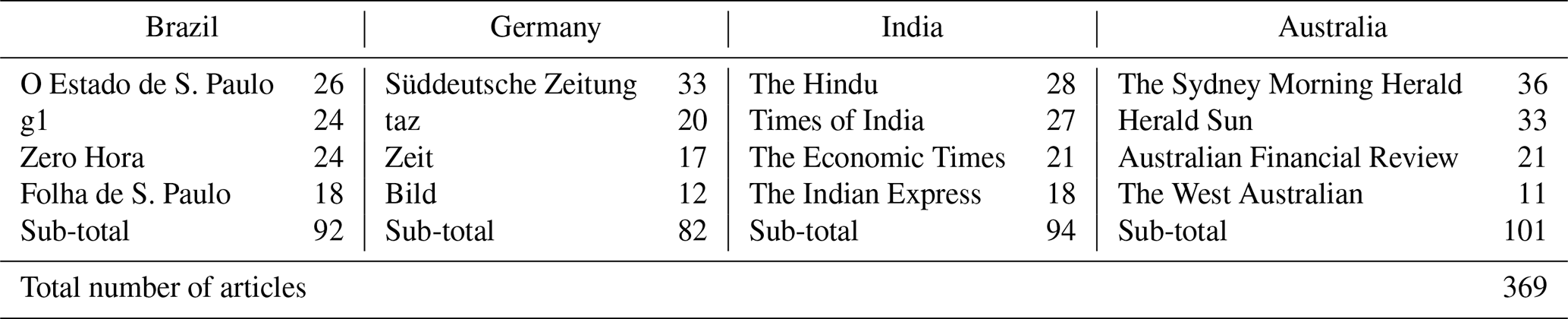
The corpora for each case are of comparable size. The articles were checked for their relevance to the research question, and those with a thematic link to CellAg were included. Duplicates were removed; this resulted in some cases in newspapers having considerably fewer items due to them publishing copies of other articles. The full texts were retrieved for the resulting final list of articles from those four newspapers for each case which yielded the most articles from the search (Table 1).
Table 1Selected newspapers per country and corresponding number of articles retrieved.
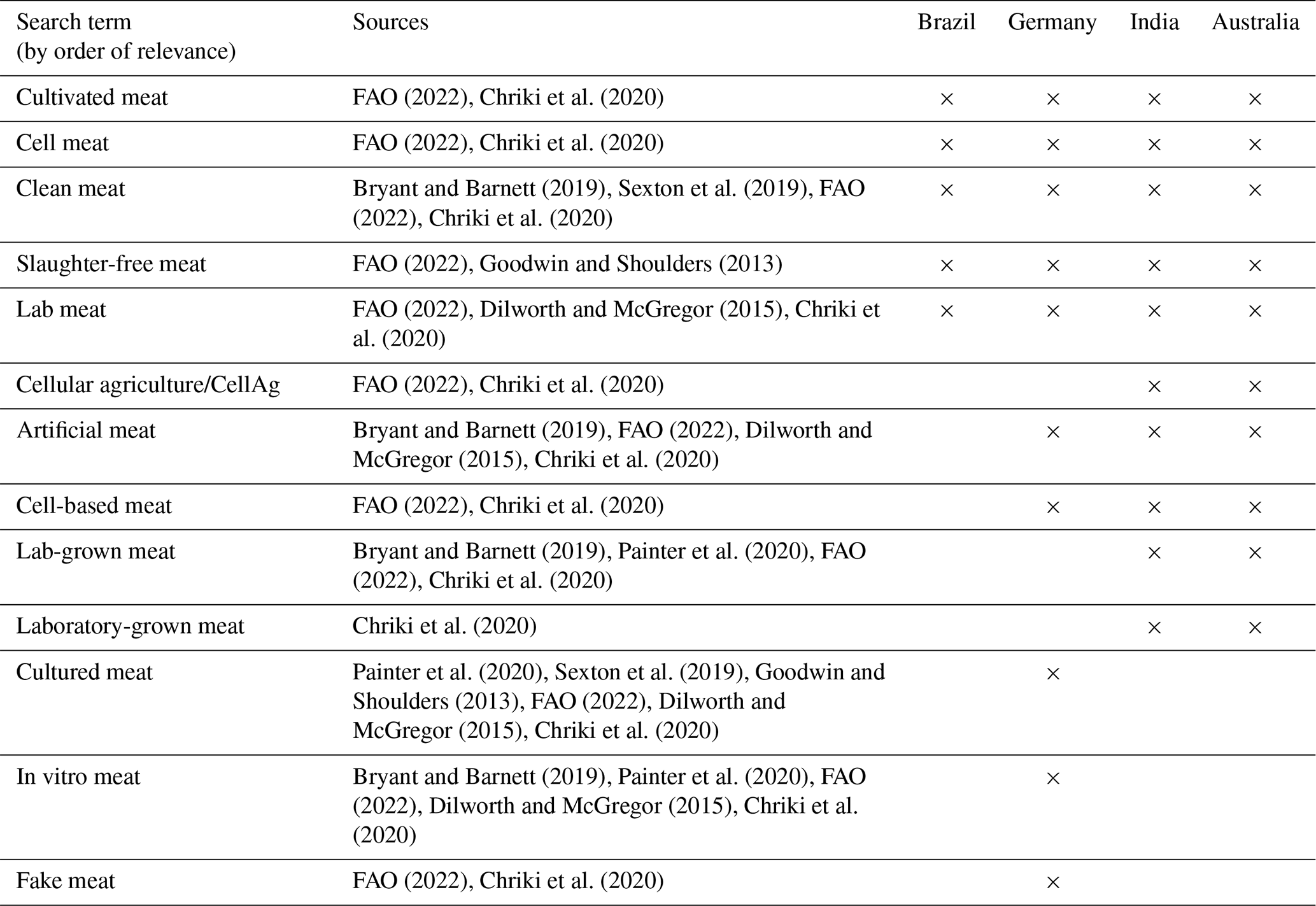
Based on reports from the Good Food Institute (Bryant and Krelling, 2021) and on a review of the previously published literature on CellAg coverage (e.g., Hopkins, 2015; Bryant and Barnett, 2019; Painter et al., 2020; Sexton et al., 2019; Goodwin and Shoulders, 2013; FAO, 2022), a list of keywords was devised for each case. The terms remained largely the same throughout all cases, yet the list was complemented by case-specific terms that were found to be additionally salient (Table 2)1.
3.4 Collaborative coding procedure
The filtered articles were coded following the approach of qualitative content analysis (Mayring, 2015), using the software ATLAS.ti (Brazilian and German cases) or MaxQDA (Indian and Australian cases)2. The analysis was conducted using two distinct programs, as the Brazilian team had initiated the process and the German team subsequently contributed to it. The different university equipment meant that the program available at each location was used. This issue was not deemed problematic due to the compatibility of the aforementioned programs. Qualitative content analysis is a coding-based method of qualitative data structuration (Mayring and Fenzl, 2019), specifically aimed at handling large qualitative corpora and allowing quantitative descriptions of the coded data.
The coding was done inductively for the Brazilian case study. This inductive approach yielded 76 categories, and categories appearing fewer than 10 times were excluded from the final analysis. The resulting 35 categories were aggregated into 6 overarching categories, which then formed the baseline for a semi-deductive coding for the other cases. While additional inductive categories were introduced in each case study, they were not used for comparison; instead, they serve separate analytical purposes.
As intercoder reliability plays an important role in collaborative efforts with multiple coders, in the initial phase, frequent meetings accompanied the conceptualization, data collection, and analysis. As highlighted before, the coding scheme was devised with the Brazilian case as a baseline, then branching out to other cases. This allowed case-specific inductive categories yet maintained the integrity of the common categories. Moreover, the fact that differing coding behavior between coders of the same kind of data may lead to a distortion of the results (Burla et al., 2008) was considered in the form of intercoder coaching aimed at achieving intercoder consensus. Thus, coding meetings were held during which the German and Indian data material were worked on together. In addition, cooperative coding of selected articles took place to ensure that the same codes were used for similar text passages. This procedure was supplemented by meetings in which unclear text passages were discussed for joint assignment to coding categories.
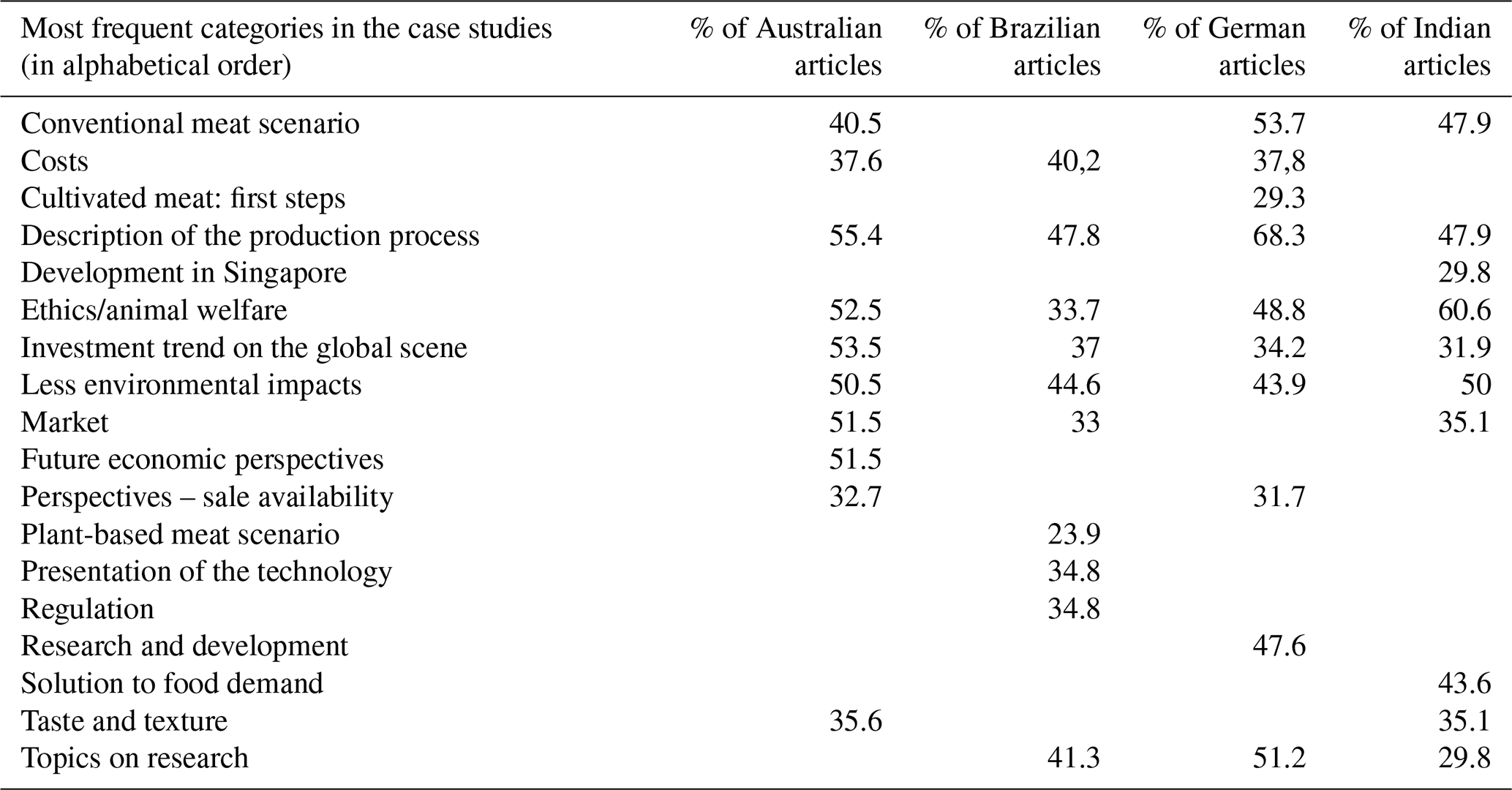
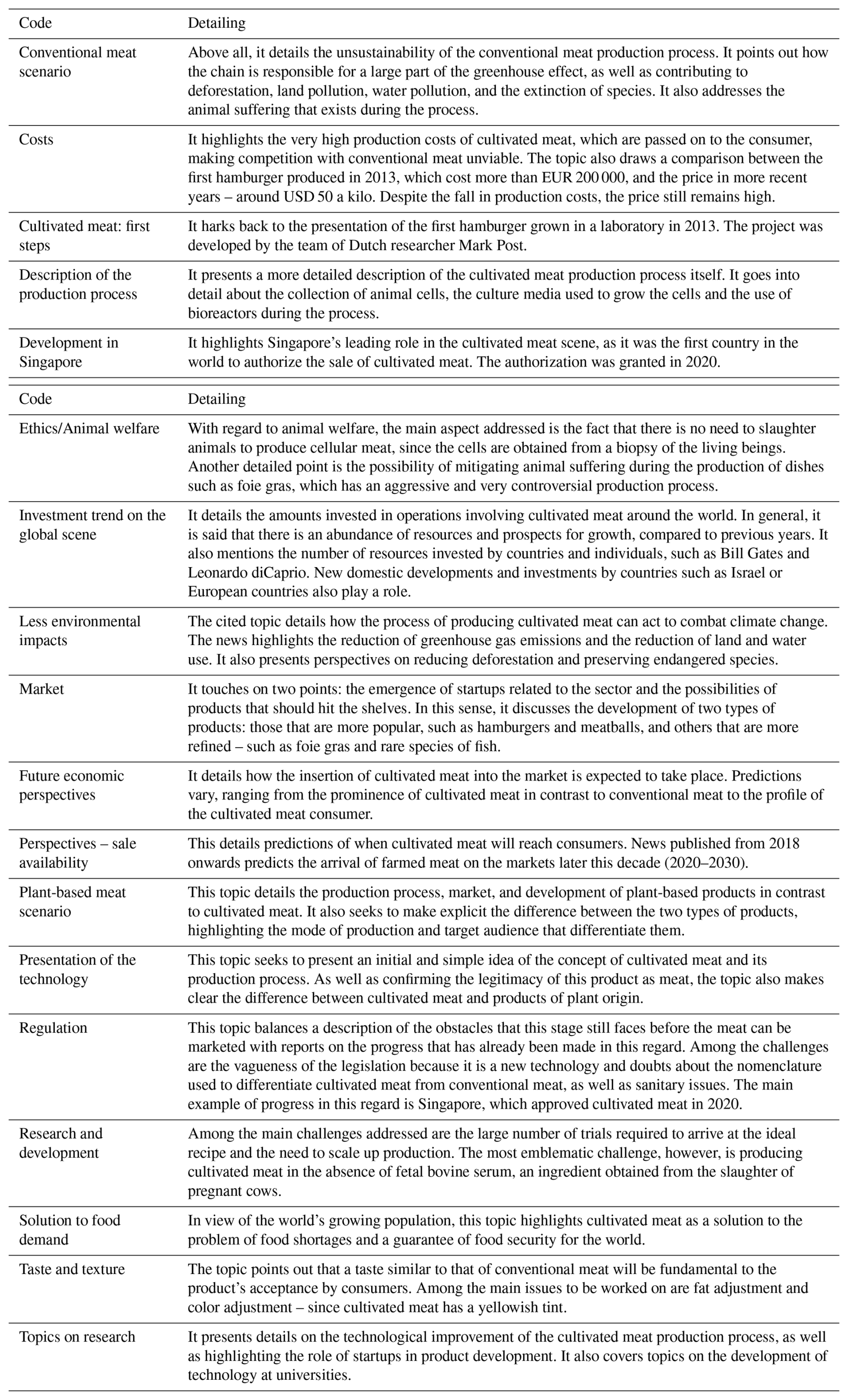
In total, more than 30 thematic categories were identified regarding how CellAg is presented as a prospective technology. We present the 10 categories with the highest percentage of coverage for each case (see Table 3).
4.1 Australia
The economic and market-oriented coverage includes the categories “Investment trend on the global scene”, “Market”, “Perspectives – Market”, and “Perspectives – sale availability”. These categories concentrate on the emergence of CellAg startups, on the potential for selling the products in retail and restaurants, and on the probable trajectory of a market launch of CM. One frequent focus is Australia's aspiring role to act as a pioneer in the CM industry:
The future of farming is being shaped in a state-of-the-art food laboratory in Alexandria in Sydney. VOW Foods is a key player in the global race to bring “cultured meat” to your dinner plate. (Herald Sun, 2021)
In addition to analyzing competitors and technological innovations, the coverage also focuses on the financing and promotion of international CM companies. In conjunction with or despite the focus on market processes, coverage is entwined with highlighting potential benefits of CM. In summary, global, market-oriented reporting with a national focus and an (albeit less pronounced) orientation towards the expected benefits can be recognized in the approach to CM used by Australian main newspapers.
The market focus in the Australian case can be traced back to the frequently postulated importance of meat consumption for the national identity of Australians (Dilworth and McGregor, 2015) and the current profits from conventional meat production (Ford et al., 2023). Additionally, the potential profits from the commercialization of CM represent a significant third factor. However, a shift towards less frequent meat consumption has been highlighted (Malek and Umberger, 2021; Khara et al., 2021). The strong market focus of the coverage is to be considered against this backdrop, given a continued low willingness to consume meat alternatives (Ford et al., 2024).
4.2 Brazil
Brazilian coverage often emphasizes financial and market aspects surrounding CM, both opportunities and challenges. Four of the top 10 categories mentioned in Brazilian newspapers allude directly or indirectly to such topics. The category “Topics on research”, which comprises text fragments illuminating the development of technology in universities, also discusses its improvement in startups and the need for funding:
Experts heard by Estadão believe that Brazil has the potential to stand up to the competition, however, it needs to expand scientific funding to accelerate innovations and research in the field. (Pio, 2021)
The category “Investment trend on the global scene” encompasses examples of funding around the world, whether obtained through fundraising campaigns or government investment. The high cost of the novel systems was the most cited challenge in the Brazilian media and highlighted as the most important obstacle to overcome to commercialize it, as “[t]he cost is still very high and the final price does not give us a chance to compete with the meat industry” (Ampudia, 2020). In addition, another challenge appears in the 10 most mentioned categories: the regulation of technology. This topic was addressed frequently in 2023 after Italy banned CM.
The category “Market” completes the quartet of categories that refer to financial opportunities. This category discusses various aspects, including the target audience for CM and the possible products that will be available for consumption.
The most frequently mentioned category was “less environmental aspects”, which highlights how CM may use less water and land than conventional meat, as well as emitting fewer greenhouse gases. The “Ethics/Animal welfare” category is only ranked eighth. This category often occurs interspersed with other categories. This is in contrast with surveys, in which Brazilians mention animal welfare as one of the most important concerns regarding conventional meat, together with environmental challenges (Valente et al., 2019; Mendes et al., 2025). This seems to be an example of a media narrative conducting public discussion in a certain direction, more specifically away from specific issues which may be considered non-strategic or damaging to the status quo of conventional production. How much this is intentional, and, if so, the potential reasons and agents behind it, remains to be studied.
The entanglement between meat consumption and identity is present in the Brazilian case, where meat has been described as a symbol of economic and social progress, important in the country's culture (Happer and Wellesley, 2019). Thus, the future of and shifts in meat production and the economic promises of CellAg are, coherently, of considerable importance for media coverage in Brazil.
4.3 Germany
Two categories seek to introduce German readers to CM: “Description of the production process” and “Cultivated meat: first steps”. Whilst the latter takes a historical look and explains CellAg's emergence, the first category seeks to explain the production process of the technology.
The three categories that deal directly with market issues (“Costs”, “Investment trend on the global scene”, “Perspectives – sale availability”) rank lowest in the top 10. However, four of the six most mentioned categories relate directly or indirectly to topics regarding sustainability. Categories such as “Ethics/Animal welfare” and “Less environmental impacts” highlight CM as a possible solution to environmental issues. The latter category specifically focuses on use of water, land, and greenhouse gas emissions, while the “Ethics/Animal welfare” category comprises arguments pointing out that CM abandoned the need for mass slaughter.
On the contrary, animal welfare was also considered a challenge to CM. Within the category “Challenges – Research and Development”, the main point discussed was the use of bovine foetal serum, obtained from the slaughter of pregnant cows, as a cell culture medium (Chelladurai et al., 2021). In addition, the considerable amount of energy necessary to operate the bioreactors and the need to scale up production are problematized. Another challenge among the most discussed categories is the high production costs of CM, which impair its popularization.
Three other categories complete the ranking. “Topics on research” mainly concerns the places where technology is being developed – at universities and startups. The category “Investment trend on the global scene” exemplifies investments made in technology around the world. The “Perspectives – sale availability” category refers to assessments of when CM will be available on market shelves, with forecasts varying according to the date of publication, as “meat from the petri dish could be ready for the market in ten to 20 years” (Beckers and Dietz, 2014) or “[m]eat produced in this way should be available in supermarkets in the next three years” (Bild, 2019).
Despite the prevalence of meat in daily diets (Koch et al., 2021), the openness of German consumers towards meat alternatives has been empirically confirmed (Rzegotta, 2023). Against this backdrop, media coverage seems to focus on an explanation of CellAg and CM production processes, perhaps because they believe that the country can assume a prominent position in the production of machines and equipment for CellAg. Additionally, issues of sustainability of meat production and ethical aspects of meat consumption have a high prevalence.
4.4 India
Indian coverage focuses primarily on the positive effects of CM and the challenges currently associated with conventional agriculture, such as the implications of reducing animal suffering and the moral challenges associated with meat production through CM, as “Lab-grown meat is a promising futuristic idea with the potential of saving billions of animals from being slaughtered” (Singh, 2019). The “Less environmental impacts” category pays particular attention to the reduction of greenhouse gases such as CO2 and methane (Pooja, 2020) and the reduction of water and land consumption compared to conventional agriculture. According to the reporting within the “Solutions to food demand” category, CM is considered to help meet the growing global demand for meat and animal protein and ensure a sustainable supply of food for the growing world population (Hiranandani, 2020).
The focus on emphasizing the potential benefits of CM seems supported by highlighting the problems caused by conventional production. The most common arguments within the “conventional meat scenario” category refer to the expected increase in climate change, natural disasters, and environmental degradation (Sudhakar, 2018) and the significantly higher land and water consumption (Balasubramanian, 2011):
… think about the environmental cost. Nearly a fourth of the land in the world is used for cattle to graze. And livestock releases almost 15 percent of all the greenhouse gases. Also, think about the water needed: a 10 kg goat would have consumed 80,000 litres of water. So, your 1 kg mutton led to 8,000 litres of water being used up. And in India, 71 percent of those aged 15 and above are non-vegetarians. That's a lot of water. (Times of India, 2018)
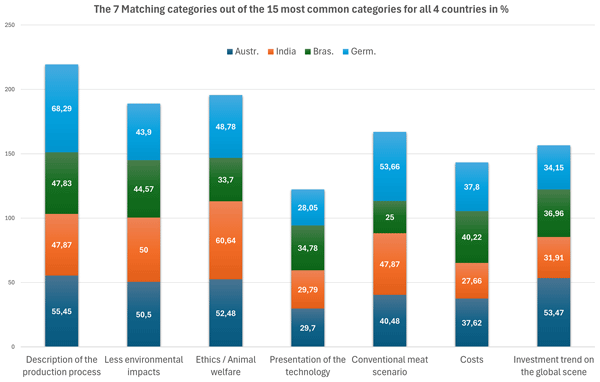
In the previous section, we presented the topics covered by the media in a country-specific manner. Our analysis now aims to present an overall picture, highlighting similarities, differences, and initial findings from a cross-country perspective. Figure 1 and Table 4 summarize the main topics discussed and the percentages for each country to aid in visualizing the aggregated data.
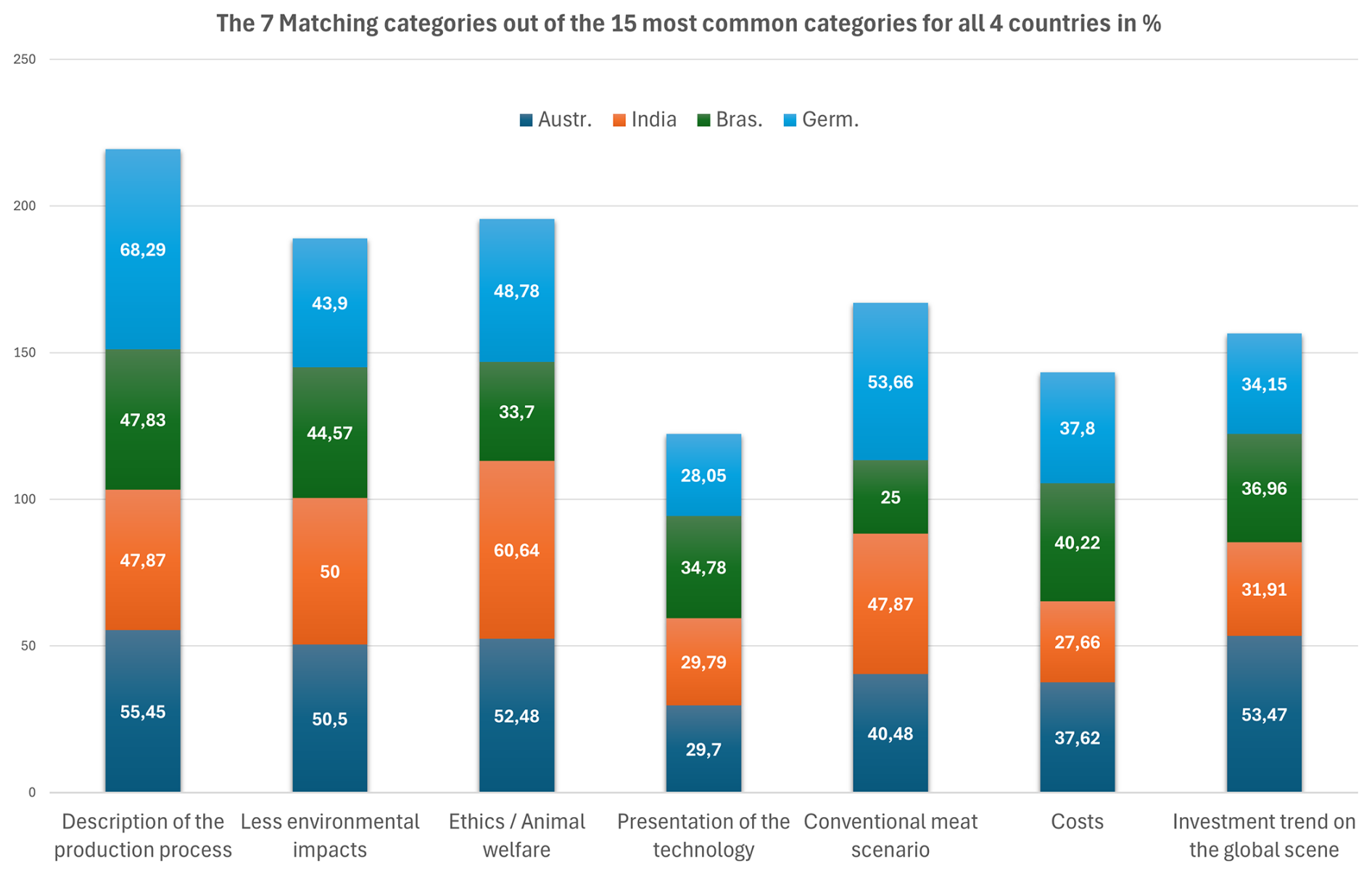
Table 4The seven matching categories most common across the four cases (in %). The percentage indicates the percentage of the total newspapers examined in which the category was coded for the respective country. A total of seven categories were examined which had the highest percentage coverage within the newspapers.
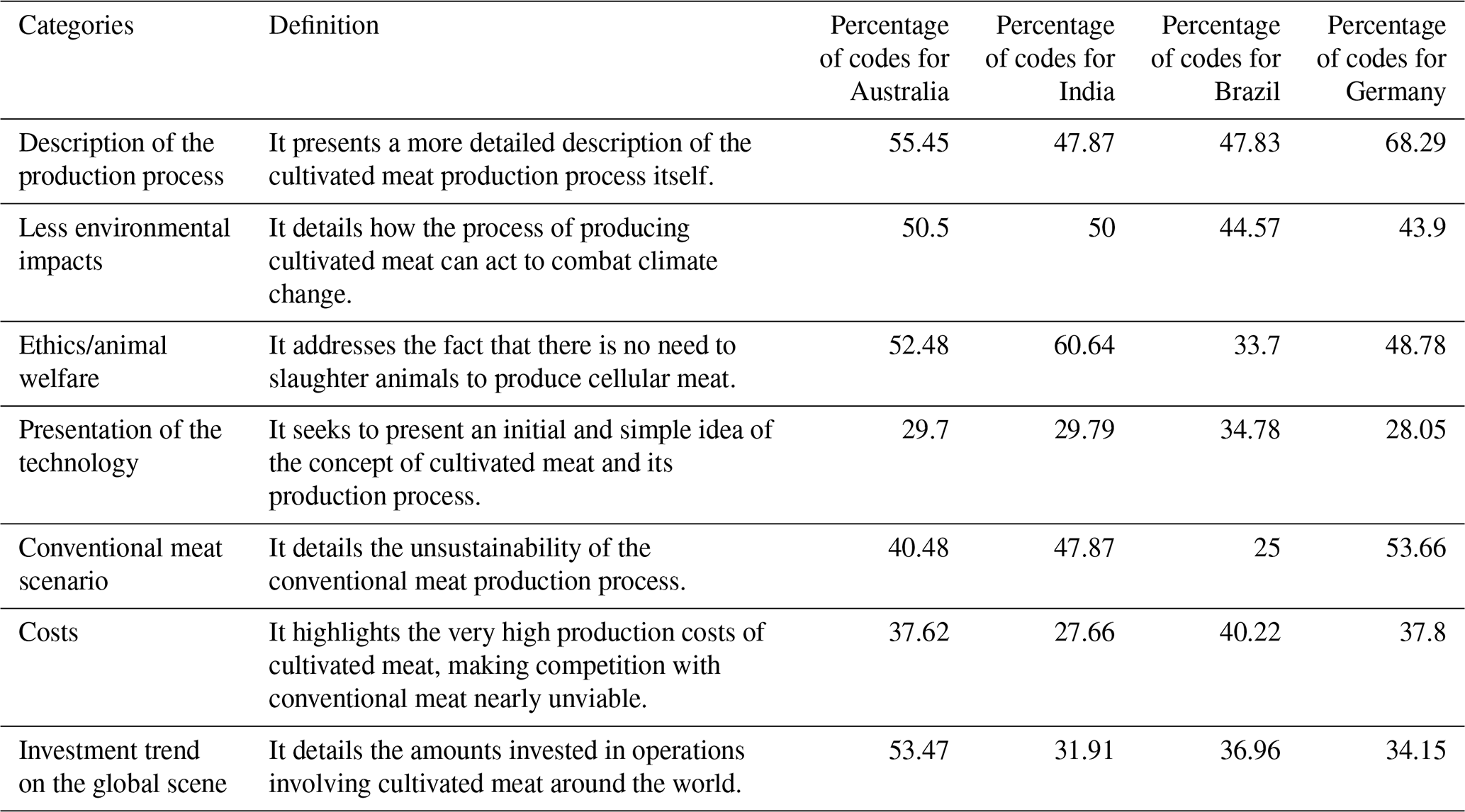
A key element emerging from the joint analysis of the four countries is the striking similarity in the main topics covered by the media in each nation. Across all contexts, discussions prominently feature technology, the market, investments, and the potential benefits of CellAg. The most approached topic for Australia, Brazil, and Germany was the “Description of production process”, and for India it was “Ethics/Animal welfare”. However, considering all the codes assigned to the news from the four countries studied, we conclude that two areas have received greater attention in the news, namely (1) market and investment and (2) research and development. This suggests that CellAg is considered a promising market opportunity worthy of financial investment, while also highlighting the necessary advancements in research and development to unlock its full potential.
Additionally, with a broad view of all codes, we may consider that most of the news has a positive tone regarding CellAg, since most of it addresses the environmental benefits for the environment and animals, as well as business opportunities. Few news outlets address the negative aspects of this food production system.
Our results also indicate that news can help reveal a country's advancement in technological and market dominance regarding CellAg. Germany and Australia appear to discuss more concrete aspects of CellAg, such as consumer perception. In contrast, Brazil and India still focus on initial barriers like regulation and socioeconomic impacts. This finding may imply that the first two countries are at a more advanced stage of development, possibly closer to commercialization and consumer acceptance. Furthermore, Germany stands out for its emphasis on research and development news and other aspects of the new production process, which may be rooted in its tradition of innovative industrial practices. Australia is characterized by its focus on market and consumption elements, potentially reflecting concerns regarding the export market, given its significant role in the global conventional meat sector. In contrast, India is notable for its prioritization of food security, a vital issue for a developing country with one of the largest populations in the world. Similarly, Brazil highlights market factors and brings to light concerns about market barriers, including regulations and production costs. These are crucial issues related to the conventional meat chain and cost challenges significant for a developing nation. Therefore, the news seems to reflect the interests and concerns of each country, indicating that the discussion remains tied to local realities and continues to address the topics traditionally debated within each nation.
Our study also highlights elements that, while important, did not emerge prominently in the analyses. There is little news coverage regarding the socioeconomic impact of CellAg on key stakeholders, such as rural producers and farm workers. Although the technological development of cell-based agriculture products is still at an early stage and has therefore not yet attracted producers and rural workers, previous research indicates a significant social impact in the future (Newton and Blaustein-Rejto, 2021; Morais-da-Silva et al., 2022a, b; Silva and Conte-Junior, 2024). Despite its relevance, the news conveyed to the general public in the countries studied does not cover this complex perspective. It is also noticeable that, although aspects like environmental benefits and animal ethics appear in the news, they are frequently presented as benefits of the new CellAg market, rather than fundamental calls to change the whole food system according to sustainability and animal ethics principles. The discussion about what is not featured in the current hot topics in media coverage is relevant, as it presents what is mostly not reported to society. Silencing may be a form of directing social debates, with major impacts in future directions and the solutions that will be sought.
Thus, the cross-country analysis indicates that the news reflects a more significant concern with market factors than with the authentic moral benefits and impacts of CellAg. This finding may relate to society's economic interests taking precedence over other motivations or to the most significant elements perceived by media groups or their sponsors regarding the topic. This conclusion emphasizes the importance of scientific research in presenting different points of interest that are seldom discussed with the public and may support public policies to guide a fair transition process. In contrast to research such as that of Kouarfaté and Durif (2023), who present CM as a solution to current environmental, animal welfare, and health issues, the messages reaching the public tend to follow the line of argumentation of authors such as Stephens et al. (2018) and Guthman and Biltekoff (2021), who point to a more market-oriented dimension of the debate.
Additionally, it seems important to highlight two points. Firstly, the national differences in media coverage do not necessarily reflect established different mindsets, despite the connection of meat consumption to identity in some cases. Instead, they seem more like temporary snapshots of how CellAg and CM are discussed as the outcome of currently engaged authors, institutions (funding contexts, companies, publishers), and recipients (and how their interests are anticipated) and which patterns of meat consumption have been socio-politically and economically sedimented. Secondly, the case studies may be further differentiated regarding regional or local levels; e.g., locally dominant employers such as meat production companies result in locally condensed different coverage and reception or the regional differences in knowledge regarding CM observed by Mendes et al. (2025).
The results of four cases representing diverse contexts from four different continents is our contribution to a growing body of literature on CellAg and CM media coverage. A major finding is the striking similarity in the main topics covered by the media in studied countries. In addition, a main proportion of newspaper articles adopting a positive and market-oriented perspective, highlighting the technology and investments needed for the advancement of the market, was observed. This deserves further studies as it reveals that societies across geographical areas are receiving mostly superficial positive news instead of perspectives with more authentic motivators, as well as analyses of all the impacts that may occur. While our approach aimed to provide a descriptive overview of national differences in newspaper coverage, further research including other media channels, e.g., videos, websites and social media – especially those that are consumed by younger generations or that are created and propagated spontaneously – is warranted.
The corresponding data contain copyrighted material and cannot be made available.
BBV and PR carried out the data collection, coding, and analysis. RLMdS, MHU, MF, and CFMM conceptualized the analysis, assessed the feasibility, supervised the empirical work, and assessed the coding scheme and the intercoder meetings. All authors contributed to the original draft.
The contact author has declared that none of the authors has any competing interests.
Publisher's note: Copernicus Publications remains neutral with regard to jurisdictional claims made in the text, published maps, institutional affiliations, or any other geographical representation in this paper. The authors bear the ultimate responsibility for providing appropriate place names. Views expressed in the text are those of the authors and do not necessarily reflect the views of the publisher.
Brenda B. Voth received a scholarship from the Federal University of Paraná (UFPR), provided through the National Treasury of Brazil.
Carla F. M. Molento and Rodrigo L. M. Silva were supported by the State of Parana and Araucaria Foundation, through the NAPI Alternative Proteins Project.
Carla F. M. Molento receives a Productivity Grant, Brazilian National Research Council-CNPq.
The Brazilian team was partly financed in part by the Coordenação de Aperfeiçoamento de Pessoal de Nível Superior – Brasil (CAPES) – Finance Code 001.
Preliminary research of the German team received funding from the Gerda Henkel Stiftung under the project name “Protein Matters. Securitizing Zoonoses in the EU and the US” (grant no. AZ 06/KF/21).
This paper was edited by Alexander Vorbrugg and reviewed by two anonymous referees.
Adi, P., Mulyani, R., Yudhistira, B., Chang, C. K., Gavahian, M., and Hsieh C. W.: Designing cultivated meat: Overcoming challenges in the production process and developing sustainable packaging solutions, Trends in Food Science & Technology, 152, 104675, https://doi.org/10.1016/j.tifs.2024.104675, 2024.
Ampudia, R.: Carne de laboratório tenta ganhar escala para chegar ao supermercado, Folha de S. Paulo, https://www1.folha.uol.com.br/tec/2020/01/carne-de-laboratorio-tenta-ganhar-escala-para-chegar-ao-supermercado.shtml (last access: 11 May 2023), 6 January 2020.
Arora, R. S., Brent, D. A., and Jaenicke, E. C.: Is India Ready for Alt-Meat? Preferences and Willingness to Pay for Meat Alternatives, Sustainability, 12, 4377, https://doi.org/10.3390/su12114377, 2020.
Balasubramanian, D.: Vegans, vegetarians, and “invitrotarians”. Researchers are applying cell and tissue engineering to grow edible meat in the laboratory, or in vitro, The Hindu, https://www.thehindu.com/sci-tech/Vegans-vegetarians-and-lsquoinvitrotarians/article15456954.ece (last access: 11 May 2023), 24 February 2011.
Baum, C. M., Bröring, S., and Lagerkvist, C. J.: Information, attitudes, and consumer evaluations of cultivated meat, Food Quality Preference, 92, 1–14, https://doi.org/10.1016/j.foodqual.2021.104226, 2021.
Baum, C. M., Verbeke, W., and De Steur, H.: Turning your weakness into my strength: How counter-messaging on conventional meat influences acceptance of cultured meat, Food Qual. Prefer., 2, 104485, https://doi.org/10.1016/j.foodqual.2021.104485, 2022.
Beckers, M. and Dietz, C.: So essen wir in Zukunft, Süddeutsche Zeitung, https://www.sueddeutsche.de/wissen/forschung-zur-ernaehrung-weniger-tier-mehr-technik-1.1898724 (last access: 13 March 2024), 10 March 2014.
Bidoglio, G. A., Schwarzmueller, F., and Kastner, T.: A global multi-indicator assessment of the environmental impact of livestock products, Global Environmental Change, 87, 102853, https://doi.org/10.1016/j.gloenvcha.2024.102853, 2024.
Bild: Was steckt hinter dem Fleisch der Zukunft?, Bild, https://www.bild.de/ratgeber/verbrauchertipps/verbrauchertipps/ fleischlose-alternativen-bill-gates-investiert-in-fleisch-der-zukunft-59681198.bild.html (last access: 4 March 2024), 22 January 2019.
BLE: Consumption of meat per capita falls below 52 kilograms, https://www.ble.de/SharedDocs/Meldungen/EN/2024/240510_Meat-Consumption.html (last access: 2 August 2024), 2023.
Bogueva, D. and Marinova, D.: Cultured Meat and Australia's Generation Z, Frontiers in Nutrition, 7, 148, https://doi.org/10.3389/fnut.2020.00148, 2020.
Broad, G. M.: Understanding the (Fake) Meat Debates: The Alternative Protein Ideological Circle, Nutr. Today, 58, 181, https://doi.org/10.1097/NT.0000000000000617, 2023.
Bruckert, M.: Chicken Politics, Gastronomica, 21, 33–46, https://doi.org/10.1525/gfc.2021.21.2.33, 2021.
Bryant, C. and Barnett, J.: Consumer acceptance of cultured meat: A systematic review, Meat Science, 143, 8–17, https://doi.org/10.1016/j.meatsci.2018.04.008, 2018.
Bryant, C. J. and Barnett, J. C.: What's in a name? Consumer perceptions of in vitro meat under different names, Appetite, 137, 104–113, https://doi.org/10.1016/j.appet.2019.02.021, 2019.
Bryant, C. and Krelling, F.: Proteínas Alternativas no Brasil: um Estudo de Nomenclatura sobre Carnes Vegetais e Carnes Cultivadas, https://gfi.org.br/wp-content/uploads/2021/02/Estudo-de-nomenclatura.pdf (last access: 7 August 2024), 2021.
Bryant, C. J. and van der Weele, C.: The farmers' dilemma: Meat, means, and morality, Appetite, 167, 105605, https://doi.org/10.1016/j.appet.2021.105605, 2021.
Bryant, C., Szejda, K., Parekh, N., Deshpande, V., and Tse, B.: A Survey of Consumer Perceptions of Plant-Based and Clean Meat in the USA, India, and 135 China, Frontiers in Sustainable Food Systems, 3, 11, https://doi.org/10.3389/fsufs.2019.00011, 2019.
Burla, L., Knierim, B., Barth, J., Liewald, K., Duetz, M., and Abel, T.: From Text to Codings: Intercoder Reliability Assessment in Qualitative Content Analysis, Nursing Research, 57, 113–117, https://doi.org/10.1097/01.NNR.0000313482.33917.7d, 2008.
Carolan, M.: Sustainable Protein Transitions or Transformations: Contested Agrifood Frames Across “No Cow” and “Clean Cow” Futures, Sustainability, 17, 6, https://doi.org/10.3390/su17062637, 2025.
Chelladurai, K. S., Christyraj, J. D. S., Rajagopalan, K., Yesudhason, B. V., Venkatachalam, S., Mohan, M., Vasantha, N. C., and Christyraj, J. R. S. S.: Alternative to FBS in animal cell culture: An overview and future perspective, Heliyon, 7, e07686, https://doi.org/10.1016/j.heliyon.2021.e07686, 2021.
Chen, Z., Jin, J., and Li, M.: Does media coverage influence firm green innovation? The moderating role of regional environment, Technology in Society, 70, 102006, https://doi.org/10.1016/j.techsoc.2022.102006, 2022.
Chriki, S., Ellies-Oury, M., Fournier, D., Liu, J., and Hocquette, J.: Analysis of Scientific and Press Articles Related to Cultured Meat for a Better Understanding of Its Perception, Frontiers in Psychology, 11, https://doi.org/10.3389/fpsyg.2020.01845, 2020.
Chriki, S., Ellies-Oury, M.-P., and Hocquette, J.-F.: Is “cultured meat” a viable alternative to slaughtering animals and a good comprise between animal welfare and human expectations?, Animal Frontiers, 12, 35–42, https://doi.org/10.1093/af/vfac002, 2022.
Chriki, S., Alhujaili, A., Hallman, W. K., Payet, V., Ellies-Oury, M. P., and Hocquette, J. F.: Attitudes toward artificial meat in Arab countries, Journal of Food Science, 89, 9711–9731, https://doi.org/10.1111/1750-3841.17559, 2024.
Companhia Nacional de Abastecimento: Perspectivas para a agropecuária, Brasília, v.12 – safra 2024/25, 1–144, http://www.conab.gov.br (last access: 23 July 2025), 2024.
Curtis, K. R., McCluskey, J. J., and Swinnen, J. F.: Differences in global risk perceptions of biotechnology and the political economy of the media, International Journal of Global Environmental Issues, 8, 77–89, https//doi.org/10.1504/IJGENVI.2008.017261, 2008.
Dilworth, T. and McGregor, A.: Moral Steaks? Ethical Discourses of In Vitro Meat in Academia and Australia, Journal of Agricultural and Environmental Ethics, 28, 85–107, https://doi.org/10.1007/s10806-014-9522-y, 2015.
Faccio, E. and Guiotto Nai Fovino, L.: Food neophobia or distrust of novelties? Exploring consumers' attitudes toward GMOs, insects and cultured meat, Applied Sciences, 9, 4440, https://doi.org/10.3390/app9204440, 2019.
FAO (Food and Agriculture Organization of the United Nations): Food safety aspects of cell-based food, FAO, https://doi.org/10.4060/cc2241en, 2022.
FAO (Food and Agriculture Organization of the United Nations): Meat market review, FAO, https://openknowledge.fao.org/server/api/core/bitstreams/ae4eb1ec-613d-478c-8361-c9bdba1df559/content (last access: 9 April 2024), 2023.
Fasanelli, R., Casella, E., Foglia, S., Coppola, S., Luongo, A., Amalfi, G., and Piscitelli, A.: Is Cultured Meat a Case of Food or Technological Neophobia? On the Usefulness of Studying Social Representations of Novel Foods, Appl. Sci., 15, 5, https://doi.org/10.3390/app15052795, 2025.
Ford, H., Zhang, Y., Gould, J., Danner, L., Bastian, S. E. P., Ford, R., and Yang, Q.: Applying regression tree analysis to explore willingness to reduce meat and adopt protein alternatives among Australia, China and the UK, Food Quality and Preference, 112, 105034, https://doi.org/10.1016/j.foodqual.2023.105034, 2023.
Ford, H., Zhang, Y., Gould, J., Danner, L., Bastian, S. E. P., and Yang, Q.: Comparing motivations and barriers to reduce meat and adopt protein alternatives amongst meat-eaters in Australia, China and the UK, Food Quality and Preference, 118, 105208, https://doi.org/10.1016/j.foodqual.2024.105208, 2024.
Fidder, L. and Graça, J.: Aligning cultivated meat with conventional meat consumption practices increases expected tastefulness, naturalness, and familiarity, Food Quality and Preference, 109, 104911, https://doi.org/10.1016/j.foodqual.2023.104911, 2023.
Gerber, P. J., Steinfeld, H., Henderson, B., Mottet, A., Opio, C., Dijkman, J., Falcucci, A., and Tempio, G.: Tackling climate change through livestock – A global assessment of emissions and mitigation opportunities, Food and Agriculture Organization of the United Nations (FAO), Rome, https://www.fao.org/4/i3437e/i3437e.pdf (last access: 23 March 2026), 2013.
Gómez-Luciano, C. A., De Aguiar, L. K., Vriesekoop, F., and Urbano, B.: Consumers' willingness to purchase three alternatives to meat proteins in the United Kingdom, Spain, Brazil and the Dominican Republic, Food Quality and Preference, 78, 103732, https://doi.org/10.1016/j.foodqual.2019.103732, 2019.
Good Food Institute: The State of Global Policy on Alternative Proteins 2023, https://gfi.org/wp-content/uploads/2024/05/State-of-Global-Policy-on-Alternative-Proteins-2023.pdf (last access: 27 November 2024), 2024.
Goodman, M., Wylie, A., Sexton, A., Lewis, K., Rose, D., MacMillan, T., and Manning, L.: Analysis of the Narrative Grammars of Cultured Meat in UK Food and Farming Media, The International Journal of Sociology of Agriculture and Food, 30, 117–138, https://doi.org/10.48416/ijsaf.v30i2.684, 2024.
Goodwin, J. N. and Shoulders, C. W.: The future of meat: a qualitative analysis of cultured meat media coverage, Meat Science, 95, 445–450, https://doi.org/10.1016/j.meatsci.2013.05.027, 2013.
Guthman, J. and Biltekoff, C.: Magical disruption? Alternative protein and the promise of de-materialization, Environment and Planning E: Nature and Space, 4, 1583–1600, https://doi.org/10.1177/2514848620963125, 2021.
Hansen, J., Sparleanu, C., Liang, Y., Büchi, J., Bansal, S., Caro, M. Á., and Staedtler, F.: Exploring cultural concepts of meat and future predictions on the timeline of cultured meat, Future Foods, 4, 100041, https://doi.org/10.1016/j.fufo.2021.100041, 2021.
Happer, C. and Wellesley, L.: Meat consumption, behaviour and the media environment: a focus group analysis across four countries, Food Sec., 11, 123–139, https://doi.org/10.1007/s12571-018-0877-1, 2019.
Heidemann, M. S., Molento, C. F. M., Reis, G. G., and Phillips, C. J. C.: Uncoupling meat from animal slaughter and its impacts on human-animal relationships, Frontiers in Psychology, 11, 1824, https://doi.org/10.3389/fpsyg.2020.01824, 2020.
Heinke, J., Lannerstad, M., Gerten, D., Havlík, P., Herrero, M., Notenbaert, A. M. O., Hoff, H., and Müller, C.: Water Use in Global Livestock Production – Opportunities and Constraints for Increasing Water Productivity, Water Resources Research, 56, e2019WR026995, https://doi.org/10.1029/2019WR026995, 2020.
Helliwell, R. and Burton, R. J. F.: The promised land? Exploring the future visions and narrative silences of cellular agriculture in news and industry media, Journal of Rural Studies, 84, 180–191, https://doi.org/10.1016/j.jrurstud.2021.04.002, 2021.
Henry, B., Charmley, E., Eckard, R., Gaughan, J. B., and Hegarty, R.: Livestock production in a changing climate: Adaptation and mitigation research in Australia, Crop and Pasture Science, 63, 191, https://doi.org/10.1071/CP11169, 2012.
Herald Sun: Australians under-30 riding the green investment wave, Herald Sun, registration required, https://www.dailytelegraph.com.au/subscribe/news/1/?sourceCode=DTWEB_WRE170_a_GGL&dest=https%3A%2F%2Fwww.dailytelegraph.com.au%2Ftechnology%2Fenvironment%2Faustralians-under30-riding-the-green-investment-wave%2Fnews-story%2Feb13e7cf1e7b5237402f0a13cea89224&memtype=anonymous&mode=premium&v21=GROUPA-Segment-1-NOSCORE (last access: 24 March 2026), 22 October 2021.
Herziger, A.: Moving beyond meat: Perceived unnaturalness and disgust across cultured foods, Journal of Environmental Psychology, 98, 102384, https://doi.org/10.1016/j.jenvp.2024.102384, 2024.
Hiranandani, A.: Restructuring our food system for a healthy world, The Hindu, https://www.thehindu.com/opinion/op-ed/restructuring-our-food-system-for-a-healthy-world/article31273787.ece (last access: 23 March 2026), 7 April 2020.
Hocquette, J.-F.: Is in vitro meat the solution for the future?, Meat Science, 120, 167–176, https://doi.org/10.1016/j.meatsci.2016.04.036, 2016.
Hocquette, J.-F., Chriki, S., Fournier, D., and Ellies-Oury, M. P.: Review: Will “cultured meat” transform our food system towards more sustainability?, Animal, 19, 101145, https://doi.org/10.1016/j.animal.2024.101145, 2024.
Hopkins, P. D.: Cultured meat in western media: The disproportionate coverage of vegetarian reactions, demographic realities, and implications for cultured meat marketing, Journal of Integrative Agriculture, 14, 264–272, https://doi.org/10.1016/S2095-3119(14)60883-2, 2015.
Jakobsen, J. and Hansen, A.: Geographies of meatification: An emerging Asian meat complex, Globalizations, 17, 93–109, https://doi.org/10.1080/14747731.2019.1614723, 2020.
Kamalapuram, S. K., Handral, H., and Choudhury, D.: Cultured Meat Prospects for a Billion!, Foods, 10, 2922, https://doi.org/10.3390/foods10122922, 2021.
Khara, T., Riedy, C., and Ruby, M. B.: The Evolution of Urban Australian Meat-Eating Practices, Frontiers in Sustainable Food Systems, 5, 624288, https://doi.org/10.3389/fsufs.2021.624288, 2021.
Koch, F., Krems, C., Heuer, T., and Claupein, E.: Attitudes, perceptions and behaviours regarding meat consumption in Germany: results of the NEMONIT study, Journal of Nutritional Science, 10, e39, https://doi.org/10.1017/jns.2021.34, 2021.
Komarek, A. M., Dunston, S., Enahoro, D., Godfray, H. C. J., Herrero, M., Mason-D'Croz, D., Rich, K. M., Scarborough, P., Springmann, M., Sulser, T. B., Wiebe, K., and Willenbockel, D.: Income, consumer preferences, and the future of livestock-derived food demand, Global Environmental Change, 70, 102343, https://doi.org/10.1016/j.gloenvcha.2021.102343, 2021.
Kouarfaté, B. B. and Durif, F.: Understanding Consumer Attitudes toward Cultured Meat: The Role of Online Media Framing, Sustainability, 15, 24, https://doi.org/10.3390/su152416879, 2023.
Kovacs, K. F., Kemper, N., Nayga Jr., R. M., Yang, W., and Blumenberg, A.: Positive and negative information effects on consumer preferences for lab grown meat, Q Open, 4, qoad030, https://doi.org/10.1093/qopen/qoad030, 2024.
Krings, V. C., Dhont, K., and Hodson, G.: Food technology neophobia as a psychological barrier to clean meat acceptance, Food Quality and Preference, 96, 104409, https://psycnet.apa.org/doi/10.1016/j.foodqual.2021.104409, 2022.
Laestadius, L. I.: Public perceptions of the ethics of in-vitro meat: Determining an appropriate course of action, Journal of Agricultural and Environmental Ethics, 28, 991–1009, https://doi.org/10.1007/s10806-015-9573-8, 2015.
Laestadius, L. I. and Caldwell, M. A.: Is the future of meat palatable? Perceptions of in vitro meat as evidenced by online news comments, Public Health Nutr., 18, 2457–2467, https://doi.org/10.1017/S1368980015000622, 2015.
Leite, F. P., Septianto, F., and Pontes, N.: “Meat” the influencers: Crafting authentic endorsements that drive willingness to buy cultured meat, Appetite, 199, 107401, https://doi.org/10.1016/j.appet.2024.107401, 2024.
Liu, B., Cifuentes-Faura, J., Ding, C. J., and Liu, X.: Toward carbon neutrality: how will environmental regulatory policies affect corporate green innovation?, Economic Analysis and Policy, 80, 1006–1020, https://doi.org/10.1016/j.eap.2023.09.019, 2023.
Malek, L. and Umberger, W. J.: How flexible are flexitarians? Examining diversity in dietary patterns, motivations and future intentions, Cleaner and Responsible Consumption, 3, 100038, https://doi.org/10.1016/j.clrc.2021.100038, 2021.
Malyska, A., Bolla, R., and Twardowski, T.: The role of public opinion in shaping trajectories of agricultural biotechnology, Trends in Biotechnology, 34, 530–534, https://doi.org/10.1016/j.tibtech.2016.03.005, 2016.
Marques, M., Morais-da-Silva, R. L., Biscarra-Bellio, J. C., Ueta, M. H., and Molento, C. F. M.: Global and Regional Policies for Cultivated Meat, in: Cultivated Meat, edited by: Soccol, C. R., Molento, C. F. M., Reis, G. G., and Karp, S. G., 359–384, Springer Nature Switzerland, https://doi.org/10.1007/978-3-031-55968-6_18, 2024.
Mattick, C. S.: Cellular agriculture: The coming revolution in food production, Bulletin of the Atomic Scientists, 74, 32–35, https://doi.org/10.1080/00963402.2017.1413059, 2018.
Mayring, P.: Qualitative Inhaltsanalyse: Grundlagen und Techniken, Beltz, https://doi.org/10.1007/978-3-658-21308-4_42, 2015.
Mayring, P. and Fenzl, T.: Qualitative Inhaltsanalyse, in: Handbuch Methoden der empirischen Sozialforschung, edited by: Baur, N. and Blasius, J., 633–648, Springer Fachmedien Wiesbaden, https://doi.org/10.1007/978-3-658-21308-4_42, 2019.
McCluskey, J. J., Kalaitzandonakes, N., and Swinnen, J.: Media coverage, public perceptions, and consumer behavior: Insights from new food technologies, Annual Review of Resource Economics, 8, 467–486, https://doi.org/10.1146/annurev-resource-100913-012630, 2016.
Mendes, G., Biscarra-Bellio, J. C., Heidemann, M. S., Taconeli, C. A., and Molento C. F. M.: How much do opinions regarding cultivated meat vary within the same country? The cases of São Paulo and Salvador, Brazil, PLoS ONE, 20, e0317956, https://doi.org/10.1371/journal.pone.0317956, 2025.
Morais-da-Silva, R. L., Reis, G. G., Sanctorum, H., and Molento, C. F. M.: The social impacts of a transition from conventional to cultivated and plant-based meats: evidence from Brazil, Food Policy, 111, 102337, https://doi.org/10.1016/j.foodpol.2022.102337, 2022a.
Morais-da-Silva, R. L., Villar, E. G., Reis, G. G., Sanctorum, H., and Molento, C. F. M.: The expected impact of cultivated and plant-based meats on jobs: the views of experts from Brazil, the United States and Europe, Humanities and Social Sciences Communications, 9, 1–14, https://doi.org/10.1057/s41599-022-01316-z, 2022b.
Melios, S., Gkatzionis, K., Liu, J., Ellies-Oury, M. P., Chriki, S., and Hocquette, J. F.: Potential cultured meat consumers in Greece: Attitudes, motives, and attributes shaping perceptions, Future Foods, 11, 100538, https://doi.org/10.1016/j.fufo.2025.100538, 2025.
Morand, S.: Emerging diseases, livestock expansion and biodiversity loss are positively related at global scale, Biological Conservation, 248, 108707, https://doi.org/10.1016/j.biocon.2020.108707, 2020.
Newton, P. and Blaustein-Rejto, D.: Social and Economic Opportunities and Challenges of Plant-Based and Cultured Meat for Rural Producers in the US, Frontiers in Sustainable Food Systems, 5, https://doi.org/10.3389/fsufs.2021.624270, 2021.
Northrope, K., Howell, T., Kashima, E. S., Buttlar, B., Sproesser, G., and Ruby, M. B.: An Investigation of Meat Eating in Samples from Australia and Germany: The Role of Justifications, Perceptions, and Empathy, Animals: an open access journal from MDPI, 14, 211, https://doi.org/10.3390/ani14020211, 2024.
Painter, J., Brennen, J. S., and Kristiansen, S.: The coverage of cultured meat in the US and UK traditional media, 2013–2019: drivers, sources, and competing narratives, Climatic Change, 162, 2379–2396, https://doi.org/10.1007/s10584-020-02813-3, 2020.
Pio, J.: Demanda por alimento e sustentabilidade puxam setor de carne cultivada, O Estado de S. Paulo, https://pme.estadao.com.br/noticias/geral,demanda-por-alimento-e-sustentabilidade-puxam-setor-de-carne-cultivada,70003801682 (last access: 23 March 2026), 8 August 2021.
Pooja, P.: Lab-grown meat: Cleared in Singapore, an emerging alternative worldwide, The Indian Express, https://indianexpress.com/article/explained/lab-grown-meat-cleared-in-singapore-emerging-alternative-worldwide-7092214/ (last access: 23 March 2026), 10 December 2020.
Porto, L. M. and Berti, F. V.: Cultivated meat: prospects and opportunities for Brazil, São Paulo: Tiki Books: The Good Food Institute Brasil Team, https://doi.org/10.22491/cultivated_meat, 2022.
Post, M. J.: Cultured meat from stem cells: Challenges and prospects, Meat Science, 92, 297–301, https://doi.org/10.1016/j.meatsci.2012.04.008, 2012.
Reis, G. G., Heidemann, M. S., Borini, F. M., and Molento, C. F. M.: Livestock value chain in transition: Cultivated (cell-based) meat and the need for breakthrough capabilities, Technology in Society, 62, 101286, https://doi.org/10.1016/j.techsoc.2020.101286, 2020.
Rzegotta, I.: Alternative Proteine in Deutschland, https://gfieurope.org/wp-content/uploads/2023/05/GFI-Europe-Alternative-Proteine-in-Deutschland-Full-Report.pdf (last access: 16 August 2024), 2023.
Sexton, A.: Alternative Proteins and the (Non)Stuff of “Meat”, Gastronomica, 16, 66–78, https://doi.org/10.1525/gfc.2016.16.3.66, 2016.
Sexton, A. E., Garnett, T., and Lorimer, J.: Framing the future of food: The contested promises of alternative proteins, Environment And Planning E Nature And Space, 2, 47–72, https://doi.org/10.1177/2514848619827009, 2019.
Siddiqui, S. A., Khan, S., Ullah Farooqi, M. Q., Singh, P., Fernando, I., and Nagdalian, A.: Consumer behavior towards cultured meat: A review since 2014, Appetite, 179, 106314, https://doi.org/10.1016/j.appet.2022.106314, 2022.
Silva, B. D. and Conte-Junior, C. A.: Perspectives on cultured meat in countries with economies dependent on animal production: a review of potential challenges and opportunities, Trends in Food Science & Technology, 104551, https://doi.org/10.1016/j.tifs.2024.104551, 2024.
Singh, V.: Mumbai lab to harvest meat that even PETA activists will love, Times of India, https://timesofindia.indiatimes.com/city/mumbai/mumbai-lab-to-harvest-meat-that-even-peta-activists-will-love/articleshow/68055939.cms (last access: 23 March 2026), 21 February 2019.
Sinke, P., Swartz, E., Sanctorum, H., van der Giesen, C., and Odegard, I.: Ex-ante life cycle assessment of commercial-scale cultivated meat production in 2030, The International Journal of Life Cycle Assessment, 28, 234–254, https://doi.org/10.1007/s11367-022-02128-8, 2023.
Stephens, N., Di Silvio, L., Dunsford, I., Ellis, M., Glencross, A., and Sexton, A.: Bringing cultured meat to market: Technical, socio-political, and regulatory challenges in cellular agriculture, Trends in Food Science & Technology, 78, 155–166, https://doi.org/10.1016/j.tifs.2018.04.010, 2018.
Sudhakar, U.: Cattle dividing Hindus, Muslims; eat lab-grown meat, says Maneka, Times of India, https://timesofindia.indiatimes.com/india/cattle-dividing-hindus-muslims-eat-lab-grown-meat-says-maneka/articleshow/65537091.cms (last access: 23 March 2026), 25 August 2018.
Tarazona, A. M., Ceballos, M. C., and Broom, D. M.: Human relationships with domestic and other animals: One health, one welfare, one biology, Animals, 10, 43, https://doi.org/10.3390/ani10010043, 2020.
Tavan, M., Smith, N. W., McNabb, W. C., and Wood, P.: Reassessing the sustainability promise of cultured meat: a critical review with new data perspectives, Critical Reviews in Food Science and Nutrition, 1–9, https://doi.org/10.1080/10408398.2025.2461262, 2025.
Times of India: Maneka wants animal meat out. Is lab meat the future?, Times of India, https://timesofindia.indiatimes.com/india/maneka-gandhi-wants-animal-meat-out-is-lab-meat-the-future/articleshow/65586108.cms (last access: 23 March 2026), 29 August 2018.
Tucker, C. A.: The significance of sensory appeal for reduced meat consumption, Appetite, 81, 168–179, https://doi.org/10.1016/j.appet.2014.06.022, 2014.
UNData: UNData App, https://data.un.org/en/iso/in.html (last access: 2 July 2025), 2025.
USDA (United States Department of Agriculture): Chicken Meat https://www.fas.usda.gov/data/production/commodity/0115000 (last access: 10 September 2024), 2024a.
USDA (United States Department of Agriculture): Beef, https://www.fas.usda.gov/data/production/commodity/0111000 (last access: 10 September 2024), 2024b.
Valente, J. d. P. S., Fiedler, R. A., Sucha Heidemann, M., and Molento, C. F. M.: First glimpse on attitudes of highly educated consumers towards cell-based meat and related issues in Brazil, PLoS ONE, 14, e0221129, https://doi.org/10.1371/journal.pone.0221129, 2019.
Warner, R. D., Bittner, E. P., and Ashman, H.: What is meat in Australia?, Animal Frontiers, 7, 48–52, https://doi.org/10.2527/af.2017.0443, 2017.
Weis, T.: Meatification and the madness of the doubling narrative, Can. Food Stud., 2, 296–303 https://doi.org/10.15353/cfs-rcea.v2i2.105, 2015.
Wilks, M. and Phillips, C. J.: Attitudes to in vitro meat: A survey of potential consumers in the United States, PloS one, 12, e0171904, https://doi.org/10.1371/journal.pone.0171904, 2017.
Wong, L., Selvanathan, E. A., and Selvanathan, S.: Modelling the meat consumption patterns in Australia, Economic Modelling, 49, 1–10, https://doi.org/10.1016/j.econmod.2015.03.002, 2015.
Ye, Y., Zhou, J., Guan, X., and Sun, X.: Commercialization of cultured meat products: Current status, challenges, and strategic prospects, Future Foods, 6, 100177, https://doi.org/10.1016/j.fufo.2022.100177, 2022.